
Patrick Romano
Flying since the age of 14, and an instructor by age 18, Patrick Romano has packed over 8,000 hours of experience into his career, having commercial certificates and ratings in nearly everything save for light-than-air. As a backcountry flying instructor in the Boulder, Colorado area, he manages about 400 hours per year in his Maule M7 and a variety of other bush planes.
Website URL: http://backcountryaviation.com
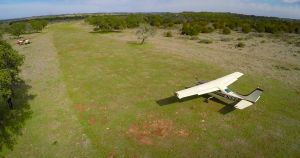
In the 5th installment of STOL Tips-- a series on operating aircraft in as short a distance for takeoff and landing as possible-- we're going to look at the special considerations for operating tricycle-gear aircraft in the off-airport environment.
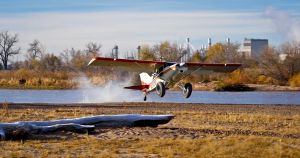
In the 4th installment of STOL Tips-- a series on operating aircraft in as short a distance for takeoff and landing as possible-- we're talking about go-arounds and balked landings, a useful technique for safely aborting a landing or evaluating a landing zone, but also an action that can often increase the workload on the pilot.
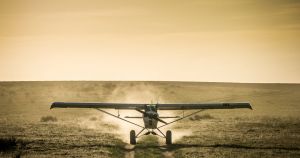
The third installment of STOL Tips -- a series on operating aircraft in as short a distance for takeoff and landing as possible -- covers landing technique. "Greasing it on" is often a luxury of long runways, but when short with no go-around is the objective, minimum speed and maximum control is in order.
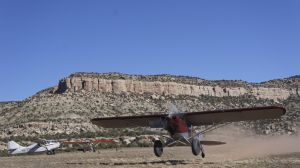
The second installment of STOL Tips -- a series on operating aircraft in as short a distance for takeoff and landing as possible -- will cover takeoff technique: An often overlooked but critical skill for backcountry performance and safety.
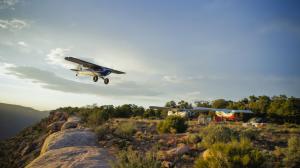
This first installment of STOL Tips -- a series on operating aircraft in as short a distance for takeoff and landing as possible-- will cover final approach, and show how proper use of attitude flying can produce a stable landing with very little excess energy that could otherwise extend landing and rollout distance.
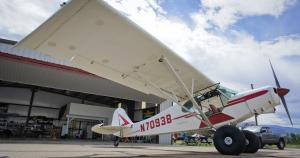
The Piper PA-18 has long been the standard for light STOL performance, but the new age of lightweight 180hp Cubs like the CubCrafters Carbon Cub are escalating performance expectations. Patrick Romano wanted to find out how much performance could be squeezed out of a stock 150hp Super Cub without dropping money on an engine upgrade.