I only fly a 172 and I'm a pretty low-hour pilot. One criticism of the 172 is that is apparently doesn't develop habits and skills required for anything more-complicated. Fuel management is certainly an easy example of this.
I want to start doing things that aren't strictly part of flying a 172 but just to engrain the habits for future use:
Ideas I've got so far:
Switching fuel tanks in flight instead of leaving it on both
GUMPS
Religious use of checklists
Thoughts?
Developing "big airplane" skills
Sat Feb 05, 2022 3:32 pm
Sat Feb 05, 2022 4:49 pm
Re: Developing "big airplane" skills
Lol, it’s funny how people always want what they don’t have. Little boat guys want a 40’ sportfisher, the guy in that wants to downsize to something fun that he can handle himself in shallow water. Flat girls want store bought, “blessed” girls want a reduction, etc. I’ve spent most of my career at FL something or other and the average flight time is 12hrs. and of course dragging my 182 out of the hangar at my somewhat deserted uncontrolled home field is way better. People ask me “don’t you want a twin, a retract at least?” hell no, gear down and welded, fuel on both, window open, perfect.
But back to your question for what it’s worth in the world of “heavy iron” here is the short list of what we do that separates the professionals from the $100 hamburger run.
1. Checklists, ours are challenge and response but you were right, make yourself always use it, it will make bigger planes easier, the Apollo moon mission guys called their checklist the “fourth crewman.”
If you curious we do a before start, after start, before takeoff, after takeoff, decent, before landing, after landing, shutdown. It doesn’t have to huge either, our after takeoff for example is gears up, flaps up, and cabin is pressurizing and it’s done silently, guy flying calls “flaps up, after takeoff checklist” and once the other guy checks those 3 things he says “after takeoff checklist complete.”
2. We brief everything. For departure this is taxi route, the SID, a route check, and most importantly the plan if it all goes to hell in a hand basket whether before rotation or after, for yourself if your going cross country, verify your routing if your plane has some kind of enroute fms, if not then on a chart. where would you go along the route if there is a problem, have you checked destination notams, I once flew to my favorite hamburger spot to find out they started repaving the runway that day, humbling. And most important what minimum altitude do you need to see on your altimeter to safely preform a turn back, (this has killed a LOT of pilots over the years) if below that alt. what’s the plan? There are many places we go that when we are 2nd or so in line for departure we will say out loud. “ok, if all else fails, regardless of the problem we will turn LEFT away from the ridge line” it might be night, IFR, whatever, but we’re aware of the specific threats and make sure everyone in the cockpit thoroughly understands the plan. we never roll down a runway without being cocked for a problem, you shouldn’t either.
3. We have a very defined line of what we can and can’t do and don’t break it. We’re professionals meaning we get paid and don’t succumb to “get homeitis” everyone behind the door has a meeting to go to, soccer game to see, a birth of a grand daughter, etc, etc. but why were safe is because we are paid to be just that. The mins on the approach are the mins on the GD approach, if we are truly tired send somebody else, fuels looking tight, land before it’s a full blown emergency, if the planes broke it gets fixed, period.
4. We train, incessantly. that means systems review, weather, flying, even in your Cessna, what to do if alternator light is on, flaps will not go down, do you have an idea of power and pitch would give you a good approach speed if your pitot boom clogged, if you have ever thought of something that’s nagging you in the back of your brain that starts with “what if” then go practice with an instructor and practice it before it actually happens.
Anyhow, hope this helps, your getting more out of that 172 than you know, easily tossed around, a low power to weight ratio, even strong gusty conditions on ground require attention, there is plenty to learn from it that a “big plane” will not teach you.
But back to your question for what it’s worth in the world of “heavy iron” here is the short list of what we do that separates the professionals from the $100 hamburger run.
1. Checklists, ours are challenge and response but you were right, make yourself always use it, it will make bigger planes easier, the Apollo moon mission guys called their checklist the “fourth crewman.”
If you curious we do a before start, after start, before takeoff, after takeoff, decent, before landing, after landing, shutdown. It doesn’t have to huge either, our after takeoff for example is gears up, flaps up, and cabin is pressurizing and it’s done silently, guy flying calls “flaps up, after takeoff checklist” and once the other guy checks those 3 things he says “after takeoff checklist complete.”
2. We brief everything. For departure this is taxi route, the SID, a route check, and most importantly the plan if it all goes to hell in a hand basket whether before rotation or after, for yourself if your going cross country, verify your routing if your plane has some kind of enroute fms, if not then on a chart. where would you go along the route if there is a problem, have you checked destination notams, I once flew to my favorite hamburger spot to find out they started repaving the runway that day, humbling. And most important what minimum altitude do you need to see on your altimeter to safely preform a turn back, (this has killed a LOT of pilots over the years) if below that alt. what’s the plan? There are many places we go that when we are 2nd or so in line for departure we will say out loud. “ok, if all else fails, regardless of the problem we will turn LEFT away from the ridge line” it might be night, IFR, whatever, but we’re aware of the specific threats and make sure everyone in the cockpit thoroughly understands the plan. we never roll down a runway without being cocked for a problem, you shouldn’t either.
3. We have a very defined line of what we can and can’t do and don’t break it. We’re professionals meaning we get paid and don’t succumb to “get homeitis” everyone behind the door has a meeting to go to, soccer game to see, a birth of a grand daughter, etc, etc. but why were safe is because we are paid to be just that. The mins on the approach are the mins on the GD approach, if we are truly tired send somebody else, fuels looking tight, land before it’s a full blown emergency, if the planes broke it gets fixed, period.
4. We train, incessantly. that means systems review, weather, flying, even in your Cessna, what to do if alternator light is on, flaps will not go down, do you have an idea of power and pitch would give you a good approach speed if your pitot boom clogged, if you have ever thought of something that’s nagging you in the back of your brain that starts with “what if” then go practice with an instructor and practice it before it actually happens.
Anyhow, hope this helps, your getting more out of that 172 than you know, easily tossed around, a low power to weight ratio, even strong gusty conditions on ground require attention, there is plenty to learn from it that a “big plane” will not teach you.

Sat Feb 05, 2022 5:39 pm
Re: Developing "big airplane" skills
Develop a “flow”
Make sure it covers everything on the checklist.
Arrange check list to match flow
Use flow, just use checklist to check you didn’t miss anything on your flow.
That’s one of the things I think would help most people I meet
https://ti.arc.nasa.gov/m/profile/adega ... klists.pdf
Make sure it covers everything on the checklist.
Arrange check list to match flow
Use flow, just use checklist to check you didn’t miss anything on your flow.
That’s one of the things I think would help most people I meet
https://ti.arc.nasa.gov/m/profile/adega ... klists.pdf
- NineThreeKilo offline
- Retired
- Posts: 1679
- Joined: Thu Dec 31, 2009 8:16 pm
- Location: _
Sat Feb 05, 2022 6:19 pm
Re: Developing "big airplane" skills
Modern Flight simulators are good for developing said skills.
- Scolopax offline

- Posts: 1696
- Joined: Tue Sep 27, 2005 5:02 pm
- Location: Nottingham
- FindMeSpot URL: http://share.findmespot.com/shared/face ... 4aYqSexnZC
Sat Feb 05, 2022 7:23 pm
Re: Developing "big airplane" skills
Montoga just offered a piece I couldn’t possibly compete with, that was brilliant. I also fly for a living in complicated things, and some fairly high risk jobs (slinging humans for rescue flying by helicopter etc).
Procedure, checklists, briefings while viewed in GA as a sign of inexperience are viewed quite differently as the complexity of the job and aircraft increases. Yea there are plenty of jobs and aircraft I use flow with too, but the message is they’re never a bad idea. The difference between the recreational and the vocational in a nutshell, is practice and procedure. No matter how complicated the aircraft or job, it boils down to realizing we are simple and limited beings that need trained responses and diligent use of procedures. Fortunately Cessnas are simple planes for us simple creatures, wonderfully so.
The 172’s only real limitation is it will let you get away with so much, and round off those procedures. That forgivingness is why it’s GA’s most common trainer. I recently gave Zane an article on mountain flying and the gist is, get back to sharp and accurate procedural flying. Make calls early, have a plan before you get to that point, and follow it through.
And then buy a taildragger or floats once you’re feeling really confident and get humbled for awhile.
Procedure, checklists, briefings while viewed in GA as a sign of inexperience are viewed quite differently as the complexity of the job and aircraft increases. Yea there are plenty of jobs and aircraft I use flow with too, but the message is they’re never a bad idea. The difference between the recreational and the vocational in a nutshell, is practice and procedure. No matter how complicated the aircraft or job, it boils down to realizing we are simple and limited beings that need trained responses and diligent use of procedures. Fortunately Cessnas are simple planes for us simple creatures, wonderfully so.
The 172’s only real limitation is it will let you get away with so much, and round off those procedures. That forgivingness is why it’s GA’s most common trainer. I recently gave Zane an article on mountain flying and the gist is, get back to sharp and accurate procedural flying. Make calls early, have a plan before you get to that point, and follow it through.
And then buy a taildragger or floats once you’re feeling really confident and get humbled for awhile.

Sun Feb 06, 2022 1:36 am
Re: Developing "big airplane" skills
After flying “big” airplanes around the world for 20 years.
I’d say don’t be in a hurry, figure out how not to make things way more difficult than they need to be (like not using both on the fuel selector), don’t land with a side load, and always try to make every flight fun. If you aren’t having fun at work or flying the little guys around you are probably in the wrong job or in the wrong hobby.
As a side note I just put a selector in my Cub with a both selection. Awesome!
I’d say don’t be in a hurry, figure out how not to make things way more difficult than they need to be (like not using both on the fuel selector), don’t land with a side load, and always try to make every flight fun. If you aren’t having fun at work or flying the little guys around you are probably in the wrong job or in the wrong hobby.
As a side note I just put a selector in my Cub with a both selection. Awesome!
Sun Feb 06, 2022 7:39 am
Re: Developing "big airplane" skills
No one is watching you bouncing around in your 172. It is up to you how well you fly the airplane. Is 100' off on your altitude acceptable? 5 kts fast? THat's up to you. Having the self discipline to push yourself every flight to be better at SOMETHING, anything about flying that airplane, will go miles towards making you better. I fly with guys all the time that don't like flying anymore. I can see how it could get monotonous and that is my technique. I've flown LAX-SFO hundreds of times, what piece of that can I try to be better at TODAY? I'm always challenging myself. I rarely use the autopilot below 18K, and usually turn off the auto thrust in the terminal area, why? Because it's more fun and challenges me.
Proper integration of technology is huge. Young pilots love their iPads and glass cockpits. Old pilots don't want anything to do with it and miss flying NDB approaches. The reality is they are both right. Heads down buried in the cockpit will get you in to trouble just as easily as not using a valuable tool that can keep you out of it. I flew around Phoenix yesterday and I can't imagine trying to do that today without ADS-B in traffic info. The flip side of that is the "children of the magenta line" struggle with basic understanding of just flying the airplane. They know all the tech, not sure how to get around the pattern with the panel covered up. Remember I said I like to shutoff the automation? There are days when that's not a good idea. I usually recognize it and turn it on so I can be a good crew member. Remember the previous discussions of briefings? I will tell my crew that I like to turn off the gee whiz and fly, if the workload gets to be too much on them, let me know so I can be useful rather than just having fun.
I'd recommend learning in the oldest piece of equipment you can from someone with lots of cool/weird experience flying old stuff in to cool/weird places. Find a job flying piston (preferred) or turboprop twin to fly in to non radar environments with regularly shitty weather. Flying a brand new PC12 out of the Caribbean while chasing the local women sounds cool, but the only weather you'll get really good at dealing with is thunderstorms and likely that will consist of not flying in bad weather. You're airplane will rarely break which sounds great but teaches you nothing about decision making. Flying a Navajo out of MSP would expose you to less reliable equipment flying several months every year in nasty snow and ice in less reliable equipment in to airports with poor support. All good for building future skills that you'll carry with you forever.
Find a network of old guys with cool stories to hang out with. Sites like this can kick that off, but I'm old and like to talk to actual people. I can't tell you how many hangar flying sessions I've sat through listening to old guys who have flown anything and everything all over the world. You'll learn all kinds of cool tidbits that will be useful in your career.
Ask more questions like this!
Proper integration of technology is huge. Young pilots love their iPads and glass cockpits. Old pilots don't want anything to do with it and miss flying NDB approaches. The reality is they are both right. Heads down buried in the cockpit will get you in to trouble just as easily as not using a valuable tool that can keep you out of it. I flew around Phoenix yesterday and I can't imagine trying to do that today without ADS-B in traffic info. The flip side of that is the "children of the magenta line" struggle with basic understanding of just flying the airplane. They know all the tech, not sure how to get around the pattern with the panel covered up. Remember I said I like to shutoff the automation? There are days when that's not a good idea. I usually recognize it and turn it on so I can be a good crew member. Remember the previous discussions of briefings? I will tell my crew that I like to turn off the gee whiz and fly, if the workload gets to be too much on them, let me know so I can be useful rather than just having fun.
I'd recommend learning in the oldest piece of equipment you can from someone with lots of cool/weird experience flying old stuff in to cool/weird places. Find a job flying piston (preferred) or turboprop twin to fly in to non radar environments with regularly shitty weather. Flying a brand new PC12 out of the Caribbean while chasing the local women sounds cool, but the only weather you'll get really good at dealing with is thunderstorms and likely that will consist of not flying in bad weather. You're airplane will rarely break which sounds great but teaches you nothing about decision making. Flying a Navajo out of MSP would expose you to less reliable equipment flying several months every year in nasty snow and ice in less reliable equipment in to airports with poor support. All good for building future skills that you'll carry with you forever.
Find a network of old guys with cool stories to hang out with. Sites like this can kick that off, but I'm old and like to talk to actual people. I can't tell you how many hangar flying sessions I've sat through listening to old guys who have flown anything and everything all over the world. You'll learn all kinds of cool tidbits that will be useful in your career.
Ask more questions like this!
Sun Feb 06, 2022 8:20 am
Re: Developing "big airplane" skills
AEROPOD wrote:No one is watching you bouncing around in your 172. It is up to you how well you fly the airplane. Is 100' off on your altitude acceptable? 5 kts fast? THat's up to you. Having the self discipline to push yourself every flight to be better at SOMETHING, anything about flying that airplane, will go miles towards making you better. I fly with guys all the time that don't like flying anymore. I can see how it could get monotonous and that is my technique. I've flown LAX-SFO hundreds of times, what piece of that can I try to be better at TODAY? I'm always challenging myself. I rarely use the autopilot below 18K, and usually turn off the auto thrust in the terminal area, why? Because it's more fun and challenges me.
Proper integration of technology is huge. Young pilots love their iPads and glass cockpits. Old pilots don't want anything to do with it and miss flying NDB approaches. The reality is they are both right. Heads down buried in the cockpit will get you in to trouble just as easily as not using a valuable tool that can keep you out of it. I flew around Phoenix yesterday and I can't imagine trying to do that today without ADS-B in traffic info. The flip side of that is the "children of the magenta line" struggle with basic understanding of just flying the airplane. They know all the tech, not sure how to get around the pattern with the panel covered up. Remember I said I like to shutoff the automation? There are days when that's not a good idea. I usually recognize it and turn it on so I can be a good crew member. Remember the previous discussions of briefings? I will tell my crew that I like to turn off the gee whiz and fly, if the workload gets to be too much on them, let me know so I can be useful rather than just having fun.
I'd recommend learning in the oldest piece of equipment you can from someone with lots of cool/weird experience flying old stuff in to cool/weird places. Find a job flying piston (preferred) or turboprop twin to fly in to non radar environments with regularly shitty weather. Flying a brand new PC12 out of the Caribbean while chasing the local women sounds cool, but the only weather you'll get really good at dealing with is thunderstorms and likely that will consist of not flying in bad weather. You're airplane will rarely break which sounds great but teaches you nothing about decision making. Flying a Navajo out of MSP would expose you to less reliable equipment flying several months every year in nasty snow and ice in less reliable equipment in to airports with poor support. All good for building future skills that you'll carry with you forever.
Find a network of old guys with cool stories to hang out with. Sites like this can kick that off, but I'm old and like to talk to actual people. I can't tell you how many hangar flying sessions I've sat through listening to old guys who have flown anything and everything all over the world. You'll learn all kinds of cool tidbits that will be useful in your career.
Ask more questions like this!
Now THAT ^^^ right there is great advice. Strive for perfection in flying whatever you’re flying that day!
MTV


Sun Feb 06, 2022 1:46 pm
Re: Developing "big airplane" skills
An excellent point, never settling for good enough. Visualizing is highly underrated as well, especially before and after a challenging task.
Oh, and reading works like this.
Oh, and reading works like this.
Sun Feb 06, 2022 10:00 pm
Re: Developing "big airplane" skills
Excellent addition to this thread.I think the FAA should require reading that to get an ATP. All of Gann's stuff is awesome.
I'd also add be wary of any advice on the internet.
I'd also add be wary of any advice on the internet.
Mon Feb 07, 2022 9:06 am
Re: Developing "big airplane" skills
Jack, I'm curious just what kind of "big airplane" you're talking about?
High performance single, retract, twin, turboprop, jet, ??
Although i hear of people doing it, I think it's silly & in fact counter-productive to have "3 green" "props to go", etc
on the checklist for a non-retractable, non-constant speed prop airplane.
High performance single, retract, twin, turboprop, jet, ??
Although i hear of people doing it, I think it's silly & in fact counter-productive to have "3 green" "props to go", etc
on the checklist for a non-retractable, non-constant speed prop airplane.
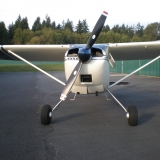
Cessna Skywagon -- accept no substitute!
Mon Feb 07, 2022 10:48 am
Re: Developing "big airplane" skills
Lots of good advice. Another thing to work on is a true understanding of weather and how the terrain, local winds, water effect them. For example if you are planing a flight to Anchorage and the weather is clear but temp and dew point are 2 degrees apart with high humidity you can expect the high tide to bring in fog. A bunch of heavy aircraft taking off can also mix the air enough for ceiling to droop leaving you stuck in a holding pattern until it calms down. Understand just how that mountain wave develops and know where to look for it. All of this helps no matter what you fly. Sometimes it is the simple stuff the causes major issues with big planes. Hanger flying is always a great way to gain knowledge.
DENNY
DENNY
DENNY
DISPLAY OPTIONS
Who is online
Users browsing this forum: No registered users and 0 guests
Latest Features
-
Live to Tell
A Minnesota pilot is surprised to learn that the sudden asymmetric drag of an out-of-rig ski can…Read More -
Creators
Working in some of the Yukon's most beautiful and remote environments, photographer Simon Blakesley captures aircraft in…Read More -
Aircraft Ownership and Maintenance
Upgrading to big tires can make a huge difference in backcountry performance, but with those gains come…Read More -
Tales from Yesteryear
In this tale from bush flying yesteryear, Don Cogger signs up to help Atlee Dodge Jr recovery…Read More


Latest Knowledge Base
-
Destinations
A regional guide with ideas for winter camping destinations in California, Nevada, New Mexico, and Arizona.Read More -
Aircraft
Finding an affordable aircraft that can handle the backcountry for $80K or less? A challenge for sure, but with the…Read More -
Aircraft
01.29.2018 - Zane - Updated tire diameter graphic to add 8.50x10 Guide to tires for use in the backcountry and off-airport landing…Read More -
Pilots
12.22.2013 - Initial article format Operating aircraft on skis and negotiating a snow-covered landscape is an entirely unique skillset and environment.…Read More


