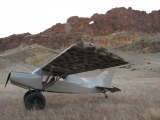
hotrod150 wrote:8GCBC wrote:Gross_weight / (overall_tire_height x tire_width) = big_tire factor...........
#1 Scout with a Gross of 2150 LBS fitted with 31136.R (31") tires would have a "big _tire_factor" of (5.3)
Example 2150 / (31 x 13 ) = (5.3) big_tire_factor
#2 Scout with a Gross of 2150 LBS fitted with 8.5 tires would have a "big _tire_factor" of (42.1)
Example 2150 / (8.5 x 6 ) = (42.1) big_tire_factor
..........
Your idea's good, but you're comparing apples to oranges. You need a big-ass set of calipers to measure the actual OD & width of the mounted tire, so you can use actual dimensions, not arbitrary numbers (such as the 8.5 on airplane #2) from the size designation. You also need to extrapolate tire contact area somehow by using tire pressure and weight of airplane. Contact area and weight per sq inch would give an indication of how much flotation they'd provide, but you'd also need to factor in diameter and it's effect on being able to roll over obstacles. A small diameter fat tire might be better in sand while a large diameter skinny tire might be better in rocks, In short, I don't think this is something that can effectively be compared using math.
I use math to compare airplane performance potential by comparing a combination of power loading (weight / horsepower) and wing loading (weight / wing area). This is apples to apples but can't take into account different airfoils, liftier flaps, etc or pilot technique and skill.
What sets do you fly?.


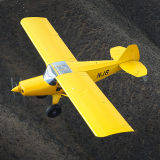
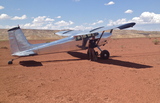


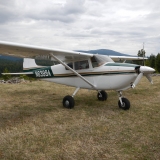
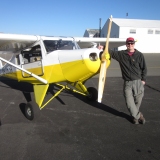
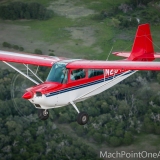


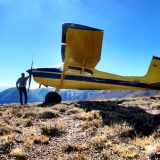

 ). The 35" ABW at low pressure is a whole different tire over a 31" ABW at low pressure.