Sorry if this has been posted here before. Video is a good reminder for pilots as we have been discussing wake turbulence.
Wake Turbulence Video: The Crash and Why-
Sat Dec 19, 2015 9:18 am
- SixTwoLeemer offline

- Posts: 1285
- Joined: Thu Feb 07, 2008 10:53 am
- Location: Wasatch Front
Altitude is Time…. Airspeed is Life!
Sat Dec 19, 2015 2:45 pm
Re: Wake Turbulence Video: The Crash and Why-
I am confused about a couple of things. Were they talking about the first airplane, a low wing, or the second airplane, a high wing? Full aileron, shown in the circle on the high wing airplane, is not what is critical. He needed to be standing on the left rudder, not shown in a circle but clearly not enough rudder used. This is a case where the old guys would say, "his down wing aileron went out." Full aileron without full rudder just aggravated the problem. Adverse yaw pulled the right wing back and very possibly stalled it. Unable to see the aileron or rudder in the low wing.
Avoidance is so much better than recovery technique, but when in the middle of it (something is hitting the fan) we need to stand on full rudder against the roll same as spin recovery. This is why Dutch Rolls need to be to 45 degree bank left and right in modern airplanes. When maneuvering near the ground, we need to know how to move the controls quickly and properly.
Avoidance is so much better than recovery technique, but when in the middle of it (something is hitting the fan) we need to stand on full rudder against the roll same as spin recovery. This is why Dutch Rolls need to be to 45 degree bank left and right in modern airplanes. When maneuvering near the ground, we need to know how to move the controls quickly and properly.
- contactflying offline
- Posts: 4972
- Joined: Wed Apr 03, 2013 7:36 pm
- Location: Aurora, Missouri 2H2
Download my free "https://tinyurl.com/Safe-Maneuvering" e-book.
Mon Dec 21, 2015 9:08 am
Re: Wake Turbulence Video: The Crash and Why-
contactflying wrote:I am confused about a couple of things. Were they talking about the first airplane, a low wing, or the second airplane, a high wing? Full aileron, shown in the circle on the high wing airplane, is not what is critical. He needed to be standing on the left rudder, not shown in a circle but clearly not enough rudder used. This is a case where the old guys would say, "his down wing aileron went out." Full aileron without full rudder just aggravated the problem. Adverse yaw pulled the right wing back and very possibly stalled it. Unable to see the aileron or rudder in the low wing.
Avoidance is so much better than recovery technique, but when in the middle of it (something is hitting the fan) we need to stand on full rudder against the roll same as spin recovery. This is why Dutch Rolls need to be to 45 degree bank left and right in modern airplanes. When maneuvering near the ground, we need to know how to move the controls quickly and properly.
AMEN!! The rudder is your friend in an upset. USE it! All of it if need be.
This bit also should be a reminder that even a small airplane generates a wake vortex. A good exercise is to take off right behind an airplane of similar size to your own, then to slide in and out of the wake vortex of the lead airplane. You may be surprised at how strong the vortex is from even something like a Super Cub. This is particularly dramatic on a very calm day, where there's no turbulence to break up the vortex.
As always, this is best experienced with an instructor aboard who knows what they are doing.
And, as Jim says, it's your rudder that'll fix the roll.....
MTV


Mon Dec 21, 2015 10:49 am
Re: Wake Turbulence Video: The Crash and Why-
yall been drinking? The plane that crashed was a low wing. The plane that has the ailerons circled is the same low wing plane. In the same shot you can also see that he has full left rudder input. The second plane was an AN-2... I guess you could say high wing, but it also has a low wing since its a biplane.. So what are you saying the pilot did wrong other than not wait on the ground another minute or two to let the wake clear ??
- akavidflyer offline

- Posts: 524
- Joined: Sat Nov 20, 2010 7:36 pm
- Location: Soldotna AK
Mon Dec 21, 2015 11:44 am
Re: Wake Turbulence Video: The Crash and Why-
akavidflyer wrote:yall been drinking? The plane that crashed was a low wing. The plane that has the ailerons circled is the same low wing plane.
I thought the same thing. The description is screwed up as well saying the pilot had full left wing down elevator

- SixTwoLeemer offline
- Posts: 1285
- Joined: Thu Feb 07, 2008 10:53 am
- Location: Wasatch Front
Altitude is Time…. Airspeed is Life!
Mon Dec 21, 2015 12:16 pm
Re: Wake Turbulence Video: The Crash and Why-
akavidflyer wrote:yall been drinking? The plane that crashed was a low wing. The plane that has the ailerons circled is the same low wing plane. In the same shot you can also see that he has full left rudder input. The second plane was an AN-2... I guess you could say high wing, but it also has a low wing since its a biplane.. So what are you saying the pilot did wrong other than not wait on the ground another minute or two to let the wake clear ??
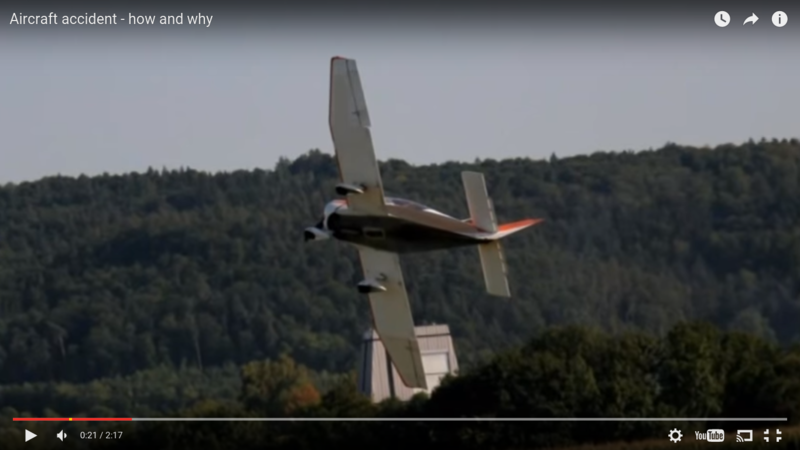
I'm not seeing the rudder input. I tried to image search for a Jodel D20 with full rudder applied to compare but didn't find one. I could be wrong, but I don't think he had the rudder in.
Also, it may not have made a difference one way or the other. That AN-2 looks like it makes an impressive vortex. I will say that in my Pacer-like airplane the rudder is more effective at controlling rolling motions caused by turbulence than pure aileron. I use both, though.
- CamTom12 offline

- Posts: 3705
- Joined: Sun Jul 08, 2012 1:08 pm
- Location: Huntsville
- FindMeSpot URL: https://share.delorme.com/camtom12
- Aircraft: Ruppe Racer
Experimental Pacer
home hand jam "wizard"
Mon Dec 21, 2015 12:21 pm
Re: Wake Turbulence Video: The Crash and Why-
The angle is a bit deceptive, but if you put a straight edge across the top if the rudder in the pic you posted you will see the "vee" and can see there is left rudder input.
- akavidflyer offline
- Posts: 524
- Joined: Sat Nov 20, 2010 7:36 pm
- Location: Soldotna AK
Mon Dec 21, 2015 12:27 pm
Re: Wake Turbulence Video: The Crash and Why-
akavidflyer wrote:The angle is a bit deceptive, but if you put a straight edge across the top if the rudder in the pic you posted you will see the "vee" and can see there is left rudder input.
Ah, gotcha. I see it now.
- CamTom12 offline
- Posts: 3705
- Joined: Sun Jul 08, 2012 1:08 pm
- Location: Huntsville
- FindMeSpot URL: https://share.delorme.com/camtom12
- Aircraft: Ruppe Racer
Experimental Pacer
home hand jam "wizard"
Mon Dec 21, 2015 3:01 pm
Re: Wake Turbulence Video: The Crash and Why-
This upset may not have been recoverable, but some are. I have been upset more than a few times spraying for one reason or another. I also have found many pilots, on a flight review, had no idea where the rudder stop was. It was obvious they had never used it nor would they be likely to in an upset. After some Dutch rolls to 45 degree banks in their airplane, they were much more likely to know and react properly in a crisis. The crisis could be wake turbulence, obstruction, or other aircraft.
- contactflying offline
- Posts: 4972
- Joined: Wed Apr 03, 2013 7:36 pm
- Location: Aurora, Missouri 2H2
Download my free "https://tinyurl.com/Safe-Maneuvering" e-book.
Mon Dec 21, 2015 6:47 pm
Re: Wake Turbulence Video: The Crash and Why-
akavidflyer wrote:yall been drinking? The plane that crashed was a low wing. The plane that has the ailerons circled is the same low wing plane. In the same shot you can also see that he has full left rudder input. The second plane was an AN-2... I guess you could say high wing, but it also has a low wing since its a biplane.. So what are you saying the pilot did wrong other than not wait on the ground another minute or two to let the wake clear ??
Good grief! The point that Jim was making has to do with use of rudder. Yes, it appears that the Jodel has a LITTLE bit of left rudder applied, but I seriously doubt that's full rudder and in that much of an upset, it's not nearly enough. As Jim pointed out, he's trying to recover from an upset using aileron as primary, not rudder. Depending on the aircraft, that can be fatal. I've never met an airplane that didn't respond well (and safely) to an upset with full rudder. But, there are airplanes out there that can hurt you in this kind of situation with full aileron applied. I don't know if the Jodel is one of those, for the record.
I for one don't care if it's high wing or low wing. The point is, how do you respond to an upset.....and the answer should be primary control is rudder. Add some aileron if that makes you happy, AND you've tested that at altitude.
MTV
Mon Dec 21, 2015 9:22 pm
Re: Wake Turbulence Video: The Crash and Why-
Contact and Cam, this one is especially for you. (Rotorheads)
But good for everyone to see. We have a guard wing at KPKB that flies Blackhawks so it hit home for me because I did all of my student training around them. I saw this last year sometime, not sure if I posted it here or not, but seems appropriate to repost here even if I did.
Blackhawk VS Cirrus:
Bit too low for the red handle.
But good for everyone to see. We have a guard wing at KPKB that flies Blackhawks so it hit home for me because I did all of my student training around them. I saw this last year sometime, not sure if I posted it here or not, but seems appropriate to repost here even if I did.
Blackhawk VS Cirrus:
Bit too low for the red handle.
- Crzyivan13 offline
- Posts: 1811
- Joined: Sat Nov 24, 2012 9:50 pm
- Location: Ohio- OI27 Checkpoint Charlie
- FindMeSpot URL: https://share.delorme.com/EvanDavis
- Aircraft: 1957 Cessna 182A
Mon Dec 21, 2015 9:49 pm
Re: Wake Turbulence Video: The Crash and Why-
When the cost of labor began to make flaggers more expensive and before the automatic flagman (tissue pitcher on the wing) became popular, operators who had more than one airplane used team spraying. We still went back and forth, working from downwind border to upwind border. We still fell off the last swath downwind so as to have free crosswind help getting back in the next swath fifty feet upwind. The second plane would enter the field on the second swath well behind the first and spray on the leads spray pattern. Lead would be coming into the third swath, guiding on trails spray pattern, as trail was coming out and turning downwind.
The spray goes down nicely off the trailing edge, but swirls off the wing tips. That means there will be an upset if his swirl has not moved downwind into his swath. Yes, in still air it will still be there. Because most spray is white, you will see it. If it tries to upset you, use appropriate rudder to keep the nose going straight down the swath row.
A loaded Pawnee will make this P turn back into the next swath row in 30 seconds loaded. As the load comes off, both airplanes turn in less time. From from fifty gallons to about ten (header, it doesn't all come out) the turn is sixteen to twenty seconds. We don't get three minutes between airplanes, but we do use and understand the wind.
All that is gone now with GPS. Wait! The wind is still there and we still can make good use of it.
The spray goes down nicely off the trailing edge, but swirls off the wing tips. That means there will be an upset if his swirl has not moved downwind into his swath. Yes, in still air it will still be there. Because most spray is white, you will see it. If it tries to upset you, use appropriate rudder to keep the nose going straight down the swath row.
A loaded Pawnee will make this P turn back into the next swath row in 30 seconds loaded. As the load comes off, both airplanes turn in less time. From from fifty gallons to about ten (header, it doesn't all come out) the turn is sixteen to twenty seconds. We don't get three minutes between airplanes, but we do use and understand the wind.
All that is gone now with GPS. Wait! The wind is still there and we still can make good use of it.
- contactflying offline
- Posts: 4972
- Joined: Wed Apr 03, 2013 7:36 pm
- Location: Aurora, Missouri 2H2
Download my free "https://tinyurl.com/Safe-Maneuvering" e-book.
Tue Dec 22, 2015 12:10 am
Re: Wake Turbulence Video: The Crash and Why-
Kudos to Contact and MTV.
My only inclusion / addition ?!? is that a couple of my early instructors, on a windy-gusty day would hold the stick or yoke and make me to put my hands in my lap after turning final and said I had to keep the plane straight and level with my feet. It is amazing when you learn that a good rudder will pick up a wing faster than an aileron during slow final approach speeds. And yes ya got MOVE it.
Trim
My only inclusion / addition ?!? is that a couple of my early instructors, on a windy-gusty day would hold the stick or yoke and make me to put my hands in my lap after turning final and said I had to keep the plane straight and level with my feet. It is amazing when you learn that a good rudder will pick up a wing faster than an aileron during slow final approach speeds. And yes ya got MOVE it.
Trim
Trimtab
It can be true, even if it didn't happen - Ken Keasey - mostly*
Man invented language so he could hide the truth from others - Tallyrand - sort of
It can be true, even if it didn't happen - Ken Keasey - mostly*
Man invented language so he could hide the truth from others - Tallyrand - sort of
Tue Dec 22, 2015 5:24 am
Re: Wake Turbulence Video: The Crash and Why-
Crzyivan13 wrote:Contact and Cam, this one is especially for you. (Rotorheads)
Yeah, that's a crazy video. Even my beloved little Kiowa Warrior (which seems really small in comparison to other military helicopters) has a MGW of 5200 lbs. That's 2.6 times more than my airplane. Plus helicopters leave a crazy spiral vortex sheet at low airspeeds that can linger for a bit.
- CamTom12 offline
- Posts: 3705
- Joined: Sun Jul 08, 2012 1:08 pm
- Location: Huntsville
- FindMeSpot URL: https://share.delorme.com/camtom12
- Aircraft: Ruppe Racer
Experimental Pacer
home hand jam "wizard"
Tue Dec 22, 2015 7:07 am
Re: Wake Turbulence Video: The Crash and Why-
Trimtab wrote:Kudos to Contact and MTV.
My only inclusion / addition ?!? is that a couple of my early instructors, on a windy-gusty day would hold the stick or yoke and make me to put my hands in my lap after turning final and said I had to keep the plane straight and level with my feet. It is amazing when you learn that a good rudder will pick up a wing faster than an aileron during slow final approach speeds. And yes ya got MOVE it.
Trim
I thought that he was climbing a little slow. I wonder if a little speed gained in ground effect might have given him more control authority.
- daedaluscan offline


- Posts: 1303
- Joined: Sat Jan 12, 2013 1:06 pm
- Location: Texada BC
Tue Dec 22, 2015 8:50 am
Re: Wake Turbulence Video: The Crash and Why-
Trimtab,
I like your instructor's technique. I just held a stiff thumb near the stick or control wheel. When the student moved the aileron, the stick or control wheel would hit my thumb and he would look over. I would say, "just use the rudder. Keep the wing level or banked into the crosswind with aileron."
daedaluscan,
Yes. Staying in low ground effect would have helped. Ground effect stabilizes the airplane because we are going faster in ground effect making the controls work better and because the equal down flow off the trailing edge is closer to the ground. In the team spraying example I described, the airplane flying through the vortices is moved sideways and not rolled significantly. Either way much rudder is needed but ground effect mitigates wing tip vortice problems.
In both cases, ease of alignment control on final and upset management, and in many other cases, rudder alone is the best stabilizing control. As airplanes began to have more effective adverse yaw control, this important best stability control began to be emphasized less by instructors. This unfortunate process not only diminished the value pilots saw in the true safety airplane, the Ercoupe, but also diminished the value of good rudder usage training. MTV, Trimtabs instructor, and myself are generally the odd men out.
Contact
I like your instructor's technique. I just held a stiff thumb near the stick or control wheel. When the student moved the aileron, the stick or control wheel would hit my thumb and he would look over. I would say, "just use the rudder. Keep the wing level or banked into the crosswind with aileron."
daedaluscan,
Yes. Staying in low ground effect would have helped. Ground effect stabilizes the airplane because we are going faster in ground effect making the controls work better and because the equal down flow off the trailing edge is closer to the ground. In the team spraying example I described, the airplane flying through the vortices is moved sideways and not rolled significantly. Either way much rudder is needed but ground effect mitigates wing tip vortice problems.
In both cases, ease of alignment control on final and upset management, and in many other cases, rudder alone is the best stabilizing control. As airplanes began to have more effective adverse yaw control, this important best stability control began to be emphasized less by instructors. This unfortunate process not only diminished the value pilots saw in the true safety airplane, the Ercoupe, but also diminished the value of good rudder usage training. MTV, Trimtabs instructor, and myself are generally the odd men out.
Contact
- contactflying offline
- Posts: 4972
- Joined: Wed Apr 03, 2013 7:36 pm
- Location: Aurora, Missouri 2H2
Download my free "https://tinyurl.com/Safe-Maneuvering" e-book.
DISPLAY OPTIONS
Who is online
Users browsing this forum: No registered users and 1 guest
Latest Features
-
-
Featured Bush Planes
As one of the undisputed legends of bush flying, the Cessna 180 hauls a…Read More -
Aircraft Ownership and Maintenance
9 modification mistakes aircraft owners make when trying to "bush out" their birds—why some…Read More -
Live to Tell
A Minnesota pilot is surprised to learn that the sudden asymmetric drag of an…Read More


Latest Knowledge Base
-
Destinations
Canada offers some of the most spectacular backcountry flying on the continent. Here's what you need to know before you go.Read More -
Safety and Survival
Hope that you never have to use your survival vest but knowing you have it and knowing how to use…Read More -
Destinations
A regional guide with ideas for winter camping destinations in California, Nevada, New Mexico, and Arizona.Read More -
Aircraft
Finding an affordable aircraft that can handle the backcountry for $80K or less? A challenge for sure, but with the…Read More