Stick and Rudder page 222, third paragraph: "Slowness makes the radius of turn, for given angle of bank, much shorter, and hence the curving path much curvier; this means a more pronounced sluing around of the tail and hence more dampening." When slow, we need to push the nose around the turn with rudder.
Above is Wolfgang's explanation of one of the many reasons we need to continue rudder in the direction of turn after the aileron is neutral or even working against over banking. In the energy management turn we trade cruise airspeed for altitude, wings level, to get up a bit and slow. As soon as we lead rudder and then bank to initiate the turn, we allow the nose to go down naturally. Both slowness and bank cause this natural safety feature of the nose going down. This slowness and the need to get most of the turn in while slow necessitate our getting lots of rudder in before the now down nose increases airspeed and we begin to bottom out of vertical space available.
Since we allow the nose to go down naturally to prevent load factor, gravity will increase airspeed rapidly. With the nose down and while still slow, we can pull the stick a bit to take out some of the natural tuck in steep turns. We don't have to allow the airplane to return to trimmed cruise airspeed rapidly. We don't want to apply pressure to the elevator, to increase g load. We just want the now slack elevator to remove some, not all, of the pitch down.
The pressure applied to lead rudder (and move aileron) getting bank started and reversing bank in Dutch rolls is needed when the airspeed returns to cruise as the nose is coming around and down onto target. The pull up also requires strong back pressure that will load the wing. That is why we level the wing prior to pull up to end the turn on target.
Like learning anything new, steep energy management turns are different. Noticeably! It involves pitch change, speed change, and lots of control movement. Gross! The more shallow energy management turn, on the other hand, is more difficult because it is less different and the need for pitch up and allowing the nose to go down naturally is less evident. The law of the roller coaster here is mild and may seem unnecessary. The value is in developing muscle memory and, if default, insurance against startle stall at slow airspeed with shallow bank. In the steep turn, slipping with insufficient rudder is obvious. In this shallow turn, slipping is not as obvious. We have to remember the nose must pitch up a bit and then the nose must be allowed to go down while we lead rudder, apply aileron, continue rudder to target, lots of rudder to level wing and pull up just a bit on target.
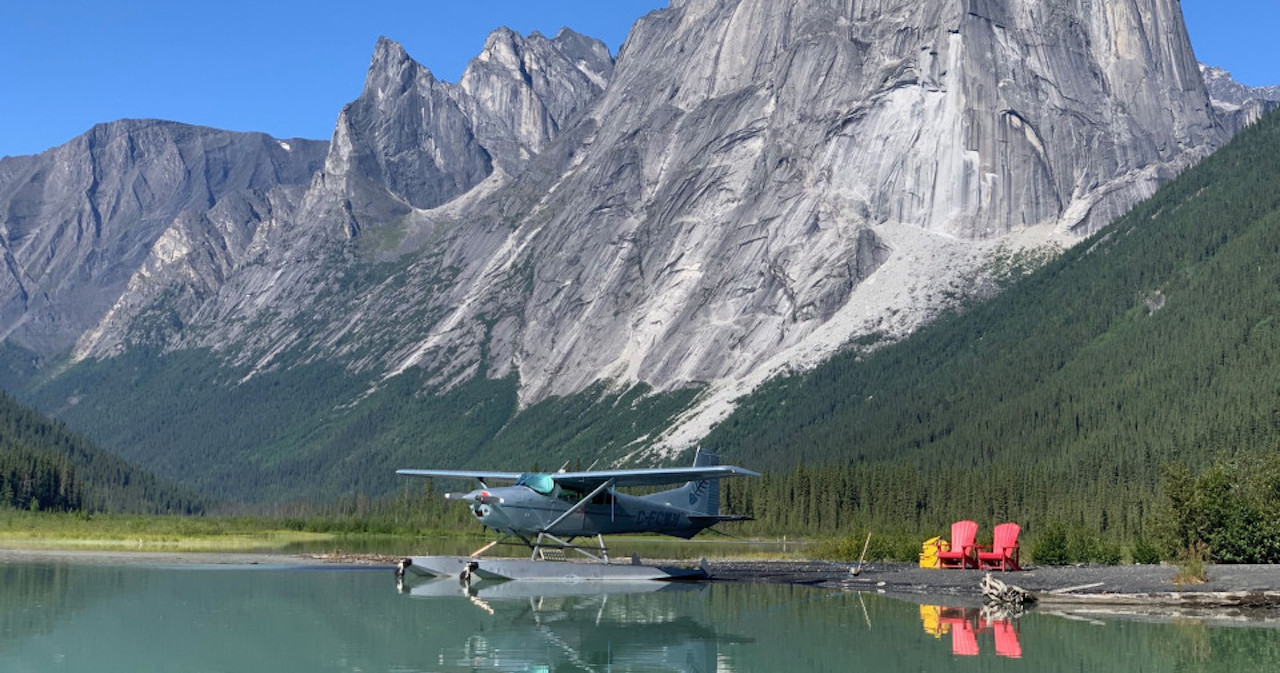
Butch Washtock, Mr. "rudder pulls aileron," also teaches extra rudder in his slower than normal cruise approach to steep sided canyon flying in the BC Mountains. Energy management shallow turns are appropriate here as well, but Butch also teaches the patience of Job (either the work duty or the saint.)
Extra rudder when slow.
Sun Jan 31, 2021 2:46 am
- contactflying offline
- Posts: 4972
- Joined: Wed Apr 03, 2013 7:36 pm
- Location: Aurora, Missouri 2H2
Download my free "https://tinyurl.com/Safe-Maneuvering" e-book.
Sun Jan 31, 2021 6:48 am
Re: Extra rudder when slow.
Thanks Jim . Keep ‘em coming .
DISPLAY OPTIONS
Who is online
Users browsing this forum: No registered users and 1 guest
Latest Features
-
-
Featured Bush Planes
As one of the undisputed legends of bush flying, the Cessna 180 hauls a…Read More -
Aircraft Ownership and Maintenance
9 modification mistakes aircraft owners make when trying to "bush out" their birds—why some…Read More -
Live to Tell
A Minnesota pilot is surprised to learn that the sudden asymmetric drag of an…Read More


Latest Knowledge Base
-
Destinations
Canada offers some of the most spectacular backcountry flying on the continent. Here's what you need to know before you go.Read More -
Safety and Survival
Hope that you never have to use your survival vest but knowing you have it and knowing how to use…Read More -
Destinations
A regional guide with ideas for winter camping destinations in California, Nevada, New Mexico, and Arizona.Read More -
Aircraft
Finding an affordable aircraft that can handle the backcountry for $80K or less? A challenge for sure, but with the…Read More