Hello everyone,
My name is Elliot, I am undergraduate student and student pilot, right now I am doing an independent research project on reducing the crosswind impact on an LSA/Ultralight tailfin upon landing by using something called a plasma actuator, to try and reintroduce stability and thwart accidents in the future. I wanted to get a perspective of the community on their experiences with crosswind landings and how they have dealt with them as well as hearing about your thoughts on transitioning between GA aircraft to light sports. The survey should only take 3 minutes to complete, thank you all for your time.
Elliot from Canada.
Survey: https://survey.sogosurvey.com/r/gudJ91
Survey on crosswind effects and accident experience.
Fri Aug 13, 2021 7:39 am
Fri Aug 13, 2021 8:38 am
Re: Survey on crosswind effects and accident experience.
What does this thing weigh? How much power? how much drag? Will it reduce rudder or elevator authority?
Don’t think I’d be in the market for this device regardless, but curious to how this would work.
Don’t think I’d be in the market for this device regardless, but curious to how this would work.
- NineThreeKilo offline
- Retired
- Posts: 1679
- Joined: Thu Dec 31, 2009 8:16 pm
- Location: _
Fri Aug 13, 2021 9:09 am
Re: Survey on crosswind effects and accident experience.
Email me at [email protected] and I will send you "Safe Maneuvering Flight Techniques. " The chapter on angling across the runway in strong crosswind should be of interest to your project. Also the thread on angling across in strong crosswind in Theory, Practice, and Procedure in this forum.
Most LSA are plenty light enough to do this well. With power pitch deceleration from short final to touchdown on the downwind corner slowly and softly. The headwind component of the crosswind is helpful and we touchdown much slower than OGE Vso in low ground effect.
Most LSA are plenty light enough to do this well. With power pitch deceleration from short final to touchdown on the downwind corner slowly and softly. The headwind component of the crosswind is helpful and we touchdown much slower than OGE Vso in low ground effect.
- contactflying offline
- Posts: 4972
- Joined: Wed Apr 03, 2013 7:36 pm
- Location: Aurora, Missouri 2H2
Download my free "https://tinyurl.com/Safe-Maneuvering" e-book.
Mon Aug 16, 2021 4:01 pm
Mon Aug 16, 2021 6:52 pm
Re: Survey on crosswind effects and accident experience.
Meh, just kick some rudder in
Could I have a plasma rifle instead?
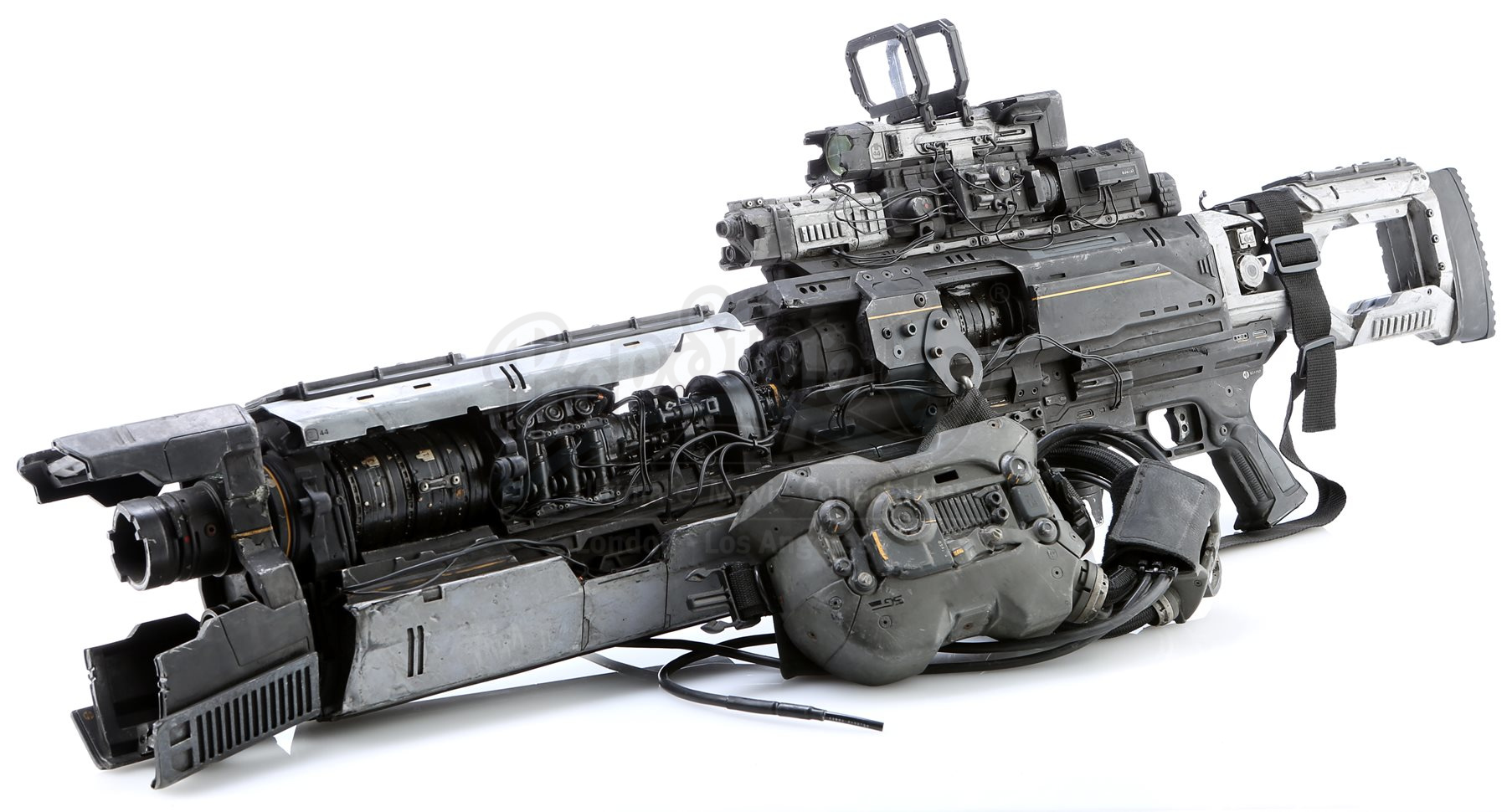
Could I have a plasma rifle instead?
- NineThreeKilo offline
- Retired
- Posts: 1679
- Joined: Thu Dec 31, 2009 8:16 pm
- Location: _
Mon Aug 16, 2021 8:08 pm
Re: Survey on crosswind effects and accident experience.
Elliot,
Two thought on your description of your quest are of interest: "reducing crosswind impact" and "reintroduce stability." Reducing crosswind impact can best be accomplished by angling across the runway more in strong crosswind and less in lighter crosswind. Design wise, a nose gear will help reduce crosswind impact, but good technique works better. If you are a student in a tailwheel airplane, you already know that dynamic proactive bracketing to maintain stability is far superior to any reintroducing of stability. Reintroduction of stability is by definition a behind the airplane concept.
My lack of math and science background limits my understanding of lesuther's article on plasma. From the diagrams, it seems to be an attempt to increase the efficiency of the lift of causing air to go farther across the top of the wing than the bottom (camber venturi effect.) Using a bit larger vertical stabilizer and rudder would increase it's effectiveness in a much simpler way, I think.
STOL airplane innovations and powerful engines on light airframes have tremendously increased the STOL contest competitiveness of airplanes. As a helicopter pilot, it hurts me to see them almost hover out of ground effect too low to recover from stall. They will not accomplish a hovering autorotation very well. All this innovation, however, has not made them tremendously more capable of off field work than normal airplanes.
I think your project might be more useful in helicopters countering torque in single rotor. A slicker and more efficient tail rotor would be helpful. When max or greater loaded, we are up against rotor decay (bleed) when we run out of left (US) or right (European) pedal. Losing turns is a big thing to helicopter pilots.
contact
Two thought on your description of your quest are of interest: "reducing crosswind impact" and "reintroduce stability." Reducing crosswind impact can best be accomplished by angling across the runway more in strong crosswind and less in lighter crosswind. Design wise, a nose gear will help reduce crosswind impact, but good technique works better. If you are a student in a tailwheel airplane, you already know that dynamic proactive bracketing to maintain stability is far superior to any reintroducing of stability. Reintroduction of stability is by definition a behind the airplane concept.
My lack of math and science background limits my understanding of lesuther's article on plasma. From the diagrams, it seems to be an attempt to increase the efficiency of the lift of causing air to go farther across the top of the wing than the bottom (camber venturi effect.) Using a bit larger vertical stabilizer and rudder would increase it's effectiveness in a much simpler way, I think.
STOL airplane innovations and powerful engines on light airframes have tremendously increased the STOL contest competitiveness of airplanes. As a helicopter pilot, it hurts me to see them almost hover out of ground effect too low to recover from stall. They will not accomplish a hovering autorotation very well. All this innovation, however, has not made them tremendously more capable of off field work than normal airplanes.
I think your project might be more useful in helicopters countering torque in single rotor. A slicker and more efficient tail rotor would be helpful. When max or greater loaded, we are up against rotor decay (bleed) when we run out of left (US) or right (European) pedal. Losing turns is a big thing to helicopter pilots.
contact
- contactflying offline
- Posts: 4972
- Joined: Wed Apr 03, 2013 7:36 pm
- Location: Aurora, Missouri 2H2
Download my free "https://tinyurl.com/Safe-Maneuvering" e-book.
DISPLAY OPTIONS
Who is online
Users browsing this forum: No registered users and 0 guests
Latest Features
-
Live to Tell
A Minnesota pilot is surprised to learn that the sudden asymmetric drag of an out-of-rig ski can…Read More -
Creators
Working in some of the Yukon's most beautiful and remote environments, photographer Simon Blakesley captures aircraft in…Read More -
Aircraft Ownership and Maintenance
Upgrading to big tires can make a huge difference in backcountry performance, but with those gains come…Read More -
Tales from Yesteryear
In this tale from bush flying yesteryear, Don Cogger signs up to help Atlee Dodge Jr recovery…Read More


Latest Knowledge Base
-
Destinations
A regional guide with ideas for winter camping destinations in California, Nevada, New Mexico, and Arizona.Read More -
Aircraft
Finding an affordable aircraft that can handle the backcountry for $80K or less? A challenge for sure, but with the…Read More -
Aircraft
01.29.2018 - Zane - Updated tire diameter graphic to add 8.50x10 Guide to tires for use in the backcountry and off-airport landing…Read More -
Pilots
12.22.2013 - Initial article format Operating aircraft on skis and negotiating a snow-covered landscape is an entirely unique skillset and environment.…Read More


