Zzz wrote:^^ So Hammer, don't keep us in suspense, what is it??
...
Why fast lenses? I've never like the term fast to describe max aperture because I only rely on aperture for exposure as a last ditch. 99% of the time my aperture setting is for a specific depth of field. Super short DOF is a nice trick to have up your sleeve.
https://flic.kr/p/CTHofB
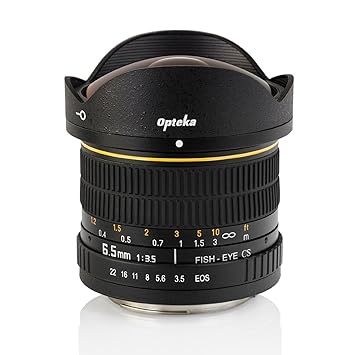
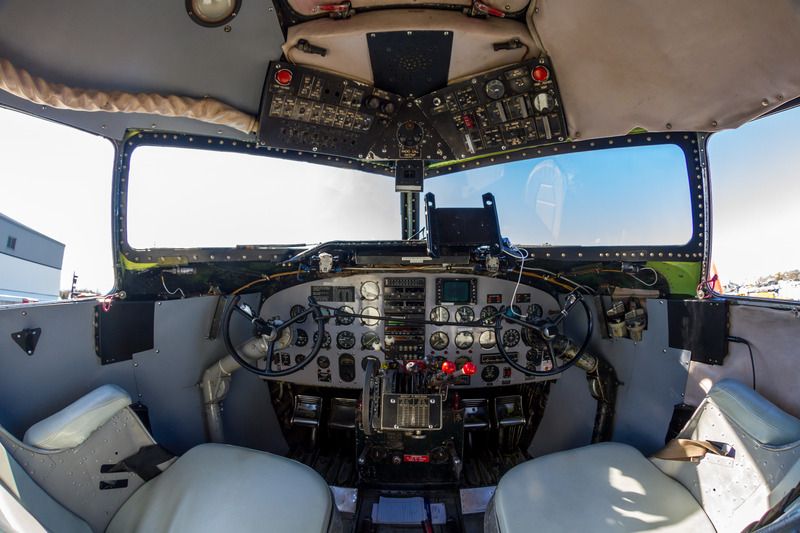
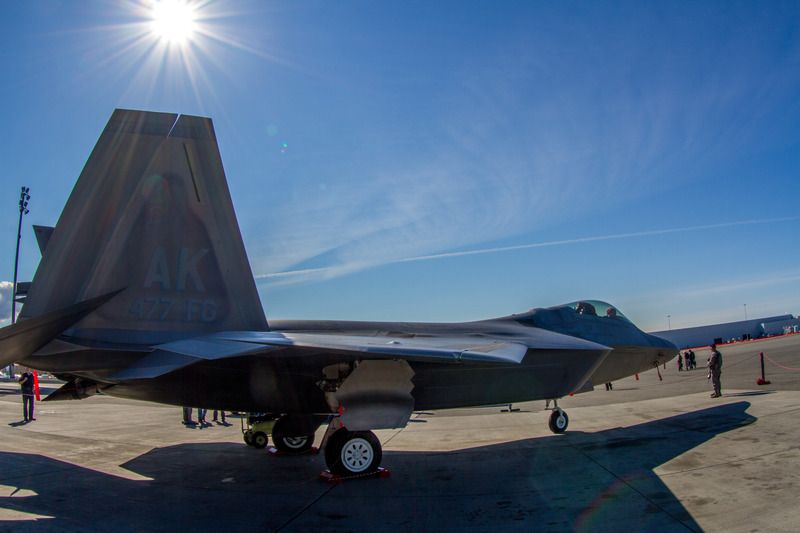
Right...sorry. It's the Nikkor 15mm flat field f3.5. It's unique in that it doesn't distort straight lines by curving them...they stay perfectly straight. The people who actually get their money's worth from this lens are architectural photographers. It's not very easy to use because the huge front element collects light from all sides and you get a lot of lens flair. It's super-fun under the right conditions though, and surprisingly sharp.
When I bought it my girlfriend was a illustrator for animation and she loved it because it provided the same perspective that animators use in their drawings. I wouldn't really recommend it for general purpose, but it's fun to have such a unique piece of glass to play with.
As to fast lenses...They were perhaps a much bigger deal when film and manual focus ruled the earth. ISO 100 was the absolute max for professional color photography, and ISO 50 was MUCH better. Maximum aperture was par for the course if you were handheld, and the faster the better.
Even more important was the difficulty in focusing slow lenses. The brighter the lens, the easier it is to focus. A f3.5 or 5.6 zoom lens was a chore to focus in good light, and impossible in dim light. The first decade of auto-focus left much to be desired, and photographers who went that route still had to revert to manual focus in any sort of challenging conditions. Even the most expensive professional cameras didn't come with diopter corrections in the eyepiece until the mid or late 90's, so if your eyesight was just a tad off it was even harder. Photographers like myself spent hundreds of dollars on different focusing screens trying to get a brighter image to focus on.
Then there was (is?) image quality. The fast Nikkor lenses (those are the only ones I'm familiar with) were simply sharper than the equivalent focal length slow lenses. Often much, much sharper. I don't know why, and I don't know if it's the same today, but that's how it used to be.
Superb autofocus and the high ISO of digital cameras have made fast lenses less important than they were for film, but they still have their place. Controlling depth of field is one of the primary benefits, but low light shooting still benefits greatly from faster shutter speeds and/or lower ISO's.


](/phpbb3/images/smilies/eusa_wall.gif "Brick wall")