Top Me Up
Thu Jul 28, 2022 5:47 am
Top Me Up
What a typical oil level for an Lycoming 0-360 A1A, the dip stick is graduated to 8 quarts. At that level I'm sure a large percentage of that would simply be blown overboard. So is it 4 quarts, 6 quarts, what the "operational" number most are using ?
Thu Jul 28, 2022 7:40 am
Re: Top Me Up
I use 6.
- daedaluscan offline


- Posts: 1269
- Joined: Sat Jan 12, 2013 1:06 pm
- Location: Texada BC
Thu Jul 28, 2022 7:44 am
Re: Top Me Up
I use 6.
- daedaluscan offline
- Posts: 1269
- Joined: Sat Jan 12, 2013 1:06 pm
- Location: Texada BC
Thu Jul 28, 2022 7:46 am
Re: Top Me Up
In my experience it really depends on the engine. One will run at 8 without throwing any over, the next will throw over down to 4 or 5 and then sit there for the next 25 hrs. I wouldn’t let it get below 4, up I’d certainly try tot it rum down until it settles and then you know what your engine likes.
Thu Jul 28, 2022 9:13 am
Re: Top Me Up
I agree with previous post. Keep it full for break in, then just fly until it settles. Every engine seems to be different but 6 quarts on a 0320 is common. Fresh oil will hold longer so as oil gets old expect to use more. DENNY
DENNY
Thu Jul 28, 2022 9:24 am
Re: Top Me Up
Top it off and see where it’s happy place is, like others said probably around 6ish
The manual should also have these numbers
https://www.lycoming.com/sites/default/ ... 6%20Series)%20Oper%20Manual%2060297-25.pdf
The manual should also have these numbers
https://www.lycoming.com/sites/default/ ... 6%20Series)%20Oper%20Manual%2060297-25.pdf
- NineThreeKilo offline
- Retired
- Posts: 1679
- Joined: Thu Dec 31, 2009 8:16 pm
- Location: _
Thu Jul 28, 2022 11:14 am
Re: Top Me Up
Question: What are the mechanics of "leveling off" the oil burn? I've rebuilt engines, I feel like I have a handle on how the oil system works, but can't quite think of how the oil level in the sump contributes to burn rate one way or the other.
- Zzz offline


- Posts: 2855
- Joined: Fri Oct 08, 2004 11:09 pm
- Location: northern
- Aircraft: Swiveling desk chair
Half a century spent proving “it is better to be thought a fool than to open your mouth and remove all doubt.”
Thu Jul 28, 2022 11:33 am
Re: Top Me Up
Zzz wrote:Question: What are the mechanics of "leveling off" the oil burn? I've rebuilt engines, I feel like I have a handle on how the oil system works, but can't quite think of how the oil level in the sump contributes to burn rate one way or the other.
My observation was that my O-300 threw out any excess. I don't think the burn rate increased I think it just leaked more.
My 0-360 seems to use nothing like the same amount of oil, maybe a quart every 25 hours as opposed to a quart in 5 or 6 hours on the O-300. It just doesnt leak much.
- daedaluscan offline
- Posts: 1269
- Joined: Sat Jan 12, 2013 1:06 pm
- Location: Texada BC
Thu Jul 28, 2022 12:27 pm
Re: Top Me Up
I'll go "operational" with 6 quarts, the engine has accrued about 450 hours since shop overhaul so well beyond "break-in". Thanks for the intel BCP'ers
Thu Jul 28, 2022 3:37 pm
Re: Top Me Up
Zzz wrote:Question: What are the mechanics of "leveling off" the oil burn? I've rebuilt engines, I feel like I have a handle on how the oil system works, but can't quite think of how the oil level in the sump contributes to burn rate one way or the other.
It doesn’t burn it, just blows it out the breather. I don’t know the mechanics of why this varies per engine. Slightly different crank case pressures caused by difference in rung seating most likely.
Thu Jul 28, 2022 4:32 pm
Re: Top Me Up
I wonder, David, if size of oil sump makes a difference. I had to clean the bottom of the fuselage on 172s with O-320s run at six quarts. That was about once a month at 100hr inspection. The bottom of the fuselage on all the small Continental powered airplanes I owned was much worse run at three quarts in a four quart sump and fewer hours per cleaning.
- contactflying offline
- Posts: 4972
- Joined: Wed Apr 03, 2013 7:36 pm
- Location: Aurora, Missouri 2H2
Download my free "https://tinyurl.com/Safe-Maneuvering" e-book.
Thu Jul 28, 2022 6:19 pm
Re: Top Me Up
A1Skinner wrote:Zzz wrote:Question: What are the mechanics of "leveling off" the oil burn? I've rebuilt engines, I feel like I have a handle on how the oil system works, but can't quite think of how the oil level in the sump contributes to burn rate one way or the other.
It doesn’t burn it, just blows it out the breather. I don’t know the mechanics of why this varies per engine. Slightly different crank case pressures caused by difference in rung seating most likely.
That's what I'm experiencing, its blowing the excess out the breather.
Fri Jul 29, 2022 9:09 am
Re: Top Me Up
I add a quart at 5.5, so around 6.
The oil capacity is tied to manufacturer certification, where at max allowable oil consumption you wouldn't run out of oil on your 3-4 hour flight. Minimum from memory is 2 quarts, so down to 4 should be ok.
The oil capacity is tied to manufacturer certification, where at max allowable oil consumption you wouldn't run out of oil on your 3-4 hour flight. Minimum from memory is 2 quarts, so down to 4 should be ok.
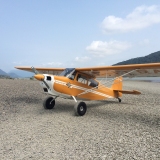
'74 7GCBC, 26" ABW, Aera 660 feeding G5 and FC-10 FF.
Fri Jul 29, 2022 11:31 am
Re: Top Me Up
A1Skinner wrote:Zzz wrote:Question: What are the mechanics of "leveling off" the oil burn? I've rebuilt engines, I feel like I have a handle on how the oil system works, but can't quite think of how the oil level in the sump contributes to burn rate one way or the other.
It doesn’t burn it, just blows it out the breather. I don’t know the mechanics of why this varies per engine. Slightly different crank case pressures caused by difference in rung seating most likely.
Good answer, thanks.
- Zzz offline
- Posts: 2855
- Joined: Fri Oct 08, 2004 11:09 pm
- Location: northern
- Aircraft: Swiveling desk chair
Half a century spent proving “it is better to be thought a fool than to open your mouth and remove all doubt.”
Fri Jul 29, 2022 5:52 pm
Re: Top Me Up
For Lycoming four cylinder O-320 or 360 engines, Lycoming specifies Minimum oil level to start is 2 quarts. Minimum level to FLY or change attitude of the engine is 4 quarts.
I top to 7 quarts and leave it at 6 if it gets there before oil change, EXCEPT if I’m going on a long trip. Then top to 7.
Important to understand that one primary function of oil is COOLING. In warm weather a little extra is not bad.
MTV
I top to 7 quarts and leave it at 6 if it gets there before oil change, EXCEPT if I’m going on a long trip. Then top to 7.
Important to understand that one primary function of oil is COOLING. In warm weather a little extra is not bad.
MTV


Tue Aug 02, 2022 11:16 am
Re: Top Me Up
If you can adjust your breather tube (height, amount it sticks out or doesn't into the slipstream, etc), try that. If you have it in the wrong place it functions as a siphon. Some previous owner of my Maule had a "happy place" stamped on the dipstick (around 9 quarts out of 12). I adjusted the breather tube, and now run it full with only the most minor oil loss, only noticeable on the belly after a long while rather than on the dipstick.
Tue Aug 02, 2022 12:30 pm
Re: Top Me Up
JdS wrote:If you can adjust your breather tube (height, amount it sticks out or doesn't into the slipstream, etc), try that. If you have it in the wrong place it functions as a siphon. Some previous owner of my Maule had a "happy place" stamped on the dipstick (around 9 quarts out of 12). I adjusted the breather tube, and now run it full with only the most minor oil loss, only noticeable on the belly after a long while rather than on the dipstick.
Now this though has peaked my interest; I can see the logic in this can, you offer any further details.
Tue Aug 02, 2022 1:40 pm
Re: Top Me Up
Mapleflt wrote:JdS wrote:If you can adjust your breather tube (height, amount it sticks out or doesn't into the slipstream, etc), try that. If you have it in the wrong place it functions as a siphon. Some previous owner of my Maule had a "happy place" stamped on the dipstick (around 9 quarts out of 12). I adjusted the breather tube, and now run it full with only the most minor oil loss, only noticeable on the belly after a long while rather than on the dipstick.
Now this though has peaked my interest; I can see the logic in this can, you offer any further details.
So is this a reality; has anyone else experienced this as well, is there an "optimum" length for the crankcase breather tube.
Tue Aug 02, 2022 7:07 pm
Re: Top Me Up
It's been a while, but I think I just moved it up a few inches from where it was. Maules have flexible hose coming off the engine in an upside-down "U", connecting to an aluminum tube that sticks down, so it's pretty easy to fiddle with it. Looking at some old pictures, it doesn't look like the tube was dangling down much, so I think the most important change I made was to make the top of that "U" higher. Though I did also shorten the hose so the tube bottom is higher than it was.
The fellow I learned this "raise the breather" trick from had wrenched around Alaska for many years and swore by it. Certainly worked for me.
Different aircraft might be a little harder to adjust, depending on how their breather tubes are set up, and it's probably something that will take a couple of iterations to get right.
The fellow I learned this "raise the breather" trick from had wrenched around Alaska for many years and swore by it. Certainly worked for me.
Different aircraft might be a little harder to adjust, depending on how their breather tubes are set up, and it's probably something that will take a couple of iterations to get right.
Tue Aug 02, 2022 8:31 pm
Re: Top Me Up
In cold country ops, I always wanted the end of the breather about flush with the bottom of the fuselage to help prevent freezing.
Certainly changes the airflow around the end of the breather.
MTV
Certainly changes the airflow around the end of the breather.
MTV
DISPLAY OPTIONS
Who is online
Users browsing this forum: No registered users and 0 guests
Latest Features
-
Live to Tell
A Minnesota pilot is surprised to learn that the sudden asymmetric drag of an out-of-rig ski can…Read More -
Creators
Working in some of the Yukon's most beautiful and remote environments, photographer Simon Blakesley captures aircraft in…Read More -
Aircraft Ownership and Maintenance
Upgrading to big tires can make a huge difference in backcountry performance, but with those gains come…Read More -
Tales from Yesteryear
In this tale from bush flying yesteryear, Don Cogger signs up to help Atlee Dodge Jr recovery…Read More


Latest Knowledge Base
-
Destinations
A regional guide with ideas for winter camping destinations in California, Nevada, New Mexico, and Arizona.Read More -
Aircraft
Finding an affordable aircraft that can handle the backcountry for $80K or less? A challenge for sure, but with the…Read More -
Aircraft
01.29.2018 - Zane - Updated tire diameter graphic to add 8.50x10 Guide to tires for use in the backcountry and off-airport landing…Read More -
Pilots
12.22.2013 - Initial article format Operating aircraft on skis and negotiating a snow-covered landscape is an entirely unique skillset and environment.…Read More


