Does anyone know of a GOOD AoA for the 185 and if the garmin GI 275 will display the data?
Ideally a lowish profile actual AoA vane, maybe a replacement for a inspection cover on the wing?
Having flown AoA on the work planes for the past half decade, I do miss it on my own plane, especially in non standard situations like 0 flap, wing contamination, hot and heavy, etc
Thanks!
185 AoA & GI275??
Sun Oct 09, 2022 1:53 pm
- NineThreeKilo offline
- Retired
- Posts: 1678
- Joined: Thu Dec 31, 2009 8:16 pm
- Location: _
Sun Oct 09, 2022 5:25 pm
Re: 185 AoA & GI275??
In my 185 I've had the Alpha Systems, for 10+ years, its dependable and easy to read. I got an AOA function unlock code for my aspen display a few years ago and the calibration was a pain and the display of that piece of data kind of sucks. I would do Alpha's again.
- Durango Skywagon offline

- Posts: 284
- Joined: Sat Oct 27, 2007 6:29 pm
- Location: Durango, Colorado
- FindMeSpot URL: http://share.findmespot.com/shared/face ... 0mZtv6OxWk
How to Overthrow the System: brew your own beer; kick in your Tee Vee; kill your own beef; build your own cabin and piss off the front porch whenever you bloody well feel like it. - Edward Abbey
My Spot Page
My Spot Page
Mon Oct 10, 2022 5:42 am
Re: 185 AoA & GI275??
I am not a believer in “AOA devices” for light aircraft….just don’t see the value, personally.
BUT, it seems to me that whatever system you choose, to be even vaguely useful, it needs to have an indicator mounted up on top of your glareshield. Buried in the panel is useless, frankly. And, Yes, I realize some have audio…..
Or better yet, integrate it into your HUD, like Maverick…..
MTV
BUT, it seems to me that whatever system you choose, to be even vaguely useful, it needs to have an indicator mounted up on top of your glareshield. Buried in the panel is useless, frankly. And, Yes, I realize some have audio…..
Or better yet, integrate it into your HUD, like Maverick…..
MTV


Mon Oct 10, 2022 9:02 am
Re: 185 AoA & GI275??
mtv wrote:I am not a believer in “AOA devices” for light aircraft….just don’t see the value, personally.
BUT, it seems to me that whatever system you choose, to be even vaguely useful, it needs to have an indicator mounted up on top of your glareshield. Buried in the panel is useless, frankly. And, Yes, I realize some have audio…..
Or better yet, integrate it into your HUD, like Maverick…..
MTV
I’ve seen the ones that go on the glare shield, that’s been in the back of my mind too
One of the planes I flew that had it, it was a fast/slow bar on the side of the attitude indicator, worked great
In my experience for takeoff and landing, or working the edges of the envelope, it’s more useful than the airspeed indicator
Some stuff is silly, my plane came with a CD player and aileron trim, both things I’d like to delete along with the tail beacon, I look at the return on investment for function vs drag/weight and yes, looks too

- NineThreeKilo offline
- Retired
- Posts: 1678
- Joined: Thu Dec 31, 2009 8:16 pm
- Location: _
Mon Oct 10, 2022 9:54 am
Re: 185 AoA & GI275??
Durango Skywagon wrote:In my 185 I've had the Alpha Systems, for 10+ years, its dependable and easy to read. I got an AOA function unlock code for my aspen display a few years ago and the calibration was a pain and the display of that piece of data kind of sucks. I would do Alpha's again.
So you had the alpha displaying on the aspen?
One of my favorite AOA depictions, one end had fast, the other slow, super simple and fast to read, also big and upfront on the PFD

Last edited by NineThreeKilo on Mon Oct 10, 2022 9:59 am, edited 1 time in total.
- NineThreeKilo offline
- Retired
- Posts: 1678
- Joined: Thu Dec 31, 2009 8:16 pm
- Location: _
Mon Oct 10, 2022 9:59 am
Re: 185 AoA & GI275??
My preference is to work toward getting familiar enough with your aircrafts characteristics and aerodynamic “messaging” that you don’t need “gadgets” to tell you what’s going on, aerodynamically.
And, the devices available for light propeller aircraft are not really “full” AOA indicators. They provide data from only one location, which is, of necessity, off centerline.
“True AOA devices” typically provide data from at least two locations, and often more. Comparing those data points provide essential information that a single point probe, off centerline, cannot.
The other difference between light aircraft and large aircraft is the huge difference in large aircraft weights between takeoff and landing. Which dramatically changes stall speeds throw out a flight.
Oh, and most folks prefer you avoid actual stalls in many large aircraft, so it’s hard to develop a “feel” for where the plane is.
Developing a feel for the airplane accomplishes a lot, some of which is a pretty good handle on where the angle is.
MTV
And, the devices available for light propeller aircraft are not really “full” AOA indicators. They provide data from only one location, which is, of necessity, off centerline.
“True AOA devices” typically provide data from at least two locations, and often more. Comparing those data points provide essential information that a single point probe, off centerline, cannot.
The other difference between light aircraft and large aircraft is the huge difference in large aircraft weights between takeoff and landing. Which dramatically changes stall speeds throw out a flight.
Oh, and most folks prefer you avoid actual stalls in many large aircraft, so it’s hard to develop a “feel” for where the plane is.
Developing a feel for the airplane accomplishes a lot, some of which is a pretty good handle on where the angle is.
MTV
Mon Oct 10, 2022 10:09 am
Re: 185 AoA & GI275??
mtv wrote:My preference is to work toward getting familiar enough with your aircrafts characteristics and aerodynamic “messaging” that you don’t need “gadgets” to tell you what’s going on, aerodynamically.
And, the devices available for light propeller aircraft are not really “full” AOA indicators. They provide data from only one location, which is, of necessity, off centerline.
“True AOA devices” typically provide data from at least two locations, and often more. Comparing those data points provide essential information that a single point probe, off centerline, cannot.
The other difference between light aircraft and large aircraft is the huge difference in large aircraft weights between takeoff and landing. Which dramatically changes stall speeds throw out a flight.
Oh, and most folks prefer you avoid actual stalls in many large aircraft, so it’s hard to develop a “feel” for where the plane is.
Developing a feel for the airplane accomplishes a lot, some of which is a pretty good handle on where the angle is.
MTV
This is true
However why bother with a airspeed indicator aside from legality?
And I agree for VFR fun flying you can just fly off some experience and your butt, but when you start adding in factors like that the plane also flys IMC, and then the crap happens factors like inadvertent ice, or some other aspect, having a quick glance at a AOA is very useful, much more so than airspeed, especially if it’s night or IMC where trusting your feeling of what the aircraft is doing has gotten many killed, also nice for heavy and hot and so on
Lots of stuff we don’t NEED
This worked “good enough”

This is silly IMO, wonder if he watches the king videos while flying lol
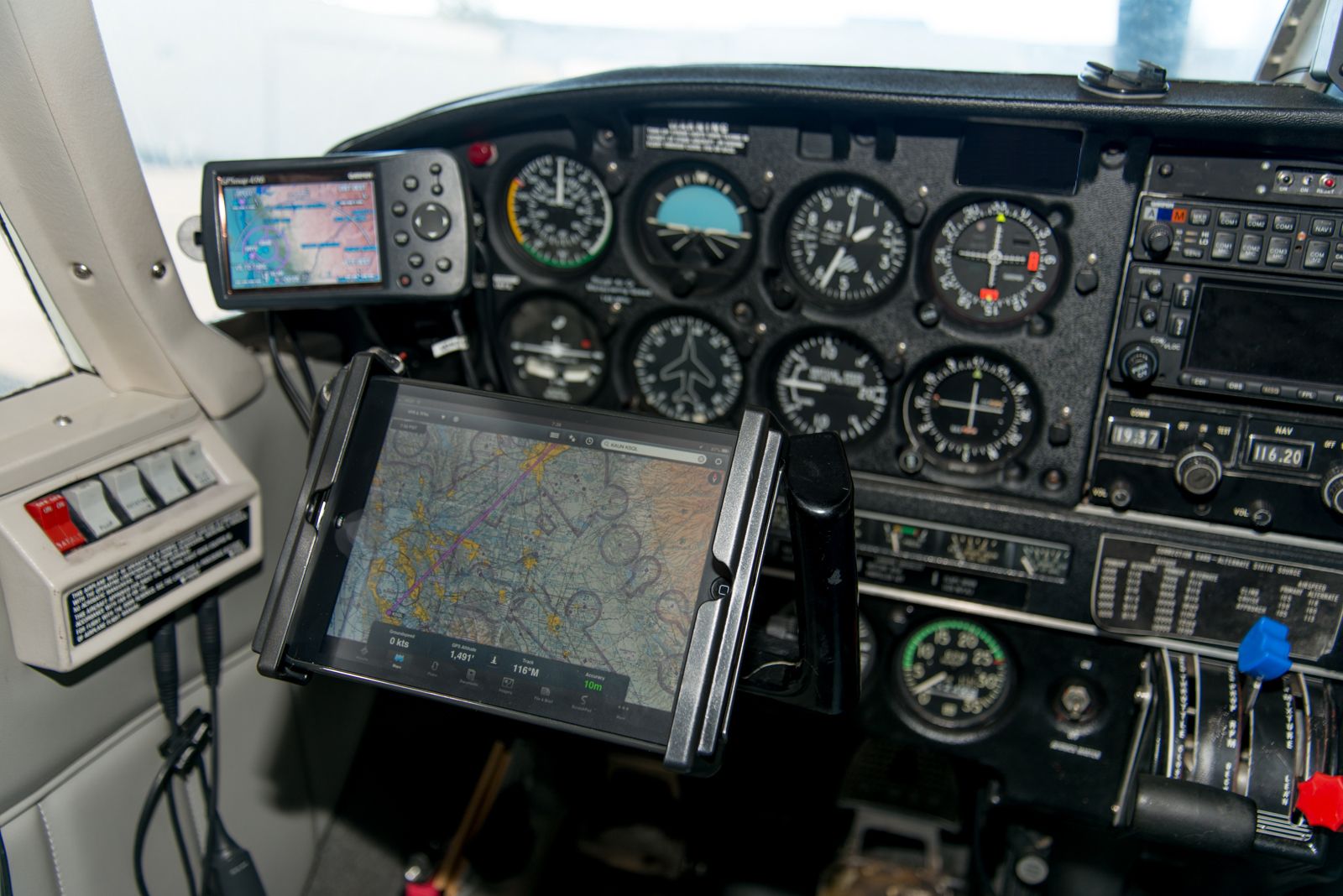
So just weighing options, a AOA is undoubted more useful in critical phases of flight than almost any other instrument, so if I could add one that does 90% of what the dual flying AOAs the work planes have, without adding much drag, crap on my panel, or weight, why not?
- NineThreeKilo offline
- Retired
- Posts: 1678
- Joined: Thu Dec 31, 2009 8:16 pm
- Location: _
Mon Oct 10, 2022 11:57 am
Re: 185 AoA & GI275??
Yep, per usual, it’s a matter of personal choices and priorities.
For perspective, I have both an airspeed indicator and one of these “AOA indicators” in my current airplane, neither of which I installed.
I don’t even glance at either during flight, other than in cruise. The airspeed is down in the panel, and that’s NOT where I’m looking while maneuvering, taking off or landing. The other has an indicator mounted on top of the panel, which just gets in the way. Trying to work up the bankroll to remove the POS.
So, here’s a test: look at the sensor for that “AOA device”. Mine looks remarkably like a pitot mast from a Piper Warrior, seriously….
So, if airspeed systems are so unreliable, how can a device that uses the same sensor do better? I realize there are different devices out there.
I don’t fly IMC these days. But, carry heavy loads, in a 185 on floats? I’ve done a lot of that, can’t recall ever looking at instruments much.
But, you’re right, it’s your plane, and your priorities.
MTV
For perspective, I have both an airspeed indicator and one of these “AOA indicators” in my current airplane, neither of which I installed.
I don’t even glance at either during flight, other than in cruise. The airspeed is down in the panel, and that’s NOT where I’m looking while maneuvering, taking off or landing. The other has an indicator mounted on top of the panel, which just gets in the way. Trying to work up the bankroll to remove the POS.
So, here’s a test: look at the sensor for that “AOA device”. Mine looks remarkably like a pitot mast from a Piper Warrior, seriously….
So, if airspeed systems are so unreliable, how can a device that uses the same sensor do better? I realize there are different devices out there.
I don’t fly IMC these days. But, carry heavy loads, in a 185 on floats? I’ve done a lot of that, can’t recall ever looking at instruments much.
But, you’re right, it’s your plane, and your priorities.
MTV
Mon Oct 10, 2022 12:07 pm
Re: 185 AoA & GI275??
mtv wrote:Yep, per usual, it’s a matter of personal choices and priorities.
For perspective, I have both an airspeed indicator and one of these “AOA indicators” in my current airplane, neither of which I installed.
I don’t even glance at either during flight, other than in cruise. The airspeed is down in the panel, and that’s NOT where I’m looking while maneuvering, taking off or landing. The other has an indicator mounted on top of the panel, which just gets in the way. Trying to work up the bankroll to remove the POS.
So, here’s a test: look at the sensor for that “AOA device”. Mine looks remarkably like a pitot mast from a Piper Warrior, seriously….
So, if airspeed systems are so unreliable, how can a device that uses the same sensor do better? I realize there are different devices out there.
I don’t fly IMC these days. But, carry heavy loads, in a 185 on floats? I’ve done a lot of that, can’t recall ever looking at instruments much.
But, you’re right, it’s your plane, and your priorities.
MTV
AOA and ASI are two different instruments and two different measures
They may look the same, but to many non aviation people a wing looks the same as a horizontal stabilizer, and we know those preform very differently from each other
Even in bigger stuff, it’s not uncommon to find folks who don’t really get the AOA, past just setting it because the checklist says “set 1.3 AOA” or “set 1.2 AOA” sadly many don’t really use the instrument, even though it’s miles better than a ASI
- NineThreeKilo offline
- Retired
- Posts: 1678
- Joined: Thu Dec 31, 2009 8:16 pm
- Location: _
Mon Oct 10, 2022 2:12 pm
Re: 185 AoA & GI275??
I ha s the King KLR 10 system in my 56 182...like it a lot...mounted on the glare shield left side so when on approach the display is perfectly presented...I use it in combination with attitude and feel....on a short files it’s one more quick input ...it’s been flawless....but...you have to fly the airplane to set the sensor limits...more than one flight...a two person job
- Airdave100 offline


- Posts: 126
- Joined: Sun Jun 08, 2014 6:10 pm
- Location: Fredericksburg
- Aircraft: 1956 Cessna 182....N5632B
Thu Oct 13, 2022 8:05 pm
Re: 185 AoA & GI275??
With thousands of hours in Cirrus’s, I scoffed at newer pilots putting AOA’s in their cirrus’s. Because hey, it’s easy to nail landings, what do you need that silly thing for?
Started flying a 185 a couple years ago, and after about 200 hrs in it, I’m still often flying it faster on short final than I need to based on “butt feeling” and using up more runway/water/snow/whatever
In the 185 I could be anywhere from 2,200 lbs to 3600 lbs depending how I’m loaded, which drastically affects stall speed.
I probably won’t feel this way once I have a lot more time in the bird, but I guess I now kinda understand where these guys were coming from.
I do find the “analog” stall horn in the cessna more useful than the “digital” stall horn in the Cirrus though.
Started flying a 185 a couple years ago, and after about 200 hrs in it, I’m still often flying it faster on short final than I need to based on “butt feeling” and using up more runway/water/snow/whatever
In the 185 I could be anywhere from 2,200 lbs to 3600 lbs depending how I’m loaded, which drastically affects stall speed.
I probably won’t feel this way once I have a lot more time in the bird, but I guess I now kinda understand where these guys were coming from.
I do find the “analog” stall horn in the cessna more useful than the “digital” stall horn in the Cirrus though.

DISPLAY OPTIONS
Who is online
Users browsing this forum: No registered users and 18 guests
Latest Features
-
-
Featured Bush Planes
As one of the undisputed legends of bush flying, the Cessna 180 hauls a…Read More -
Aircraft Ownership and Maintenance
9 modification mistakes aircraft owners make when trying to "bush out" their birds—why some…Read More -
Live to Tell
A Minnesota pilot is surprised to learn that the sudden asymmetric drag of an…Read More




Latest Knowledge Base
-
Destinations
Canada offers some of the most spectacular backcountry flying on the continent. Here's what you need to know before you go.Read More -
Safety and Survival
Hope that you never have to use your survival vest but knowing you have it and knowing how to use…Read More -
Destinations
A regional guide with ideas for winter camping destinations in California, Nevada, New Mexico, and Arizona.Read More -
Aircraft
Finding an affordable aircraft that can handle the backcountry for $80K or less? A challenge for sure, but with the…Read More



