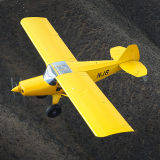
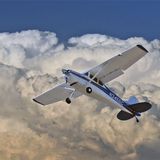
I'm building a Stinson 108 up here in Canuckistan. It's in the Canadian version of the experimental category. I'm planning to put it on floats and do the full chord droop tip conversion among other mods. I have purchased a low time O-540-B4B5 for it which is now being cleaned up.
My topic regards the weight of the beast. I'm trying to keep weight down for obvious reasons and when I was researching which engine to buy, the accepted wisdom was that the Conti O-470 is a good one but a lot heavier than the O-540. Some people claim up to 75 lbs heavier than the O-540.
Compression ratio is 7.2:1. At only 360 pounds, this engine is about 75 pounds lighter than the Continental O-470.
The O-470-R http://oceanair.ca/wp-content/uploads/2015/01/O470R_engine_specs.pdf specs state:
The O-470-R weighs in at a dry weight of 379.66 lbs. without accessories. The
weight of the engine with installed accessories is approximately 425 lbs.
But when I looked up the numbers for the O-540-B4B5 there are two numbers scattered across the intertubes in forums, sometimes both weights appear in the same post. lbs, dry weight: 395 and 366.
I think I found where the two numbers come from:
The 395 lbs dry number comes from the Lyc. operating manual (approved by the FAA): 4th Edition Part No. 60297-10.
The 366 lbs dry number comes from the FAA's TYPE CERTIFICATE DATA SHEET NO. E-295
If the former is right then there isn't nearly the weight savings that many claim. If the latter is right, then great. I have a much lighter engine. So which is it? Are they just the "with and without accessories" weights? Is the FAA right or is the FAA correct?
There is a hint that it might be the accessories because in the type sheet it states:
NOTE 11. Starters, generators, and alternators approved for use on these engines are listed in the latest revision of AVCO Lycoming Service Instruction No. 1154.
I'm so curious now, I may buy a scale just to weigh mine.




 That's the engine I should have put on my Bearhawk.