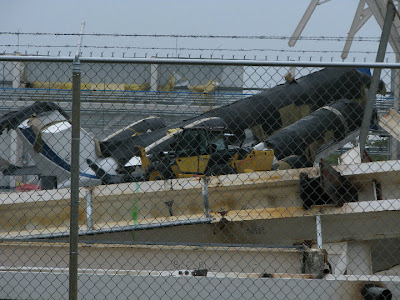
Stol wrote:In the Dulles fiasco. There were four damaged biz jets. 32 mil, 27 mil, 37 mil, 41 mil. That's a 103 million dollar claim. If the insurance company would have conceded the same day the hangar collapsed that all the aircraft were totaled and paid full price for replacement the next day, and written checks for that, plus loss of use for a few weeks till they could be replaced. The total cost would still be in the 125 million range, + or - a few million. Complete exposure for the insurance companies would be 130 mil MAX....I guess my question is ,,,,, How do you come up with a 400 + million dollar insurance company exposure

?
OK, I am back in the office and as promised...
Which company should have conceded the same day and paid the total losses plus a few weeks for replacement? The one that insured the FBO leasing the hangar space and responsible for the safety of the aircraft? The one who insured the architects and builders of the hangar who’s design and manufacture came into question? Or should it have been each company that insured the individual aircraft? It’s not as cut and dry as you would like it to be…although it would be nice if it were.
The $400 Mil insurance exposure comes from the estimated reserve limit set aside by the insurance companies to pay this claim. When a claim comes in, the adjustors try to determine what the total cost of the loss(es) could be and place a reserve amount on it. This reserve is (hopefully) a worse case figure, but they also try to make them as accurate as possible. Funds are then set aside for this claim and become "designated" meaning it is not to be used for budgeting, investing, etc. so that if the loss does hit the reserve the money is there to pay it. Many times the actual payout for a claim will end up lower than the reserve (this is good), but sometimes it comes in well more than the reserve as in the Corey Lidle case which is still ongoing.
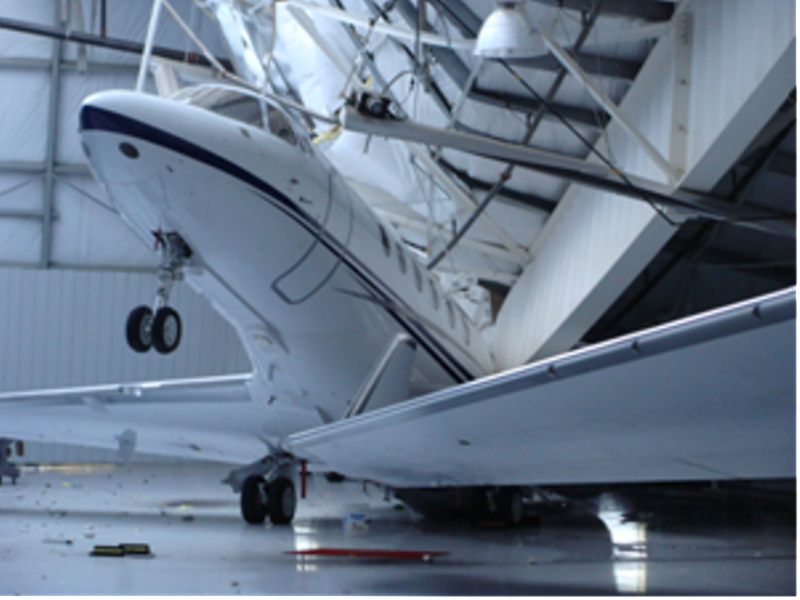
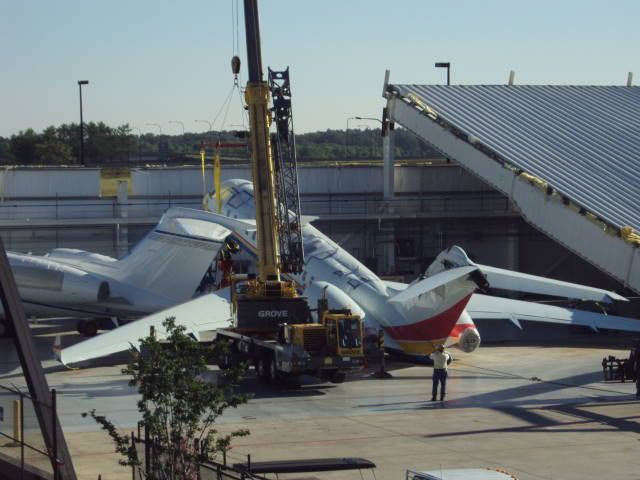
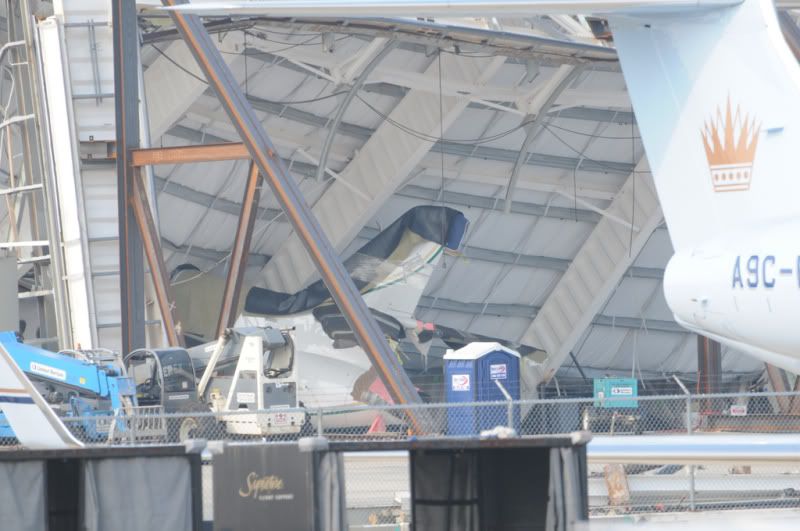
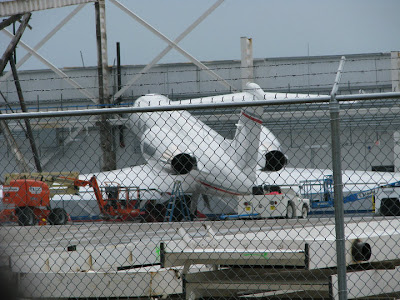
The reason that there is more than the $103 Million that you referenced is that there was more than just the aircraft you listed that were damaged and that’s because there was more than one hangar that collapsed.

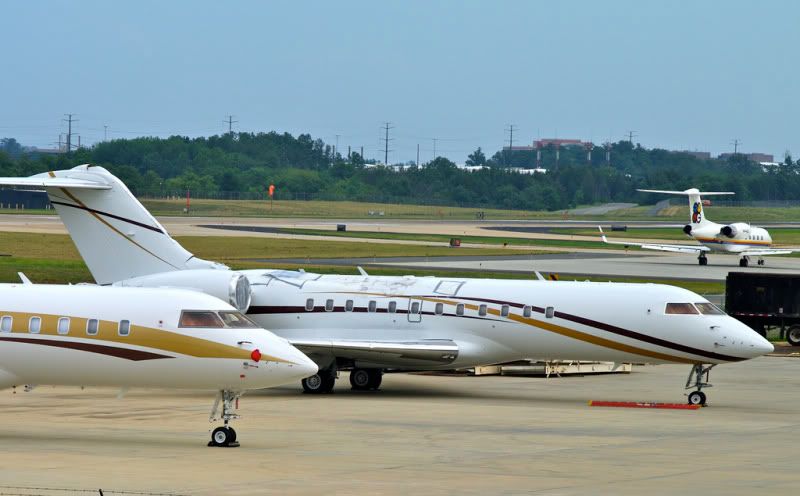
The Hangar Keepers Liability policy (for the FBO) had a $300 Million limit on it. The aircraft that were in the collapsed hangars and had claims filed on them (as was shared with me by various underwriters) were as follows:
(4) Global Express
(1) G-V
(1) G-IV
(2) Hawker 800
(1) Falcon 2000
(1) Falcon 900
(1) Beechjet
(1) Leer 45
(1) GA-50
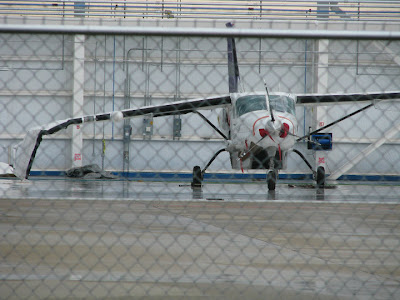
(1) Cessna Caravan
Now, take the information that I gave you earlier about ancillary coverages…not all of these aircraft were total loss so the extra expense comes into play as well as loss of business use while they recover the aircraft & repair the damage. Combine these coverages with the fact that these aircraft were owned by: Hilton, MicroStrategy, Kodak, Arcadia, FedEx, Corporate Air, BAE and other big companies who use the aircraft routinely and you can see how quickly the expenses will add up to more than just the cost of the damage to the aircraft.
The policy coverage for the hangar buildings themselves will also come into play and that is estimated at $50 Million, although comparatively it will be much less to repair than the aircraft.
Why not just bulldoze the hangars down and payout the total claims? Because the companies would lose all chance of salvage value from recovery if they did so and that does not benefit anyone. It is beneficial for all of us when they can recover some of their loss with the sale of salvage. Just because the airframe on a G-V is totaled does not mean that the engines, avionics, gear, etc is not still usable and worth a good bit of money. It may cost more in the short run to take their time with recovering the aircraft, but in the long run they may come out far better. This is one of the reason why the actual cost of a loss can take quite a while to determine.
For more information and an interview with the owner of Dulles Jet Center:
http://www.ainonline.com/news/single-ne ... ild-24080/


 The numbers I've seen shown a higher rate for about he first 100 hours or so. After that, Experimentals are pretty comparable to the rest of the GA fleet. My insurance rate (for a tailwheel experimental) is also in-line with rates for similar type certificated planes.
 . 40 is likely the more real number as you state. So our rates should be comprable since we are both 4 seats and TW.