Randy Johnston? Fordel? Im a farmer up here as well, he probably doesn't know who I am, but he definitely knows my dad Sean. If were talking about the same guy, he had a really nice Husky at one point, I took a ride in it with a friend.
Small world
mike
The most scared minute of my life
Mon Sep 23, 2013 2:14 pm
Mon Sep 23, 2013 2:25 pm
Re: The most scared minute of my life
182dude wrote:Randy Johnston? Fordel? Im a farmer up here as well, he probably doesn't know who I am, but he definitely knows my dad Sean. If were talking about the same guy, he had a really nice Husky at one point, I took a ride in it with a friend.
Small world
mike
Sorry, Randy Bettencourt. He started taking over his dad George's operation a couple years ago. Are you from Chowchilla or Firebaugh?
- bart offline
- Posts: 545
- Joined: Fri Aug 21, 2009 7:54 pm
- Location: Fresno, CA
- FindMeSpot URL: http://share.findmespot.com/shared/face ... 1ZTy9zAEWv
- Aircraft: Cessna 180
Mon Sep 23, 2013 2:29 pm
Re: The most scared minute of my life
I know George very well...I checked his fields when I was in high school. I have never met his son, but I hear he is a hell of a pilot, isn't he a chopper pilot? George does our pre irrigation on our alfalfa for us over here. I live in chowchilla, our farming operation is out here just north of Mendota, and the plane is based in Firebaugh. I actually saw George at lunch today here in town. Very small world
Mike
Mike
Mon Sep 23, 2013 2:46 pm
Re: The most scared minute of my life
Yep small world for sure! Randy flies planes too, he used to own a nice RV-8A but sold it before the move. He was working here and hooked me up with my current job flying crop dusting helicopters here in king city, but then left after a couple years for the farming gig.
Apparently George hardly ever comes to the ranch anymore, he's loving the retired life!!! And he deserves it
Apparently George hardly ever comes to the ranch anymore, he's loving the retired life!!! And he deserves it
- bart offline
- Posts: 545
- Joined: Fri Aug 21, 2009 7:54 pm
- Location: Fresno, CA
- FindMeSpot URL: http://share.findmespot.com/shared/face ... 1ZTy9zAEWv
- Aircraft: Cessna 180
Mon Sep 23, 2013 7:20 pm
Re: The most scared minute of my life
Ya know 182 dude, i would say u did well...i hate that feeling as well, been there also...dont beat yourself up...! never be ashamed/scared to throw in the towel and turn around/land somewhere friendly...thats taking control and will keep u alive...!

jomac
Mon Sep 23, 2013 9:12 pm
Re: The most scared minute of my life
Agreed. You made the right decision in the end - when it really counted - to break the chain of marginal or poor decisions. Good on you.
- soyAnarchisto offline

- Posts: 1977
- Joined: Fri Aug 19, 2011 1:23 pm
- Location: Boulder, CO
- Aircraft: 1955 Cessna 180
Tue Sep 24, 2013 10:26 am
Re: The most scared minute of my life
Great post. I'm curious if/ how you think your IFR training factored into things that day?
Thanks
Thanks
- denalipilot offline

- Posts: 2794
- Joined: Mon Oct 15, 2007 4:53 pm
- Location: Denali
- Aircraft: C-170B+
Tue Sep 24, 2013 11:39 am
Re: The most scared minute of my life
182 Dude, Ya did good, helluva recovery!!
Now you know you can do it!!
You have some real Flying in Conditions!! Some people fly for years and never get the experience you just did, RUN with it!!
Make the best of it.
Finish up the IR, Find some stuff with no Ice in it and GO FLY IT, You know you CAN!!
Keep at it, do it as much as you can, get Comfortable in it, You have a helluva a bird to practice in.
For awhile, File a IFR route and figure out how to do it!!
It's a great place out there, a few clouds keep a lot of people home!!
Be Careful, Continue to learn, as always BE SAFE, PRACTICE PRACTICE!
OH YES HAVE FUN DOIN IT!!

Now you know you can do it!!
You have some real Flying in Conditions!! Some people fly for years and never get the experience you just did, RUN with it!!
Make the best of it.
Finish up the IR, Find some stuff with no Ice in it and GO FLY IT, You know you CAN!!
Keep at it, do it as much as you can, get Comfortable in it, You have a helluva a bird to practice in.
For awhile, File a IFR route and figure out how to do it!!
It's a great place out there, a few clouds keep a lot of people home!!
Be Careful, Continue to learn, as always BE SAFE, PRACTICE PRACTICE!
OH YES HAVE FUN DOIN IT!!
- M6RV6 offline
- Posts: 2313
- Joined: Mon Feb 25, 2008 5:52 pm
- Location: Rice Wa. 82WN Magee Creek AERODROME
- FindMeSpot URL: http://share.findmespot.com/shared/face ... sWKXuhKlg2
Have as much Fun as is Safe, and Keep SMILIN! GT,
Tue Sep 24, 2013 12:10 pm
Re: The most scared minute of my life
It's amazing how the comfort level can change with a bit of time and experience.
My first season up in Barrow in the C206 I would literally walk from the pilot house to the airport each morning, looking around and consciously thinking this would be my last day on earth, and that the weather was going to kill me. Fog, fog, and more fog, high winds, and icing conditions.
A couple years and a few thousand hours later down in Kotz, the same conditions that puckered me so bad further north wouldn't even register. It'd be business as usual, me 'n Hoser the Wonder Dog getting a $ buck a minute to fly a Sled full of Pepsi across the tundra. Life was good, and fun.
Now icing other than trace... In a small airplane with no anti-ice. Not fun, and one of the very few things in an airplane that I never got over my fear of. Way too many times coming in with everything on the panel shoved full forward and then some, airspeed decaying down to the no-more-fly zone for the wing, and FSS making a magic mile appear on the radio, and me sitting there hoping I didn't just fall to the ground for another 30 seconds.
That shit gave me sewing-machine foot once I got parked on the ramp and shut down. Every single time.
Gump
My first season up in Barrow in the C206 I would literally walk from the pilot house to the airport each morning, looking around and consciously thinking this would be my last day on earth, and that the weather was going to kill me. Fog, fog, and more fog, high winds, and icing conditions.
A couple years and a few thousand hours later down in Kotz, the same conditions that puckered me so bad further north wouldn't even register. It'd be business as usual, me 'n Hoser the Wonder Dog getting a $ buck a minute to fly a Sled full of Pepsi across the tundra. Life was good, and fun.
Now icing other than trace... In a small airplane with no anti-ice. Not fun, and one of the very few things in an airplane that I never got over my fear of. Way too many times coming in with everything on the panel shoved full forward and then some, airspeed decaying down to the no-more-fly zone for the wing, and FSS making a magic mile appear on the radio, and me sitting there hoping I didn't just fall to the ground for another 30 seconds.
That shit gave me sewing-machine foot once I got parked on the ramp and shut down. Every single time.
Gump
Tue Sep 24, 2013 1:26 pm
Re: The most scared minute of my life
GumpAir wrote:
That shit gave me sewing-machine foot once I got parked on the ramp and shut down. Every single time.
Gump
GUMP I have never heard that leg not wanting to stay on the floor explained in quite that word before!!
BUT X 2 or 3 on trying to make it quit!!
Sure is nice to have good guys in the FSS office!!, saves a lot of NASA forms!!
- M6RV6 offline
- Posts: 2313
- Joined: Mon Feb 25, 2008 5:52 pm
- Location: Rice Wa. 82WN Magee Creek AERODROME
- FindMeSpot URL: http://share.findmespot.com/shared/face ... sWKXuhKlg2
Have as much Fun as is Safe, and Keep SMILIN! GT,
Tue Sep 24, 2013 2:24 pm
Re: The most scared minute of my life
Denali Pilot
To answer your question, my training came in extremely handy on saturday. All my buddies have IR so i have quite a bit of time flying in the pingpong ball with them, in the system, probably more time in it then most instrument students.
How the training came into play:
I was flying the plane VMC when i encountered this, i wasnt using the "scan" i made a course reversal in VMC, so i punched into the clouds while i wasnt looking at the panel. Thats when it got terrifying, because the first thing i though was wow this is going to be very hard to catch up with now. Some of my IR buddies agree even with the rating, thats a tough situation because it is an "event" not a "non event" like being in it the whole time in the system with the plan already laid out.
Once i quit feeling helpless and that i was going to end it...
Upon my realization that i was going to be in IMC for a while, i glued myself to the panel, quit trying to look outside at the ice on my wings, struts etc. got to the scan, regained my situational awareness with the guages and stabilized the plane with rudder, power and trim. No aileron, no death grip on the wheel! This has been drilled into my head from day one of IR training...feel the plane dont manhandle it. My instructor also emphasizes the use of your available tools to make it easier, this is when i decided to use the auto pilot, and my heading bug, as well as my vertical speed mode. I coupled the autopilot and confirmed that i was indeed doing what the ap said i was doing. At this point i realized that i was stabilized and kept on with the scan, kept my hands in the lap, started to perform tasks such as getting my manifold pressure back up, so i didnt shock cool the engine, but kept with the scan. Pulled out my IPAD which i have IFR lows and highs on, made sure i wasnt going to descend through the MEA on my current heading and continued. It was at this point that the ice was leaving my airframe, and i was in and out of the bases. I knew i had made it, and i couldnt believe how once i got back on the wagon, and put my IR training to use the situation got much easier to handle and i calmed down quite a bit through the descent. The controllers also had a very good hold on my situation and my location, they did a great job in keeping things going...they checked on me frequently i told them i have no rating, but im very close.
To sum it all up, the IR training and how close i am to being done with the rating saved my life on saturday. The short answer is that it made me handle the situation, i knew how to do it, ive been in the pingpong ball before. It scared me because it was inadvertent, and i was SOLO i didnt have my instructor telling me not to do this or do this. I didnt have my buddy telling me im doing a good job....in essence it was my solo!
I will admit i do think subconciously i may have continued farther than i should have possibly because of the instrument training...i dont remember thinking "ill get out of this no problem if shit happens" but subconciously that could have been going on...i do not know the answer to that.
The minute and a half of terror was from entering the IMC to when i stabilized the descent and realized i could couple the AP and get back to keeping my engine happy and getting my IFR charts spooled up.
To answer your question, my training came in extremely handy on saturday. All my buddies have IR so i have quite a bit of time flying in the pingpong ball with them, in the system, probably more time in it then most instrument students.
How the training came into play:
I was flying the plane VMC when i encountered this, i wasnt using the "scan" i made a course reversal in VMC, so i punched into the clouds while i wasnt looking at the panel. Thats when it got terrifying, because the first thing i though was wow this is going to be very hard to catch up with now. Some of my IR buddies agree even with the rating, thats a tough situation because it is an "event" not a "non event" like being in it the whole time in the system with the plan already laid out.
Once i quit feeling helpless and that i was going to end it...
Upon my realization that i was going to be in IMC for a while, i glued myself to the panel, quit trying to look outside at the ice on my wings, struts etc. got to the scan, regained my situational awareness with the guages and stabilized the plane with rudder, power and trim. No aileron, no death grip on the wheel! This has been drilled into my head from day one of IR training...feel the plane dont manhandle it. My instructor also emphasizes the use of your available tools to make it easier, this is when i decided to use the auto pilot, and my heading bug, as well as my vertical speed mode. I coupled the autopilot and confirmed that i was indeed doing what the ap said i was doing. At this point i realized that i was stabilized and kept on with the scan, kept my hands in the lap, started to perform tasks such as getting my manifold pressure back up, so i didnt shock cool the engine, but kept with the scan. Pulled out my IPAD which i have IFR lows and highs on, made sure i wasnt going to descend through the MEA on my current heading and continued. It was at this point that the ice was leaving my airframe, and i was in and out of the bases. I knew i had made it, and i couldnt believe how once i got back on the wagon, and put my IR training to use the situation got much easier to handle and i calmed down quite a bit through the descent. The controllers also had a very good hold on my situation and my location, they did a great job in keeping things going...they checked on me frequently i told them i have no rating, but im very close.
To sum it all up, the IR training and how close i am to being done with the rating saved my life on saturday. The short answer is that it made me handle the situation, i knew how to do it, ive been in the pingpong ball before. It scared me because it was inadvertent, and i was SOLO i didnt have my instructor telling me not to do this or do this. I didnt have my buddy telling me im doing a good job....in essence it was my solo!
I will admit i do think subconciously i may have continued farther than i should have possibly because of the instrument training...i dont remember thinking "ill get out of this no problem if shit happens" but subconciously that could have been going on...i do not know the answer to that.
The minute and a half of terror was from entering the IMC to when i stabilized the descent and realized i could couple the AP and get back to keeping my engine happy and getting my IFR charts spooled up.
Tue Sep 24, 2013 3:10 pm
Re: The most scared minute of my life
I also feel that being in the C182 which is regarded as one of the most if not the most stable IFR platform available had a big part in this as well. Ive also been told they can carry a load of ice...well now i know they can.
Mike
Mike
Tue Sep 24, 2013 8:53 pm
Re: The most scared minute of my life
i swear gumps post has the makings of a cool country tune for sure.....!
jomac
Tue Sep 24, 2013 10:16 pm
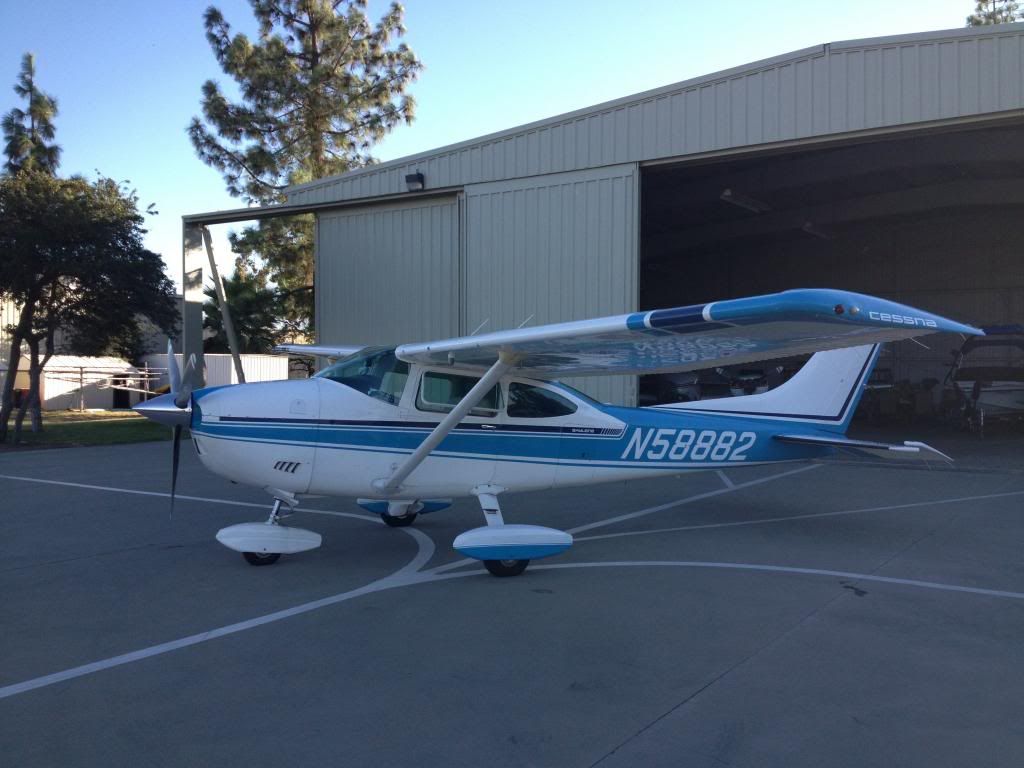
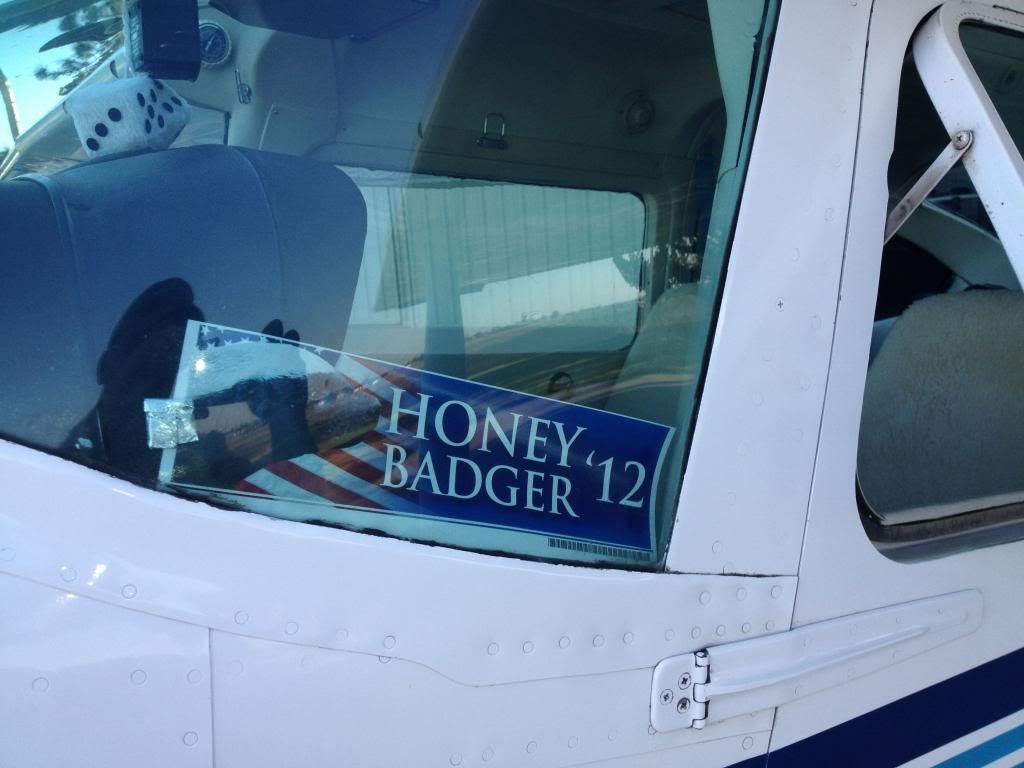
Wed Sep 25, 2013 6:19 am
Re: The most scared minute of my life
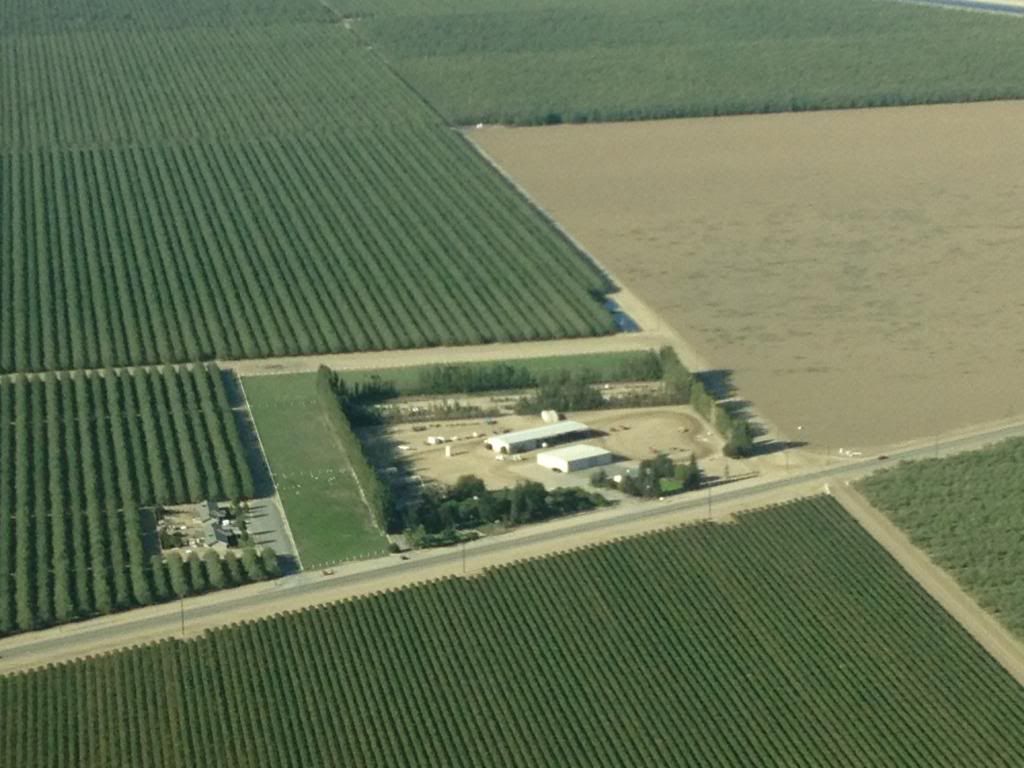
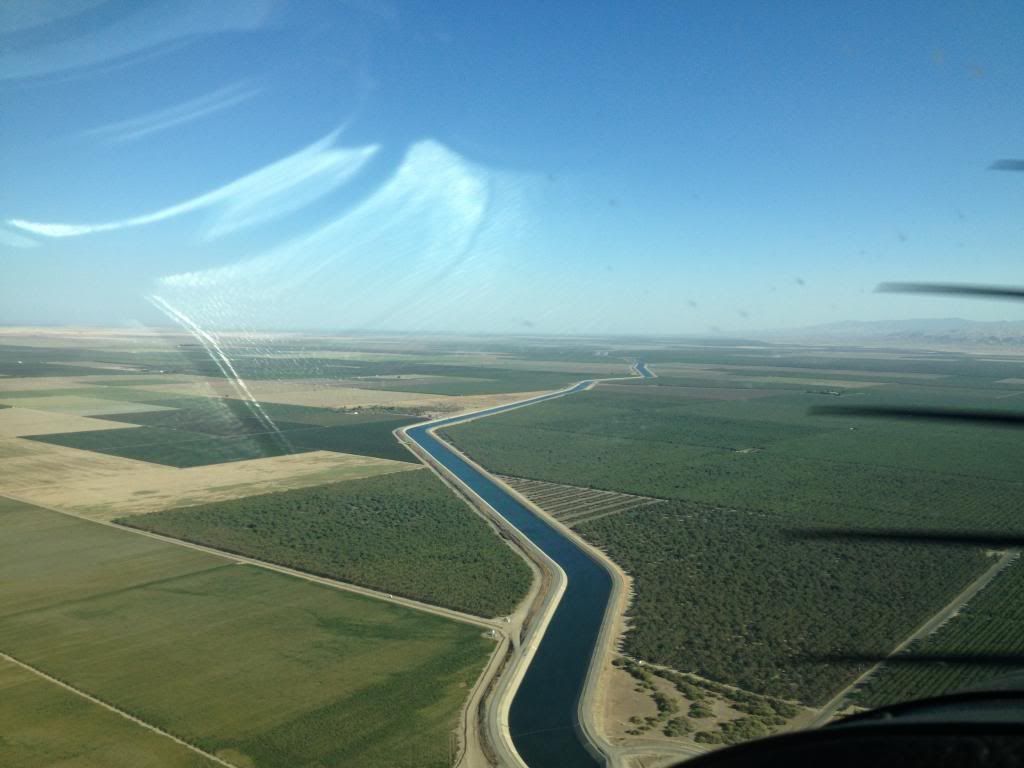
I love your grass strip!
- OregonMaule offline
- Posts: 6986
- Joined: Fri Sep 01, 2006 9:44 pm
- Location: Orygun
My SPOT page
"They who can give up essential liberty to obtain a little temporary safety, deserve neither liberty nor safety". Ben Franklin
http://en.wikiquote.org/wiki/Benjamin_Franklin
"They who can give up essential liberty to obtain a little temporary safety, deserve neither liberty nor safety". Ben Franklin
http://en.wikiquote.org/wiki/Benjamin_Franklin
Wed Sep 25, 2013 8:14 am
Re: The most scared minute of my life
Fuzzy Dice hangin on the rear view mirror.
Got a Love it
Got a Love it
- M6RV6 offline
- Posts: 2313
- Joined: Mon Feb 25, 2008 5:52 pm
- Location: Rice Wa. 82WN Magee Creek AERODROME
- FindMeSpot URL: http://share.findmespot.com/shared/face ... sWKXuhKlg2
Have as much Fun as is Safe, and Keep SMILIN! GT,
Wed Sep 25, 2013 8:19 am
Re: The most scared minute of my life
You must have led a charmed life to not have more go wrong in flying. There were days in Alaska, just like Gump said, pissy to crappy weather all the time. Alternates 500 miles away, usually with the same crap. You did the right thing, confess you have a problem and communicated with the right people and it turned out well. No need to be scared of flying, just the ride home in the car. What you should think of now is getting and staying current with an instrument rating, it may improve your insurance rates as well.
Personally, I find most small aircraft to be marginal IFR performers, especially if the air is moving around. I look at it this way, I won't intentionally launch into IFR, unless its just layers in small aircraft. I do like the aircraft to be equipped if I get caught flat footed and the weather closes in on me. Like my flare gun, always have it, rarely use it.
Since I've had enough engine failures, I've decided to get my glider rating this fall, might as well, 5 more landings and I've got it. After that, I think zeppelin rating, while they don't use hot air to fly, I may be able to improve their performance with mine.
Personally, I find most small aircraft to be marginal IFR performers, especially if the air is moving around. I look at it this way, I won't intentionally launch into IFR, unless its just layers in small aircraft. I do like the aircraft to be equipped if I get caught flat footed and the weather closes in on me. Like my flare gun, always have it, rarely use it.
Since I've had enough engine failures, I've decided to get my glider rating this fall, might as well, 5 more landings and I've got it. After that, I think zeppelin rating, while they don't use hot air to fly, I may be able to improve their performance with mine.
Wed Sep 25, 2013 8:30 am
Re: The most scared minute of my life
Most experienced IR pilots immediately go to the gauges whenever the vis drops--no delays, and no misguided efforts to maintain visual with the ground. It's the attempt to keep visual cues going that gets most into trouble, along with relying on body cues, none of which are reliable in the soup.
While I think you did the right thing to switch on Otto under your circumstances, it's really important to remember that you may not have an Otto to rely on every time. If there's one item most prone to failure in light aircraft, it's the autopilot--and of course, many aren't equipped with one. So being able to handle inadvertent IMC by hand-flying is critical.
I think I've described this event before here, but it's worth repeating. My first start-to-finish private student was a pretty good "stick" very quickly, but he was also arrogant--thought he was better than he was. We'd completed the mandatory 3 hours of IFR training, and he had handled it extremely well--too well, because he just couldn't fathom how difficult flying in actual IMC could be. It was time to do his long dual cross country, and he wanted to go to Jackson, WY--much longer than necessary, but it was his money, and I like going to Jackson. So we loaded up, his wife in the back seat, heading northwest. But as we passed Riverton, it was obvious that we weren't going to make it VFR, as the vis was rapidly dropping. We had some discussion about the lowered vis and he asked if we couldn't file IFR, but there was no way of getting the 172 up to 14,000', the MEA, or 13,500', the MOCA. So I waited while he cogitated and the vis dropped more, and I was actually a bit surprised when he did a 180 back toward better VMC. I then took the controls, told him to plot a course to Casper, and we flew there for lunch.
At Casper, I filed IFR to get back to Laramie, anticipating that we would puncture a cloud or two on the way home, and we did. Soon after passing over Casper Mountain, we were into in-and-out IMC, where the ground was still occasionally visible and the straight line vis ranged from a mile or so down to nothing. Initially he did well, for all of about 30 seconds, when he banked left and loss a little altitude. I tapped his shoulder and the AI, and he immediately regained control. But soon it happened again, I again got his attention, and again he righted the airplane.
So I called Denver Center for a block altitude, and told the controller that this was a training flight so to expect large deviations of altitude and track. My student couldn't hear my comments, because this was in the dark ages before headsets and intercoms were common.
It was obvious to me that my student's focus was divided between the panel and what he could see out of the lower left edge of the windshield. Soon he started to bank again, and this time I didn't say anything. Within seconds the airplane was in a relatively steep dive, turning to the left--the classic grave yard spiral. I let it go until we were almost turned north and had lost a few hundred feet before saying something like, "you might want to get back on course and altitude." He immediately did an unusual attitude recovery, turned around and climbed back to the altitude--but he was visibly shaken. He asked what had happened, and I told him that he needed to stop looking out the window and concentrate on the gauges.
For the next few minutes, he did well, but he was sweating--and it wasn't hot in the airplane. Finally, he admitted that he was overwhelmed and asked if I would take over, so I did. About 20 minutes out of Laramie, we were in good VMC again, and he took over and finished the flight.
What happened to him, and what happened to you, have the common elements of not immediately getting onto the gauges and staying there. As you develop more experience in actual IMC, you'll find that it's easy to momentarily divert your attention to other things and still maintain the necessary scan of the flight gauges--you'll be able to monitor the engine gauges, the struts and leading edges for ice, the chart for in-flight planning, the approach charts to brief for the approach, etc., without losing control. But that comes with practice, and until then, you must concentrate on scanning the gauges without fixating on any particular gauge.
So keep at it, get the IR, and then fly as often as you can in the system so that it all becomes second nature.
Cary
While I think you did the right thing to switch on Otto under your circumstances, it's really important to remember that you may not have an Otto to rely on every time. If there's one item most prone to failure in light aircraft, it's the autopilot--and of course, many aren't equipped with one. So being able to handle inadvertent IMC by hand-flying is critical.
I think I've described this event before here, but it's worth repeating. My first start-to-finish private student was a pretty good "stick" very quickly, but he was also arrogant--thought he was better than he was. We'd completed the mandatory 3 hours of IFR training, and he had handled it extremely well--too well, because he just couldn't fathom how difficult flying in actual IMC could be. It was time to do his long dual cross country, and he wanted to go to Jackson, WY--much longer than necessary, but it was his money, and I like going to Jackson. So we loaded up, his wife in the back seat, heading northwest. But as we passed Riverton, it was obvious that we weren't going to make it VFR, as the vis was rapidly dropping. We had some discussion about the lowered vis and he asked if we couldn't file IFR, but there was no way of getting the 172 up to 14,000', the MEA, or 13,500', the MOCA. So I waited while he cogitated and the vis dropped more, and I was actually a bit surprised when he did a 180 back toward better VMC. I then took the controls, told him to plot a course to Casper, and we flew there for lunch.
At Casper, I filed IFR to get back to Laramie, anticipating that we would puncture a cloud or two on the way home, and we did. Soon after passing over Casper Mountain, we were into in-and-out IMC, where the ground was still occasionally visible and the straight line vis ranged from a mile or so down to nothing. Initially he did well, for all of about 30 seconds, when he banked left and loss a little altitude. I tapped his shoulder and the AI, and he immediately regained control. But soon it happened again, I again got his attention, and again he righted the airplane.
So I called Denver Center for a block altitude, and told the controller that this was a training flight so to expect large deviations of altitude and track. My student couldn't hear my comments, because this was in the dark ages before headsets and intercoms were common.
It was obvious to me that my student's focus was divided between the panel and what he could see out of the lower left edge of the windshield. Soon he started to bank again, and this time I didn't say anything. Within seconds the airplane was in a relatively steep dive, turning to the left--the classic grave yard spiral. I let it go until we were almost turned north and had lost a few hundred feet before saying something like, "you might want to get back on course and altitude." He immediately did an unusual attitude recovery, turned around and climbed back to the altitude--but he was visibly shaken. He asked what had happened, and I told him that he needed to stop looking out the window and concentrate on the gauges.
For the next few minutes, he did well, but he was sweating--and it wasn't hot in the airplane. Finally, he admitted that he was overwhelmed and asked if I would take over, so I did. About 20 minutes out of Laramie, we were in good VMC again, and he took over and finished the flight.
What happened to him, and what happened to you, have the common elements of not immediately getting onto the gauges and staying there. As you develop more experience in actual IMC, you'll find that it's easy to momentarily divert your attention to other things and still maintain the necessary scan of the flight gauges--you'll be able to monitor the engine gauges, the struts and leading edges for ice, the chart for in-flight planning, the approach charts to brief for the approach, etc., without losing control. But that comes with practice, and until then, you must concentrate on scanning the gauges without fixating on any particular gauge.
So keep at it, get the IR, and then fly as often as you can in the system so that it all becomes second nature.
Cary
"I have slipped the surly bonds of earth..., put out my hand and touched the face of God." J.G. Magee
Wed Sep 25, 2013 9:32 am
Re: The most scared minute of my life
As you develop more experience in actual IMC, you'll find that it's easy to momentarily divert your attention to other things and still maintain the necessary scan of the flight gauges--you'll be able to monitor the engine gauges, the struts and leading edges for ice, the chart for in-flight planning, the approach charts to brief for the approach, etc., without losing control.
Exactly...
The vast, vast, vast majority of my instrument time was hand flown. I'm betting I have only 1,500 hours or so total time in airplanes equipped with FMS or autopilots. Most of my hand flown time was in Sleds (C207's) slogging along IFR while VFR, making my own way where ever I needed to go.
You will find that your attitude instrument flying suddenly "clicks." You'll go from having to devote a huge amount of brain power and concentration keeping the airplane upright, and on altitude and heading, to suddenly discovering that the airplane flys itself like on rails, and your brain is freed up to navigate, communicate, and groove on the tunes coming over the ADF.
It's a Zen moment when you get there. And once you do, that shit suddenly becomes fun and a complete non-event.
Keep plugging away, and get as much actual as you can.
And as far as C182's handling ice... A couple minutes in actual with some ice picked up really doesn't tell you much. Each icing encounter is different, and your airplane will not behave the same depending on how it accumulates. A rule of thumb for the Cessnas, single-engine 100 and 200 series except for the Caravan, is to never let your airspeed bleed down below 80 KTS. As the ice slows your airspeed down, maintain level flight while your speed decays to 80 KTS, then resign yourself to maintain that 80 KTS and descend as the airplane wants to. Increasing AOA, and decreasing airspeed below 80 KTS sets you up to die in a stall you can't recover from. Plan on hitting the ground at the 80 KTS under control instead.
This, of course, is relevant only in a situation where you can't escape the icing. Prevention and avoidance is your true protection.
Gump
Wed Sep 25, 2013 9:40 am
Re: The most scared minute of my life
Cary wrote:I think I've described this event before here, but it's worth repeating.
You have and it is. There is enough turn over here that this one is worth posting from time to time. It's a great illustration.
- rw2 offline
- Posts: 1799
- Joined: Sat Dec 22, 2012 1:10 pm
- Location: San Miguel de Allende
- FindMeSpot URL: https://share.delorme.com/LaNaranjaDanzante
- Aircraft: Experimental Maule
Follow my Flying, Cooking and Camping adventures at RichWellner.com
DISPLAY OPTIONS
Who is online
Users browsing this forum: No registered users and 5 guests
Latest Features
-
-
Featured Bush Planes
As one of the undisputed legends of bush flying, the Cessna 180 hauls a…Read More -
Aircraft Ownership and Maintenance
9 modification mistakes aircraft owners make when trying to "bush out" their birds—why some…Read More -
Live to Tell
A Minnesota pilot is surprised to learn that the sudden asymmetric drag of an…Read More


Latest Knowledge Base
-
Destinations
Canada offers some of the most spectacular backcountry flying on the continent. Here's what you need to know before you go.Read More -
Safety and Survival
Hope that you never have to use your survival vest but knowing you have it and knowing how to use…Read More -
Destinations
A regional guide with ideas for winter camping destinations in California, Nevada, New Mexico, and Arizona.Read More -
Aircraft
Finding an affordable aircraft that can handle the backcountry for $80K or less? A challenge for sure, but with the…Read More