. Does anyone out there have experience with this? Living in western Washington we often have a marine layer with blue skies less than 1000' fit up and plenty of VFR elsewhere so this is my main motivation.
Instrument Training Question
Fri Dec 13, 2024 12:50 pm
Instrument Training Question
I have an experimental Cub with a glass panel and no instruments in the back seat. I am hoping to get instrument rated but doubted that there are instructors out there who would be willing to train in my plane. I thought about offering to give them opera glasses so they can see the panel from the back seat but I'm guessing this wouldn't "fly" either . Does anyone out there have experience with this? Living in western Washington we often have a marine layer with blue skies less than 1000' fit up and plenty of VFR elsewhere so this is my main motivation.
. Does anyone out there have experience with this? Living in western Washington we often have a marine layer with blue skies less than 1000' fit up and plenty of VFR elsewhere so this is my main motivation.- NXCub Driver offline
- Posts: 4
- Joined: Thu Dec 29, 2022 7:33 pm
- Location: Olympia
- Aircraft: Cubcrafters NX Cub
Fri Dec 13, 2024 2:02 pm
Re: Instrument Training Question
you could probably get training in your plane. but id be asking flight examiners about the flight test in your plane.
if they saw YA then go for it.
call your closest flight school or try to find a local freelance instructor.
if they saw YA then go for it.
call your closest flight school or try to find a local freelance instructor.
Fri Dec 13, 2024 4:17 pm
Re: Instrument Training Question
^yup
How much of the panel can you see from the back?
Can one see a CDI, att, ASI, Alt? even if just on a back up instrument?
Hard to say with all the different combos and styles of glass panels these days
But the last poster is spot on
The first and hardest part would be finding a DPE who’s game, I’d start there and work your way back from that.
Maybe get a photo or something from the back with you up front and the avionics on
How much of the panel can you see from the back?
Can one see a CDI, att, ASI, Alt? even if just on a back up instrument?
Hard to say with all the different combos and styles of glass panels these days
But the last poster is spot on
The first and hardest part would be finding a DPE who’s game, I’d start there and work your way back from that.
Maybe get a photo or something from the back with you up front and the avionics on
- NineThreeKilo offline
- Retired
- Posts: 1678
- Joined: Thu Dec 31, 2009 8:16 pm
- Location: _
Fri Dec 13, 2024 8:57 pm
Re: Instrument Training Question
put a g5 up on the left wing root panel
Sat Dec 14, 2024 3:58 pm
Re: Instrument Training Question
Actually, your first question should be: Does your airplane meet the criteria for "instrument flight", as in all required instrumentation/radios, etc.
And, then, as noted earlier, good luck finding an instructor, and especially a DPE.
MTV
And, then, as noted earlier, good luck finding an instructor, and especially a DPE.
MTV


Sat Dec 14, 2024 5:07 pm
Re: Instrument Training Question
mtv wrote:Actually, your first question should be: Does your airplane meet the criteria for "instrument flight", as in all required instrumentation/radios, etc.
And, then, as noted earlier, good luck finding an instructor, and especially a DPE.
MTV
I’d wager a newer NX CC with glass probably is more than adequate instrument wise, remember you don’t need “green needles” anymore, one can do the whole ride in a WAAS GPS plane using a LPV to act as a precision IAP (vs a ILS).
Lots of those NXs have way more panel than most will every need, but for almost half a mil bucks for a cub, gotta have some sparkle

Example
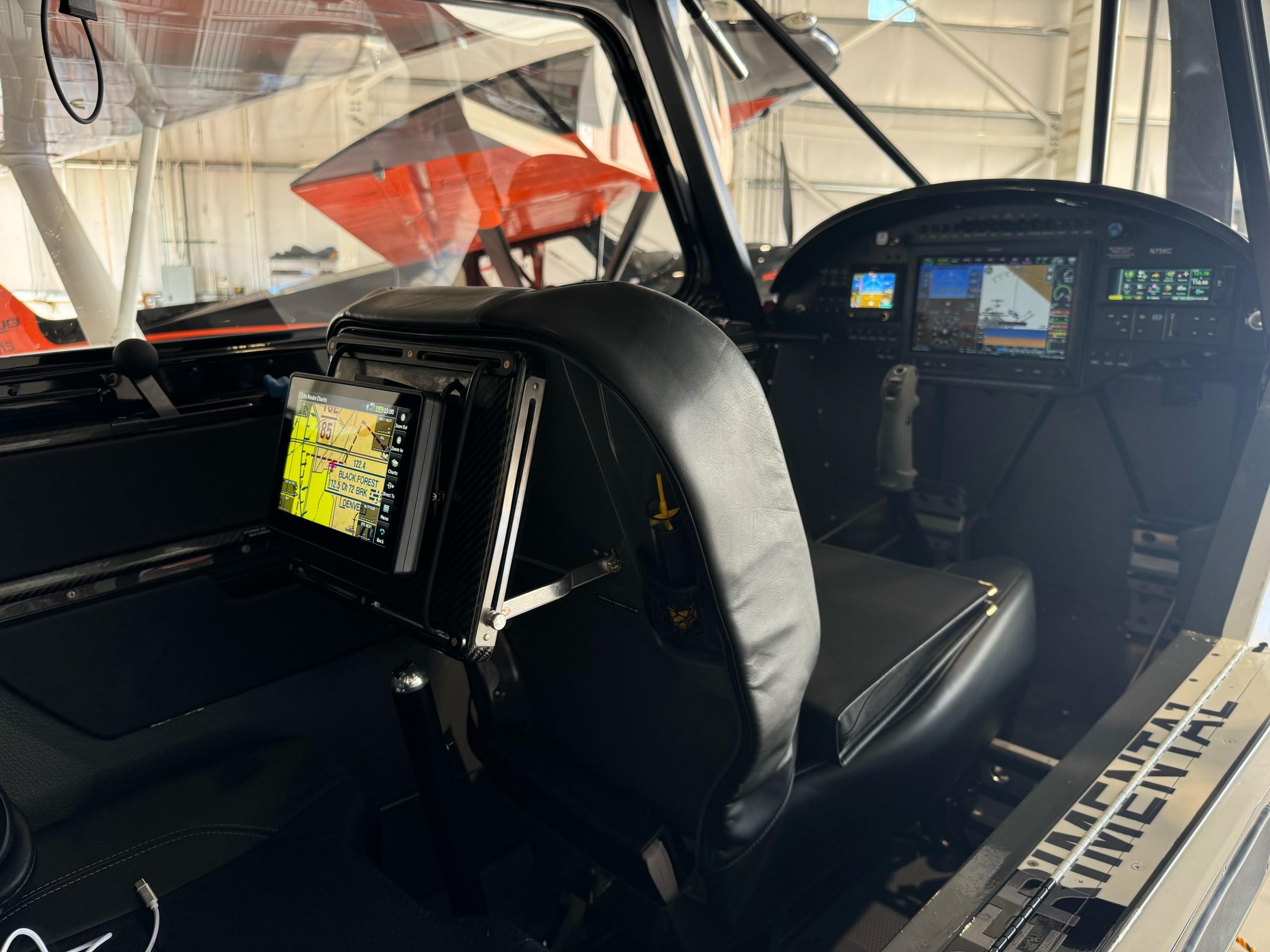
Instructors would be easier, lots just want the hours and money, especially since his is a trike.
My biggest worry with newer IIs is them is knowing the systems, lots and lots of the younger CFIIs don’t understand the newer tech, they know what they learned on and have almost zero desire to use their own time to expand their knowledge beyond what’s the min required
As a more experienced instructor I’d have no issue with a panel like in that photo as long as the student was not super wide.
The big issue is going to be CFII cant touch the panel, so that’s going to end up burning some time as you’ll also have to be my hands when I want to show you something “push the bottom right button, ahh no the one under that, yeah, push it twice” vs my just demonstrated and you watching and learning, so they’ll be a few hours burned there, but as it’s your plane that’s just CFII pay, seeing you have a CC guessing they won’t be too much of a factor, but something to keep in mind. If you train in IMC you’ll also really want a II who is well ahead of the plane with that setup
His biggest issue is going to be a making well into the 6 figures DPE, who is much more risk adverse, be cool with doing a ride from the back
He should start off calling some DPEs, ideally of who the instructors know and use, if not off the FAA site
https://designee.faa.gov/designeeLocator
Keep in mind though, DPEs are no longer bound to the fences of their FSDO, so a WA DPE may be in FL for the winter and a FL DPE may be in WA for the summer
OP do you have that rear head rest panel thing?
- NineThreeKilo offline
- Retired
- Posts: 1678
- Joined: Thu Dec 31, 2009 8:16 pm
- Location: _
Sun Dec 15, 2024 6:33 am
Re: Instrument Training Question
NXCub Driver wrote:I have an experimental Cub with a glass panel and no instruments in the back seat. I am hoping to get instrument rated but doubted that there are instructors out there who would be willing to train in my plane. I thought about offering to give them opera glasses so they can see the panel from the back seat but I'm guessing this wouldn't "fly" either
As an instrument instructor, I first and foremost commend you on making the decision to obtain the instrument rating. For initial training, I recommend using a more traditional instrument training platform to obtain your initial qualification and rating. I say this for two reasons, IMO your training will be of better quality and your availability of willing qualified instructors and DPE's will be greatly increased. Once you have the rating, it will be much easier to find an appropriate instructor to tailor training to your current platform. This building block approach is well proven in practice. A strong foundation built of fundamental knowledge and skillsets affords an easier transition to more complex operating systems.
In scenarios such as yours, a process that may appear to be slower is in reality faster in reaching your objective.
TR
Mon Dec 16, 2024 7:17 am
Re: Instrument Training Question
Agree completely. As a TW and CFI-I, I agree. I use my Stinson well-equipped for IR and TW training. It's one of the reasons why I purchased and have upgraded this excellent side-by-side platform.
Last edited by 48Stinson1083 on Tue Dec 17, 2024 8:14 am, edited 1 time in total.
- 48Stinson1083 offline
- Posts: 90
- Joined: Wed Feb 09, 2022 4:19 pm
- Location: Maple Valley
- Aircraft: Stinson 108-3
Mon Dec 16, 2024 9:35 am
Re: Instrument Training Question
There is however something to be said for training in what you’re going to be doing the actual instrument flying in
- NineThreeKilo offline
- Retired
- Posts: 1678
- Joined: Thu Dec 31, 2009 8:16 pm
- Location: _
Tue Dec 17, 2024 7:05 am
Re: Instrument Training Question
NineThreeKilo wrote:There is however something to be said for training in what you’re going to be doing the actual instrument flying in
I agree with you. Absolute value in doing that. I also think, like others have said, it might be challenging to do the rating training in his aircraft simply due to finding a CFII and DPE to do it. I sure hope he can, that would be best. If not, then maybe a route like TR said, go use another airplane to get the rating.. and have an experienced TW CFII then do some additional training in his own aircraft.
Tue Dec 17, 2024 2:45 pm
Re: Instrument Training Question
NineThreeKilo wrote:There is however something to be said for training in what you’re going to be doing the actual instrument flying in
I would agree for advanced training, tail wheel, floats, back country do it "on type" however I don't agree for IFR training.

Tue Dec 17, 2024 3:07 pm
Re: Instrument Training Question
Mapleflt wrote:NineThreeKilo wrote:There is however something to be said for training in what you’re going to be doing the actual instrument flying in
I would agree for advanced training, tail wheel, floats, back country do it "on type" however I don't agree for IFR training.
I’ll say it depends on your target
If you’re going career, I’d do like I did and learn in a non GPS plane, iffy attitude indicator, basic AI that needs constant adjusting, basic old king radio panel, two VOR nav heads, two old coms, no moving map, paper plates
If you’re flying for yourself, train in what you’ll be flying, one big factor is learning the garmin logic, oddly the older CFIs who CFI for fun tend to be better here as they’ll use their own time to learn systems and not just look at the Hobbs and “ya gotta hand fly” non sense vs teaching different levels of automation and when to use each one, sometimes less is more, sometimes not automating is stupid, if you have a AP you WILL be expected to know how to fly it
If OP is going to be flying that CC mostly, and isn’t looking at getting something with a different panel in the next 5yrs, going from 0 in that thing is 100% going to be better than training in a 172 with a six pack, aspen, or even a G1000 and then having to learn his own plane
Train how you want to preform and you’ll preform how you trained
If his panel is like the one in that photo, and he seeks out a EXPERIENCED instructor and shops DPEs a little, I think he’ll be just fine in his plane
He’d also do well to find a desktop sim, doesn’t have to be too fancy, but if it has the same avionics learning the procedures with the CFI will help him tons
- NineThreeKilo offline
- Retired
- Posts: 1678
- Joined: Thu Dec 31, 2009 8:16 pm
- Location: _
Tue Dec 17, 2024 3:17 pm
Re: Instrument Training Question
Mapleflt wrote:NineThreeKilo wrote:There is however something to be said for training in what you’re going to be doing the actual instrument flying in
I would agree for advanced training, tail wheel, floats, back country do it "on type" however I don't agree for IFR training.
Why is IFR any different?
If anything learning his panel is going to be worth tons more than a panel he won’t touch again after the ride
It’s like folks who do their spin training in a extra when they’ll be instructing and flying a 152, it’s sexy but it ain’t practical or logical
- NineThreeKilo offline
- Retired
- Posts: 1678
- Joined: Thu Dec 31, 2009 8:16 pm
- Location: _
Tue Dec 17, 2024 4:17 pm
Re: Instrument Training Question
NineThreeKilo wrote:Mapleflt wrote:NineThreeKilo wrote:There is however something to be said for training in what you’re going to be doing the actual instrument flying in
I would agree for advanced training, tail wheel, floats, back country do it "on type" however I don't agree for IFR training.
Why is IFR any different?
If anything learning his panel is going to be worth tons more than a panel he won’t touch again after the ride
It’s like folks who do their spin training in a extra when they’ll be instructing and flying a 152, it’s sexy but it ain’t practical or logical
We will have to "agree to disagree" on this one, I'm done.
Tue Dec 17, 2024 5:10 pm
Re: Instrument Training Question
Huh? Climbing or descending through a layer needs an IFR rating? We do it all the time in the bush. Of course Canada has a "VFR on top" rating with 15 hours of relevant instrument training, where in the US it is a clearance to the holder of an IFR rating. Apples and oranges.
I've used partial panel to get on top or drop below, like when the fog rolls back in when you're parked on a beach. These days a G5 makes it more comfortable.
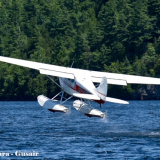
Look at these guys coming off Sproat Lake with the Mars on Sunday, they wouldn't call it IFR, just a little climb on heading to get on top.
I've used partial panel to get on top or drop below, like when the fog rolls back in when you're parked on a beach. These days a G5 makes it more comfortable.
Look at these guys coming off Sproat Lake with the Mars on Sunday, they wouldn't call it IFR, just a little climb on heading to get on top.
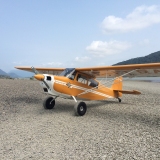
'74 7GCBC, 26" ABW, Aera 660 feeding G5 and FC-10 FF.
Tue Dec 17, 2024 6:38 pm
Re: Instrument Training Question
Mapleflt wrote:NineThreeKilo wrote:Mapleflt wrote:NineThreeKilo wrote:There is however something to be said for training in what you’re going to be doing the actual instrument flying in
I would agree for advanced training, tail wheel, floats, back country do it "on type" however I don't agree for IFR training.
Why is IFR any different?
If anything learning his panel is going to be worth tons more than a panel he won’t touch again after the ride
It’s like folks who do their spin training in a extra when they’ll be instructing and flying a 152, it’s sexy but it ain’t practical or logical
We will have to "agree to disagree" on this one, I'm done.
?
You ok?
- NineThreeKilo offline
- Retired
- Posts: 1678
- Joined: Thu Dec 31, 2009 8:16 pm
- Location: _
Wed Dec 18, 2024 2:50 pm
Re: Instrument Training Question
Karmutzen wrote:Huh? Climbing or descending through a layer needs an IFR rating? We do it all the time in the bush. Of course Canada has a "VFR on top" rating with 15 hours of relevant instrument training, where in the US it is a clearance to the holder of an IFR rating. Apples and oranges.
I've used partial panel to get on top or drop below, like when the fog rolls back in when you're parked on a beach. These days a G5 makes it more comfortable.
Look at these guys coming off Sproat Lake with the Mars on Sunday, they wouldn't call it IFR, just a little climb on heading to get on top.
Correct me if I'm wrong, but even in Canada we need IFR to gi through a layer. The VFR OTT rules are pretty clear that it has to be clear to get up, and clear at our destination. To go through the layer, legally we need IFR.
Wed Dec 18, 2024 3:35 pm
Re: Instrument Training Question
For the OP: Is your plane a Carbon Cub EX of some flavor, or is it a homebuilt? You noted in your initial post only that it was experimental. That covers a lot of ground.
I suspect that the CC machines MAY be likely to posess all the required instruments/electronics, but I'd sure verify that against the regs.
Obviously, the same applies to a homebuilt. I've seen quite a few homebuilts with just one screen, and I'm pretty sure that won't meet the requirements. Maybe....
MTV
I suspect that the CC machines MAY be likely to posess all the required instruments/electronics, but I'd sure verify that against the regs.
Obviously, the same applies to a homebuilt. I've seen quite a few homebuilts with just one screen, and I'm pretty sure that won't meet the requirements. Maybe....
MTV
Wed Dec 18, 2024 8:40 pm
Re: Instrument Training Question
I will opine on this subject since I do a lot of instrument instruction up here in the Northwest. In the old days of steam gauges, VOR needles and NDB approaches most IFR training was fairly standardized across a lot of different airplanes. If you were lucky you had an airplane equipped with a KNS 80 and a King AP.
Everything has changed in the last 10-15 years. IFR training is much more focused on FMS (flight management systems). Learning the navigator is really the first step to understanding how to fly IFR now. Attitude instrument flying still very important but at least 50% of the rating is understanding the navigation systems and developing an operation flow. In many ways the old steam gauges and needles were easier because there was less systems to manage and program. Of course the modern systems offer better situational awareness. I still think having learned years ago with needles - it forced you to develop a navigational map in your head. Today - a single foreflight moving map makes it easier but also creates complacency.
There are really four basic navigation systems now:
1. Traditional - ILS/VOR needles with steam guages plus/minus Navigator
2. Dual G5s and older Garmin 430/530 Navigators
3. G900/1000/Nx systems
4. GTN 650/750s with either Garmin G5s, G3X, or TXi PFD/MFDs
There are also different AP configurations and knowing the proper button sequences for the various AP systems is also extremely important.
Being a CFII now requires knowledge of how to use the Navigators and PFD/MFDs for these combinations. Ideally - it would be better to train in a non tandem aircraft. It would be difficult to monitor all of the systems for IFR flight from the backseat. I would also be hesitant to take a tandem seating airplane in actual IFR compared with a side by side arrangement. It is really important you find a instructor who will train in actual conditions. Training in actual is the only way to build any true confidence flying IFR and after my students get their tickets I encourage going on a solo flight in the clouds.
I would try to find an airplane with similar equipment to your cub but learn in a side by side airplane. Using a simulator will only be helpful if the equipment is similar to your airplane. The GTN 650/750s have an IPAD app that allows for practicing approaches and simulations. It can't be logged but the practice using the IPAD app is so helpful. You can master the 650/750 (175/355/375 as well) using these apps.
So in summary - IFR flying is super technical and requires a new approach compared to the old days. It is very important to find an instructor that has experience flying in IFR conditions and understands your equipment. Good communication and review is critical which may be difficult in a tandem aircraft along with finding a willing DPE. I think you will enjoy the training up here in the Northwest. We get a lot of great hard IFR days to train. Much better than trying to learn in Arizona.
Josh
Everything has changed in the last 10-15 years. IFR training is much more focused on FMS (flight management systems). Learning the navigator is really the first step to understanding how to fly IFR now. Attitude instrument flying still very important but at least 50% of the rating is understanding the navigation systems and developing an operation flow. In many ways the old steam gauges and needles were easier because there was less systems to manage and program. Of course the modern systems offer better situational awareness. I still think having learned years ago with needles - it forced you to develop a navigational map in your head. Today - a single foreflight moving map makes it easier but also creates complacency.
There are really four basic navigation systems now:
1. Traditional - ILS/VOR needles with steam guages plus/minus Navigator
2. Dual G5s and older Garmin 430/530 Navigators
3. G900/1000/Nx systems
4. GTN 650/750s with either Garmin G5s, G3X, or TXi PFD/MFDs
There are also different AP configurations and knowing the proper button sequences for the various AP systems is also extremely important.
Being a CFII now requires knowledge of how to use the Navigators and PFD/MFDs for these combinations. Ideally - it would be better to train in a non tandem aircraft. It would be difficult to monitor all of the systems for IFR flight from the backseat. I would also be hesitant to take a tandem seating airplane in actual IFR compared with a side by side arrangement. It is really important you find a instructor who will train in actual conditions. Training in actual is the only way to build any true confidence flying IFR and after my students get their tickets I encourage going on a solo flight in the clouds.
I would try to find an airplane with similar equipment to your cub but learn in a side by side airplane. Using a simulator will only be helpful if the equipment is similar to your airplane. The GTN 650/750s have an IPAD app that allows for practicing approaches and simulations. It can't be logged but the practice using the IPAD app is so helpful. You can master the 650/750 (175/355/375 as well) using these apps.
So in summary - IFR flying is super technical and requires a new approach compared to the old days. It is very important to find an instructor that has experience flying in IFR conditions and understands your equipment. Good communication and review is critical which may be difficult in a tandem aircraft along with finding a willing DPE. I think you will enjoy the training up here in the Northwest. We get a lot of great hard IFR days to train. Much better than trying to learn in Arizona.
Josh
- Dog is my Copilot offline
- Posts: 433
- Joined: Thu Apr 12, 2018 11:38 am
- Location: Portland
- Aircraft: 1958 Cessna 180A
Thu Dec 19, 2024 6:16 am
Re: Instrument Training Question
Here an interesting regulatory difference from North of the 49th parallel, to deliver IFR instruction an instructor rating isn't required. Does all instruction have to be delivered by an endorsed person or could you go flying with an experienced, trusted person. I'm assuming there is a minimum amount of time that must be log with an certified instructor but could you gain "working knowledge" under an experienced pilot's guidance. Learning IFR, basic IFR skills and retaining the skills is all about practice and currency. If it's doable find a "knowledgeable" and skilled IFR pilot for some OJT exposure.
DISPLAY OPTIONS
Who is online
Users browsing this forum: No registered users and 4 guests
Latest Features
-
-
Featured Bush Planes
As one of the undisputed legends of bush flying, the Cessna 180 hauls a…Read More -
Aircraft Ownership and Maintenance
9 modification mistakes aircraft owners make when trying to "bush out" their birds—why some…Read More -
Live to Tell
A Minnesota pilot is surprised to learn that the sudden asymmetric drag of an…Read More


Latest Knowledge Base
-
Destinations
Canada offers some of the most spectacular backcountry flying on the continent. Here's what you need to know before you go.Read More -
Safety and Survival
Hope that you never have to use your survival vest but knowing you have it and knowing how to use…Read More -
Destinations
A regional guide with ideas for winter camping destinations in California, Nevada, New Mexico, and Arizona.Read More -
Aircraft
Finding an affordable aircraft that can handle the backcountry for $80K or less? A challenge for sure, but with the…Read More