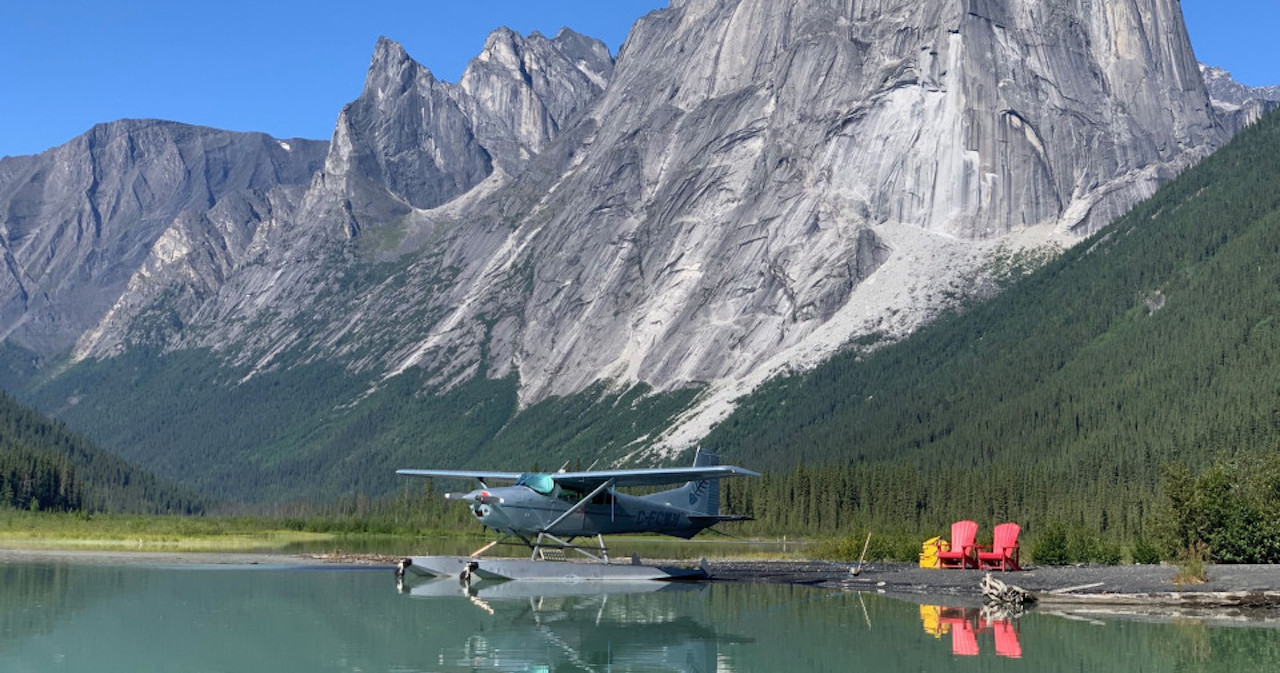
Learned this technique while training at BUSH AIR in Nevada, stall recovery with minimum altitude loss, most stalls happen in the pattern, if you are going to loose 1,000ft to recover its too late, with this technique you loose between 30 to 150 ft,
WARNING , NON INSTRUCTIONAL VIDEO!
Quick stall recovery technique
Fri May 19, 2023 10:28 pm
Sun May 21, 2023 9:27 am
Re: Quick stall recovery technique
All your slides are about spin recovery altitude not stalls?
Little ham fisted on that throttle, and a bit of a death grip on the yoke
Engine will thank you not slamming throttle like that
Like the tires and paint though, and always thought CCs class would be fun, especially if he threw in some legit South African braai
Little ham fisted on that throttle, and a bit of a death grip on the yoke
Engine will thank you not slamming throttle like that
Like the tires and paint though, and always thought CCs class would be fun, especially if he threw in some legit South African braai
- NineThreeKilo offline
- Retired
- Posts: 1678
- Joined: Thu Dec 31, 2009 8:16 pm
- Location: _
Sun May 21, 2023 9:54 am
Re: Quick stall recovery technique
NineThreeKilo wrote:All your slides are about spin recovery altitude not stalls?
Little ham fisted on that throttle, and a bit of a death grip on the yoke
Engine will thank you not slamming throttle like that
Like the tires and paint though, and always thought CCs class would be fun, especially if he threw in some legit South African braai
Wow! Looks like a new “chief critic” has replaced the recently vacated position. Bummer.
Why?
Larry is a pretty damn good pilot….
- skyward II offline

- Posts: 474
- Joined: Sun Jul 05, 2020 9:42 pm
- Location: Upland, CA/Etna, Wy
Sun May 21, 2023 11:38 am
Re: Quick stall recovery technique
skyward II wrote:NineThreeKilo wrote:All your slides are about spin recovery altitude not stalls?
Little ham fisted on that throttle, and a bit of a death grip on the yoke
Engine will thank you not slamming throttle like that
Like the tires and paint though, and always thought CCs class would be fun, especially if he threw in some legit South African braai
Wow! Looks like a new “chief critic” has replaced the recently vacated position.
Why?
Larry is a pretty damn good pilot….
Was anything I said wrong?
The slides he’s showing are clearly for spins, he’s showing them in comparison with the altitude he says he’s seeing doing that more or less standard STALL recovery, it’s a false comparison to use figures recovering from a spin when talking stalls
Probably wouldn’t have mentioned it if this was in a social media /influencer sub forum, but you can’t make a obviously dubious comparison in the theory practice and procedures forum, while also ham fisting the throttle and just expect a thumbs up
- NineThreeKilo offline
- Retired
- Posts: 1678
- Joined: Thu Dec 31, 2009 8:16 pm
- Location: _
Sun May 21, 2023 2:12 pm
Re: Quick stall recovery technique
NineThreeKilo wrote:skyward II wrote:NineThreeKilo wrote:All your slides are about spin recovery altitude not stalls?
Little ham fisted on that throttle, and a bit of a death grip on the yoke
Engine will thank you not slamming throttle like that
Like the tires and paint though, and always thought CCs class would be fun, especially if he threw in some legit South African braai
Wow! Looks like a new “chief critic” has replaced the recently vacated position.
Why?
Larry is a pretty damn good pilot….
Was anything I said wrong?
The slides he’s showing are clearly for spins, he’s showing them in comparison with the altitude he says he’s seeing doing that more or less standard STALL recovery, it’s a false comparison to use figures recovering from a spin when talking stalls
Probably wouldn’t have mentioned it if this was in a social media /influencer sub forum, but you can’t make a obviously dubious comparison in the theory practice and procedures forum, while also ham fisting the throttle and just expect a thumbs up
Never mind….
](/phpbb3/images/smilies/eusa_wall.gif "Brick wall")
- skyward II offline
- Posts: 474
- Joined: Sun Jul 05, 2020 9:42 pm
- Location: Upland, CA/Etna, Wy
Sun May 21, 2023 3:32 pm
Re: Quick stall recovery technique
Excellent job, Larry, with the high altitude concept of practice stall recovery. A little history on stall recovery technique might add background to your technique. Prior to Practical Test Standards students were generally taught to dump the nose enough to go negative a bit or completely unload the wing. We had more incidents and accidents in those days but the same number of fatalities as today. The PTS brought in a technique similar to what you are teaching here. Full stall, push nose down to horizon with full power, and attempt least altitude loss as with your technique. The result of PTS was fewer incidents and accidents but the same number of fatalities. ACS was the same technique at first but has changed to dump the nose again, I think. (some current CFI fact check this) Anyway, even fewer incidents and accidents but the same number of fatalities.
I'm not good enough with research to separate stall in pattern out, but the lesson I see here is that no amount of practice stall recovery at altitude will prevent fatalities from startle and inadvertent stall at altitudes too low for recovery after the three seconds or so startle loss of situational awareness.
I have beat this horse to death without much effect, I think, but the design of the airplane is to fly and not to stall. That requires a pilot, especially a pilot who has been indoctrinated into attempting to maintain altitude regardless of airspeed loss in turns. The only stall prevention is the indoctrination that we do not pull back on the stick without zoom reserve airspeed. We don't pull back to climb. We don't pull back in turns. We release the back pressure in turns. That is how crop dusters, appearing to make acrobatic turns, stay alive. We are not fully deflecting the controls to do weird stuff. We are simply doing what the airplane wants to do, what it was designed to do in turns. We are allowing dynamic neutral stability to actually work in turns. We make turns to target at whatever bank is required without creating load factor by insisting on staying up. We need to get back down to spray. GA pilots need to let the nose go down as designed to live. That, rather than stall practice and limiting bank, is what prevents stall thousands of time every day for every crop duster. Why not GA?
I'm not good enough with research to separate stall in pattern out, but the lesson I see here is that no amount of practice stall recovery at altitude will prevent fatalities from startle and inadvertent stall at altitudes too low for recovery after the three seconds or so startle loss of situational awareness.
I have beat this horse to death without much effect, I think, but the design of the airplane is to fly and not to stall. That requires a pilot, especially a pilot who has been indoctrinated into attempting to maintain altitude regardless of airspeed loss in turns. The only stall prevention is the indoctrination that we do not pull back on the stick without zoom reserve airspeed. We don't pull back to climb. We don't pull back in turns. We release the back pressure in turns. That is how crop dusters, appearing to make acrobatic turns, stay alive. We are not fully deflecting the controls to do weird stuff. We are simply doing what the airplane wants to do, what it was designed to do in turns. We are allowing dynamic neutral stability to actually work in turns. We make turns to target at whatever bank is required without creating load factor by insisting on staying up. We need to get back down to spray. GA pilots need to let the nose go down as designed to live. That, rather than stall practice and limiting bank, is what prevents stall thousands of time every day for every crop duster. Why not GA?
- contactflying offline
- Posts: 4972
- Joined: Wed Apr 03, 2013 7:36 pm
- Location: Aurora, Missouri 2H2
Download my free "https://tinyurl.com/Safe-Maneuvering" e-book.
Sun May 21, 2023 4:35 pm
Re: Quick stall recovery technique
NineThreeKilo wrote:All your slides are about spin recovery altitude not stalls?
Little ham fisted on that throttle, and a bit of a death grip on the yoke
Engine will thank you not slamming throttle like that
Like the tires and paint though, and always thought CCs class would be fun, especially if he threw in some legit South African braai
Thanks for the advice.
At Bush Air we did spin training, spin recoveries incipient spins.
But we did a particular exercise that was about recovering from stalls with minimum altitude loss, and that is all I am showing in the video.
And its just a demo , not instructional video, I am not a CFI, but I highly recommend this training with CC.
Sun May 21, 2023 5:30 pm
Re: Quick stall recovery technique
It’s good production quality and a pretty video 100%
I just had to take a double take when you were taking stalls and next pop up some slides about spin recovery altitude
I just had to take a double take when you were taking stalls and next pop up some slides about spin recovery altitude
- NineThreeKilo offline
- Retired
- Posts: 1678
- Joined: Thu Dec 31, 2009 8:16 pm
- Location: _
Sun May 21, 2023 6:04 pm
Re: Quick stall recovery technique
NineThreeKilo wrote:It’s good production quality and a pretty video 100%
I just had to take a double take when you were taking stalls and next pop up some slides about spin recovery altitude
Ah now I know what you mean, the picture of the airplane spinning, yes that might not have been the best picture to show , you are right, that is showing a spin at low alt, when I am talking about stall recovery with minimum altitude loss.
Sun May 21, 2023 9:18 pm
Re: Quick stall recovery technique
What a nice 170 that you have Larry. You also fly it with excellent skills from the videos I have seen.
Think this link may provide some additional and valuable information on the topic. Scrolling down one finds the article...
https://apstraining.com/resource/traffi ... talls/amp/
Brgds.
Think this link may provide some additional and valuable information on the topic. Scrolling down one finds the article...
https://apstraining.com/resource/traffi ... talls/amp/
Brgds.
- [email protected] offline
- Posts: 151
- Joined: Fri Dec 28, 2018 7:39 am
- Location: Guatemala
- Aircraft: Cessna 180 Skywagon
Mon May 22, 2023 2:11 am
Re: Quick stall recovery technique
This is an excellent article, Manuel, on the physics of stall/spin base to final turns by those who are indoctrinated into preferring aileron over rudder in turns. Yes, if we try to stay up, maintain altitude, in the base to final turn, we may be lured into actually putting in the amount of rudder we should have put in to begin with to make an energy management turn to target. What is an energy management turn to target? First it is a turn without back pressure on the stick. First it is a turn that allows the designed safety feature of dynamic neutral stability to work. First it is a 1 g turn of whatever bank angle necessary to capture the centerline extended. Second it is a turn that recognizes that there is no coordination of aileron and rudder (why do we say it that way) without leading rudder to prevent the nose from going the wrong way (adverse yaw) initially. The almost unrecognizable just a bit the wrong way doesn't show up (wing wagging) until on short final when the student is actually now wanting to land in the center of the runway and in error thinks he needs to turn rather than yaw correctly to bracket the target (tail wagging.)
No, I understand that most pilots are not trained this way and thus this is not going to happen. What is going to happen with most pilots who have been indoctrinated into limiting bank angle rather than allowing the nose to go down as it wishes is that they are neither going to lead rudder in any turn nor use enough bank angle to capture the target in time. When they bank, the nose goes the wrong way initially (adverse yaw) and they then correct with rudder for coordination in the shallow and probably still slipping a bit bank. Slipping banks to not put the nose onto target smartly. Slipping banks a slow and inefficient. Slipping banks and maintaining altitude are not what the airplane wants to do naturally.
Yes, the go around way back there five miles out while trying to maintain altitude is the only safe solution to the skidding spin base to final turn problem for those who do not fly the way the safety of airplane design, the way the airplane, expects the pilot to fly. So, while not skidding to bring the nose around without losing altitude will tip the pilot off that the limited bank is not going to capture the centerline extended, the proper lead rudder and apply sufficient aileron to bank as necessary to capture the centerline while releasing all back pressure is not going to happen in most cases.
Finally neither the slipping spin with the up wing dropping nor the skidding spin with the down wing going under is often recoverable after startle delay. Finally, just a coordinated turn stall is generally not recoverable after startle delay.
Could the real solution be to just let the airplane do what it naturally wants to do in all turns in the pattern? The design of the airplane is to fly, and not to stall. The airplane cannot stall itself. A pilot pulling on the stick is required. The critical angle of attack is when it stalls, not why. A pilot pulling on the stick is required. An unloaded wing which is not stalled cannot spin. No pilot pulling on the stick, no stall. No stall, no spin.
Anyway, an excellent article on the physics. Human factors complicate things. The way we are trained may complicate things. Indoctrination, when it does not counter the design safety features of the airplane, is generally good. In the case of indoctrination to maintain altitude in turns, we are setting our students up for failure in my opinion. I have experienced no problem flying by reference to instruments that way because of the Instrument Flight Rules that legally protect airspeed, altitude, procedural track. As a helicopter gunship pilot and a crop duster in piston airplanes that could not power through steep turns, I learned not to maintain altitude at all cost in turns. That would have been fatal.
No, I understand that most pilots are not trained this way and thus this is not going to happen. What is going to happen with most pilots who have been indoctrinated into limiting bank angle rather than allowing the nose to go down as it wishes is that they are neither going to lead rudder in any turn nor use enough bank angle to capture the target in time. When they bank, the nose goes the wrong way initially (adverse yaw) and they then correct with rudder for coordination in the shallow and probably still slipping a bit bank. Slipping banks to not put the nose onto target smartly. Slipping banks a slow and inefficient. Slipping banks and maintaining altitude are not what the airplane wants to do naturally.
Yes, the go around way back there five miles out while trying to maintain altitude is the only safe solution to the skidding spin base to final turn problem for those who do not fly the way the safety of airplane design, the way the airplane, expects the pilot to fly. So, while not skidding to bring the nose around without losing altitude will tip the pilot off that the limited bank is not going to capture the centerline extended, the proper lead rudder and apply sufficient aileron to bank as necessary to capture the centerline while releasing all back pressure is not going to happen in most cases.
Finally neither the slipping spin with the up wing dropping nor the skidding spin with the down wing going under is often recoverable after startle delay. Finally, just a coordinated turn stall is generally not recoverable after startle delay.
Could the real solution be to just let the airplane do what it naturally wants to do in all turns in the pattern? The design of the airplane is to fly, and not to stall. The airplane cannot stall itself. A pilot pulling on the stick is required. The critical angle of attack is when it stalls, not why. A pilot pulling on the stick is required. An unloaded wing which is not stalled cannot spin. No pilot pulling on the stick, no stall. No stall, no spin.
Anyway, an excellent article on the physics. Human factors complicate things. The way we are trained may complicate things. Indoctrination, when it does not counter the design safety features of the airplane, is generally good. In the case of indoctrination to maintain altitude in turns, we are setting our students up for failure in my opinion. I have experienced no problem flying by reference to instruments that way because of the Instrument Flight Rules that legally protect airspeed, altitude, procedural track. As a helicopter gunship pilot and a crop duster in piston airplanes that could not power through steep turns, I learned not to maintain altitude at all cost in turns. That would have been fatal.
- contactflying offline
- Posts: 4972
- Joined: Wed Apr 03, 2013 7:36 pm
- Location: Aurora, Missouri 2H2
Download my free "https://tinyurl.com/Safe-Maneuvering" e-book.
Mon May 22, 2023 6:57 am
Re: Quick stall recovery technique
Glad you liked it Contact.
Felt the crucial need to provide it.
Felt the crucial need to provide it.
- [email protected] offline
- Posts: 151
- Joined: Fri Dec 28, 2018 7:39 am
- Location: Guatemala
- Aircraft: Cessna 180 Skywagon
DISPLAY OPTIONS
Who is online
Users browsing this forum: No registered users and 15 guests
Latest Features
-
-
Featured Bush Planes
As one of the undisputed legends of bush flying, the Cessna 180 hauls a…Read More -
Aircraft Ownership and Maintenance
9 modification mistakes aircraft owners make when trying to "bush out" their birds—why some…Read More -
Live to Tell
A Minnesota pilot is surprised to learn that the sudden asymmetric drag of an…Read More


Latest Knowledge Base
-
Destinations
Canada offers some of the most spectacular backcountry flying on the continent. Here's what you need to know before you go.Read More -
Safety and Survival
Hope that you never have to use your survival vest but knowing you have it and knowing how to use…Read More -
Destinations
A regional guide with ideas for winter camping destinations in California, Nevada, New Mexico, and Arizona.Read More -
Aircraft
Finding an affordable aircraft that can handle the backcountry for $80K or less? A challenge for sure, but with the…Read More