I have seen PILOTS-who love and own airplanes-put their fingers in their ears (and the ones that don't 'wince') when they hear certain engine/prop combinations take off from JC.......
To me, that makes quite a statement.
lc
And it is not just a couple of guys. Some are showing they can 'clear the notch' on a straight out.
Idaho's Backcountry Airstrips Getting Too Much Use?
Sun Jun 03, 2012 5:51 pm
Humor may not make the world go around, but it certainly cheers up the process... 
With clothing, the opposite of NOMEX is polypro (polypropylene cloth and fleece).
Success has many fathers...... Failure is an orphan.
With clothing, the opposite of NOMEX is polypro (polypropylene cloth and fleece).
Success has many fathers...... Failure is an orphan.
Sun Jun 03, 2012 7:37 pm
Re: Idaho's Backcountry Airstrips Getting Too Much Use?
mountainmatt wrote:I too would be interested in what the facts are on these BC4 airstrips, not just hearsay.
That part is easy. Page C-3:
http://www.fs.usda.gov/Internet/FSE_DOCUMENTS/stelprdb5300754.pdf
The document outlines the interests and demarcations of 32 years ago. They haven't changed a lot. The law is clear. Not only that, but here is a FS position paper on what it all really means to them:
http://leopold.wilderness.net/pubs/407.pdf
Justice Breyer is now in the SCOTUS.
Closure of the strips would be a legal challenge to the Central Idaho Wilderness Act itself- by the USDA itself. The last couple of paragraphs in the latter document are worth keeping in mind. For those of you who ~really~ want to know the drama, see the reference in the second link:
U.S. Congress. Senate. 1980. Debate on the Central Idaho Wilderness Act. 96th Cong. 2nd sess. Congressional Record 126, June 26.
I read bits of it a long time ago in the printed Congressional Record. It's not online. It includes a summary of interests, very heavily represented by mining and river recreation interests.
Sun Jun 03, 2012 7:43 pm
Re: Idaho's Backcountry Airstrips Getting Too Much Use?
mtv wrote:aktahoe1 wrote:My example is like Robert Redford trying to save the last 3 caribou in ANWAR if we dig. If someone would actually go there, they would see that the herd has actually flourished since the pipeline went in. Just a thought
Spent a lot of time on the north slope observing caribou, have you? Just a thought.
The biggest tool that the "environmentalists" have used in past is to get thousands of their members to spam an agency during a public input process with thousands of identical "cut and paste" responses. Fortunately, that no longer works well in these processes.
YOUR best tool is to write to the agency and to your elected representatives with carefully thought out and intelligent comments in support of your position, whatever that may be. This is precisely what kept the Missouri Breaks airstrips open, when BLM was being inundated with spam from back east (and probably some from Kalifornia).
No doubt the single worst "threat" to these strips today is the big, 100 plus airplane, fly ins. As noted earlier, there aren't many of those, and they're short. But they get people's attention.
I think all the Idaho Aviation Association and James were trying to get across is that by maintaining as low a profile as possible it makes us all a less visible target. And, anonymity is the best way to avoid attacks, regardless of your activity.
MTV

Have actually spent more time in that neck of the woods than I can count.

- aktahoe1 offline
- Posts: 2052
- Joined: Sun Jul 13, 2008 8:22 am
- Location: Alaska and Lake Tahoe = aktahoe
If it looks smooth, it might be. If it looks rough, it is...www.bigtirepilot.com ...www.alaskaheliski.com
Sun Jun 03, 2012 7:51 pm
Re: Idaho's Backcountry Airstrips Getting Too Much Use?
Here are some more backgrounders for the CIWA:
http://idahoptv.org/outdoors/shows/frankchurch/noreturn.cfm
Take the time to view the videos towards the bottom, and you might appreciate the conflicts. Especially the second and last ones.Or watch the entire thing.
http://idahoptv.org/outdoors/shows/frankchurch/noreturn.cfm
Take the time to view the videos towards the bottom, and you might appreciate the conflicts. Especially the second and last ones.Or watch the entire thing.
Sun Jun 03, 2012 7:59 pm
Re: Idaho's Backcountry Airstrips Getting Too Much Use?
SEC. 7. (a) Within the River of No Return Wilderness and the Selway-Bitterroot Wilderness additions designated by this Act�
(1)
the landing of aircraft, where this use has become established prior to the date of enactment of this Act shall be permitted to continue subject to such restrictions as the Secretary deems desirable: Provided, That the Secretary shall not permanently close or render unserviceable any aircraft landing, strip in regular use on national forest lands on the date of enactment of this Act for reasons other than extreme danger to (aircraft, and in any case not without the express written concurrence of the agency of the State of Idaho charged with evaluating the safety of backcountry airstrips;
http://www.fs.usda.gov/Internet/FSE_DOC ... 300754.pdf
However, it does not
reduce the Forest Service’s discretion to manage use levels
on, and maintenance of, these strips. The legislative history
of the CIWA supports the conclusion that closure, not management
discretion, was the evil being remedied by this
provision. The bill’s sponsor, Senator Church, wanted to
prevent the Forest Service from arbitrarily closing airstrips.
http://leopold.wilderness.net/pubs/407.pdf
(1)
the landing of aircraft, where this use has become established prior to the date of enactment of this Act shall be permitted to continue subject to such restrictions as the Secretary deems desirable: Provided, That the Secretary shall not permanently close or render unserviceable any aircraft landing, strip in regular use on national forest lands on the date of enactment of this Act for reasons other than extreme danger to (aircraft, and in any case not without the express written concurrence of the agency of the State of Idaho charged with evaluating the safety of backcountry airstrips;
http://www.fs.usda.gov/Internet/FSE_DOC ... 300754.pdf
However, it does not
reduce the Forest Service’s discretion to manage use levels
on, and maintenance of, these strips. The legislative history
of the CIWA supports the conclusion that closure, not management
discretion, was the evil being remedied by this
provision. The bill’s sponsor, Senator Church, wanted to
prevent the Forest Service from arbitrarily closing airstrips.
http://leopold.wilderness.net/pubs/407.pdf
- OregonMaule offline

- Posts: 6977
- Joined: Fri Sep 01, 2006 9:44 pm
- Location: Orygun
My SPOT page
"They who can give up essential liberty to obtain a little temporary safety, deserve neither liberty nor safety". Ben Franklin
http://en.wikiquote.org/wiki/Benjamin_Franklin
"They who can give up essential liberty to obtain a little temporary safety, deserve neither liberty nor safety". Ben Franklin
http://en.wikiquote.org/wiki/Benjamin_Franklin
Sun Jun 03, 2012 8:07 pm
Re: Idaho's Backcountry Airstrips Getting Too Much Use?
OregonMaule wrote:....
Precisely. It helps me sleep better at night knowing the extraordinary protections given to aviation in the RONR. Advocacy will help make sure the conversation isn't scripted by those who forget the law. Minimizing impacts means it might continue the way things are.
The hitch is that the Secretary can regulate it, short of closing strips. This happens to rafters and other user groups in 'special management' areas.
Cutting a wide swath with the mistaken idea it somehow 'enforces' some right to do so doesn't really win allies...it creates more 'special management areas', and that will be a sad day.
Sun Jun 03, 2012 8:08 pm
Re: Idaho's Backcountry Airstrips Getting Too Much Use?
"No closure except in extreme danger." That's a good policy.
I argue that it's incumbent upon safety that pilots be allowed to continue to hone their skills by landing on these strips. What good is an emergency strip if the pilot doesn't have the skills to land on it? How many accidents will happen if there aren't many places for pilots to practice?
Noise pollution. Coming from a hiking/outdoor/wilderness society/sierra club type background, I'll put in my opinion based on how I feel when encountering snowmobiles in the backcountry. I'm hiking along, breathing in fresh air, enjoying the solitude and along comes a 2 stroke machine belching smoke and loud as f*#K. It's not a pleasant experience. Now 4 stroke machines come along and, you know, it's not that bad. Still don't care for the exhaust but it's not that bad. They're relatively quiet... it's not that bad.
Straight pipe Harley riders. Can't stand them. I know people who ride them think it's cool but most don't and I'm among them.
Muffled, deep throated bikes. Not so bad. (deep throated Franklin engine... pure heaven but I digress).
I can't comment on airplanes as I've always liked seeing them, even when I'm in the wilderness. Keep 'em as quiet as possible and, I'll bet, most of the complaints won't be there. Of course there will always the D!CkHead who thinks that bicycles or wheeled carts are a complete anathema to the backcountry.
I know that big bore props equal safety. Most people don't. They just hear them as a loud, obnoxious intrusion into their escape from the bustle of society.
Trash. I haven't see it so much with pilots. Pretty much all the pilots I know who fly into the backcountry also don't leave a bunch of garbage behind (and often pick up crap that's there). I wish that were true of the other motor vehicle people. Unfortunately they give a bad name to all who enter the backcountry through powered means. Keep it clean.
Education and outreach. Educating those people in the wilderness society, etc. that the more allies they have, the more likely we'll continue to have public lands that they can enjoy. Quote from Arafat (regardless of what you think of him, it was a good quote), "I come bearing a pistol and an olive branch. Don't make me drop the olive branch"
I argue that it's incumbent upon safety that pilots be allowed to continue to hone their skills by landing on these strips. What good is an emergency strip if the pilot doesn't have the skills to land on it? How many accidents will happen if there aren't many places for pilots to practice?
Noise pollution. Coming from a hiking/outdoor/wilderness society/sierra club type background, I'll put in my opinion based on how I feel when encountering snowmobiles in the backcountry. I'm hiking along, breathing in fresh air, enjoying the solitude and along comes a 2 stroke machine belching smoke and loud as f*#K. It's not a pleasant experience. Now 4 stroke machines come along and, you know, it's not that bad. Still don't care for the exhaust but it's not that bad. They're relatively quiet... it's not that bad.
Straight pipe Harley riders. Can't stand them. I know people who ride them think it's cool but most don't and I'm among them.
Muffled, deep throated bikes. Not so bad. (deep throated Franklin engine... pure heaven but I digress).
I can't comment on airplanes as I've always liked seeing them, even when I'm in the wilderness. Keep 'em as quiet as possible and, I'll bet, most of the complaints won't be there. Of course there will always the D!CkHead who thinks that bicycles or wheeled carts are a complete anathema to the backcountry.
I know that big bore props equal safety. Most people don't. They just hear them as a loud, obnoxious intrusion into their escape from the bustle of society.
Trash. I haven't see it so much with pilots. Pretty much all the pilots I know who fly into the backcountry also don't leave a bunch of garbage behind (and often pick up crap that's there). I wish that were true of the other motor vehicle people. Unfortunately they give a bad name to all who enter the backcountry through powered means. Keep it clean.
Education and outreach. Educating those people in the wilderness society, etc. that the more allies they have, the more likely we'll continue to have public lands that they can enjoy. Quote from Arafat (regardless of what you think of him, it was a good quote), "I come bearing a pistol and an olive branch. Don't make me drop the olive branch"
- GroundLooper offline

- Posts: 1168
- Joined: Wed Jun 13, 2007 6:52 pm
- Location: Vancouver, WA
BCP Poser.
Life is good. Life is better with wings.
Life is good. Life is better with wings.
Sun Jun 03, 2012 8:18 pm
Re: Idaho's Backcountry Airstrips Getting Too Much Use?
lesuther wrote:OregonMaule wrote:....
Precisely. It helps me sleep better at night knowing the extraordinary protections given to aviation in the RONR. Advocacy will help make sure the conversation isn't scripted by those who forget the law. Minimizing impacts means it might continue the way things are.
The hitch is that the Secretary can regulate it, short of closing strips. This happens to rafters and other user groups in 'special management' areas.
Cutting a wide swath with the mistaken idea it somehow 'enforces' some right to do so doesn't really win allies...it creates more 'special management areas', and that will be a sad day.
Yes the number of landings. Except for the busy fly in week ends it is probably irrelevant. How many planes will land the BC4 tomorrow? Even less April, May, September, October
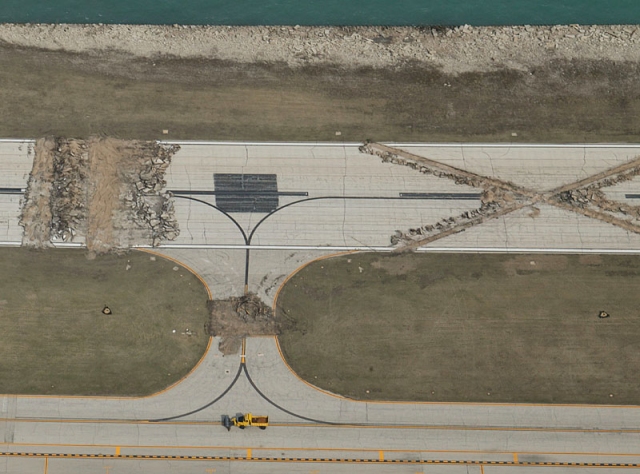
What worries me is the BS these arrogant FS types get away with. And never forget Meigs Field in Chicago
- OregonMaule offline
- Posts: 6977
- Joined: Fri Sep 01, 2006 9:44 pm
- Location: Orygun
My SPOT page
"They who can give up essential liberty to obtain a little temporary safety, deserve neither liberty nor safety". Ben Franklin
http://en.wikiquote.org/wiki/Benjamin_Franklin
"They who can give up essential liberty to obtain a little temporary safety, deserve neither liberty nor safety". Ben Franklin
http://en.wikiquote.org/wiki/Benjamin_Franklin
Sun Jun 03, 2012 8:30 pm
Re: Idaho's Backcountry Airstrips Getting Too Much Use?
GroundLooper wrote:"No closure except in extreme danger." That's a good policy.
Yup. It pretty much says it all.
GroundLooper wrote:Noise pollution. Coming from a hiking/outdoor/wilderness society/sierra club type background, I'll put in my opinion based on how I feel when encountering snowmobiles in the backcountry.
Ditto. Its a compromise, something that seems to have gone out of style. The 4 strokers are a huge solution to a problem of evolving public use.
GroundLooper wrote:I know that big bore props equal safety. Most people don't.
They can be, but not necessarily. The strips were made for JN-4's, Tiger Moths, Travelairs, ....a C-150 has better performance on a bad day than most of those planes had on a good one.
GroundLooper wrote:They just hear them as a loud, obnoxious intrusion into their escape from the bustle of society.
Exactly. Reduce the frequency and volume a bit, problem largely solved.
GroundLooper wrote:Trash. I haven't see it so much with pilots.
Large majority no; Some yes. I've hauled a lot of crap out of some places. I don't even think it had crossed their mind that trash was not a popular thing to leave behind.
Sun Jun 03, 2012 8:42 pm
Re: Idaho's Backcountry Airstrips Getting Too Much Use?
OregonMaule wrote:Except for the busy fly in week ends it is probably irrelevant.
Plus hunting season (mostly commercial taxis who know what they are doing), rafting season (ditto- seriously, the taxis minimize impacts by making economic choices to get in and get out without loitering, repeated flights, etc.).
It will continue to remain irrelevant the more we reduce the incidental impacts. That's the idea- not to stop flying to enjoy the area.
Sun Jun 03, 2012 9:38 pm
Re: Idaho's Backcountry Airstrips Getting Too Much Use?
RAF????? What's the Royal Air Force got to do with this???? 
Sun Jun 03, 2012 9:39 pm
Re: Idaho's Backcountry Airstrips Getting Too Much Use?
GroundLooper wrote:
I know that big bore props equal safety. Most people don't.
Lesuther wrote:
They can be, but not necessarily. The strips were made for JN-4's, Tiger Moths, Travelairs, ....a C-150 has better performance on a bad day than most of those planes had on a good one.
GroundLooper wrote:
They just hear them as a loud, obnoxious intrusion into their escape from the bustle of society.
Lesuther wrote:
Exactly. Reduce the frequency and volume a bit, problem largely solved.
If reducing rpm on the roll or after rotation is a good idea, why don't the mountain flying clinics teach it?
Here's a clue:
http://www.ntsb.gov/aviationquery/brief.aspx?ev_id=20001212X21599&key=1
http://www.ntsb.gov/aviationquery/brief.aspx?ev_id=20001208X08519&key=1
These highly experienced professionals both died on departure. If you do everything right in the backcountry, departure is the most exposed and dangerous time. Just because technology has improved since these strips were built is no reason to turn your back on performance you have available to get some altitude and some options. There are lots of folks in Alaska who have to stooge around a few hundred feet AGL to get anywhere for much of the year, and I don't envy them. I'd guess that they'd rather have more distance between them and the rocks most of the time if they could manage it.
The sound of silence is still fresh in my mind, more than two years after I lost the engine. I've also hit the sinker from hell that had me skimming tree tops just so I could get to the river and fly down it to build up enough airspeed so I could climb. My bucket of luck came close to being overdrawn those times, and I'm not about to forget the lessons I learned. I am more vigilant about scouting the areas surrounding strips for emergency put-down spots. I think about where I'll go if I have to put it down--uphill, into the wind etc. I do not take off if the wind is blowing more than a light breeze. I have changed my departure routine from remote strips to include climbing overhead until I have enough altitude to continue en route and some options in case the engine decides to take holiday. I dial the prop back once I'm 1,000' agl. I'm glad to climb at a slower rate once I have enough altitude to know that I can get back--and 1,000' agl is slicing it really slim in a real world engine failure.
That said, putting a longer prop on an engine that only results in tips going transsonic at the same rpm that a stock prop turns may result in less climb performance. That's lose-lose 'cause you're not climbing as fast as you could and you're pi$$ing off the neighbors. Maybe the seaplane Skywagon guys know different. But some engines like the IO520F make their maximum hp at higher rpm (2850) and they drive props that flirt with transsonic speeds. Dialing those props back reduces noise but it also reduces power output from the engine. Show me a quieter prop that generates better climb performance than my old McCauley C90 and I'll be all over it come time for overhaul.
If I ever have an engine failure on takeoff or hit the sinker from hell off the departure end again, I don't want my last thought to be "Gee, I sure hope those folks on the ground appreciate how quiet I was flying when I killed my family."
My $.02
CAVU
Sun Jun 03, 2012 9:52 pm
Re: Idaho's Backcountry Airstrips Getting Too Much Use?
bottom line is the Forest service and tree huggers would like nothing better than to stop any and all gen aviation travel to all of the back country... I've talked to the ranger from hell at Moose creek and she , in no uncertain terms, made hers and the forest services position clear to me... "small airplanes in the back country are not wanted"... period... and this was just in general conversation while I waited out a windy day at her station... so enjoy it while you can my brothers cause there will come a day when we either can't go there or have to take a number to fish the back country or just fly into a dirt strip...think about it... the gov't is slowly taking away freedoms we enjoyed 10 15 years ago in our slow slide towards socialism... so what makes us all think that the IAA or any group will succeed in preserving our right to fly into a state park or national forest.. after all Government knows whats best for all of us don't they????? 
Sun Jun 03, 2012 10:43 pm
Re: Idaho's Backcountry Airstrips Getting Too Much Use?
The other ludacris thing is if we don't use these strips they become overgrown with brush, and deteriorate in general to the point they are self-closed. That is unless the IAA/RAF plans to have regular work partys at every single strip in Idaho. That doesn't sound feasible. Regular use by pilots and their aircraft is what keeps the strips well defined and in usable condition.

Built the dream, now flying it! http://www.supercubproject.com
Sun Jun 03, 2012 11:23 pm
Re: Idaho's Backcountry Airstrips Getting Too Much Use?
It's about time to draw the line in the sand. 
If it makes you feel good saving the Idaho backcountry by not flying it, great stay home!! I for one won't hassle you for your choice.
But leave leave the rest of us that enjoy it responsibly alone, it won't be there for us for long.
What a bunch of tit whining, right before our biggest BCP flyin. (which is a big part of the problem)
Oh, and my ass is still sore about the bull that was going around in 2010 on which way to land JC.
I got my ass chewed twice by the JC caretaker and some other do-gooders that think they know best on how to mind my business. Both times I landed to the North, around the house and into the wind!
Shortly after, Idaho Aeronautics sets the record straight.
WTFO!
I say let's go enjoy responsibly, and the rest of you do-gooders.........
If it makes you feel good saving the Idaho backcountry by not flying it, great stay home!! I for one won't hassle you for your choice.
But leave leave the rest of us that enjoy it responsibly alone, it won't be there for us for long.
What a bunch of tit whining, right before our biggest BCP flyin. (which is a big part of the problem)
Oh, and my ass is still sore about the bull that was going around in 2010 on which way to land JC.
I got my ass chewed twice by the JC caretaker and some other do-gooders that think they know best on how to mind my business. Both times I landed to the North, around the house and into the wind!
Shortly after, Idaho Aeronautics sets the record straight.
WTFO!
I say let's go enjoy responsibly, and the rest of you do-gooders.........
- Terry offline
- Posts: 1365
- Joined: Sat Nov 10, 2007 9:11 pm
- Location: Willamette Valley
- FindMeSpot URL: http://share.findmespot.com/shared/face ... 4GzPHI6t1d
Mon Jun 04, 2012 5:54 am
Re: Idaho's Backcountry Airstrips Getting Too Much Use?
CAVU wrote:If reducing rpm on the roll or after rotation is a good idea, why don't the mountain flying clinics teach it?
Nobody mentioned to reduce power on the roll or during rotation. It sounds like you already dial your prop back after reaching a safe altitude, which is exactly the point. That altitude changes with every takeoff. The difference in climb for my Skylane between 2500 RPM and 2400 RPM is pretty small after putting a few hundred feet between me and the ground, and 2300 is a comfortable climb setting when lightly loaded the rest of the way to the ridgetops. The noise level is quite a bit less.
Mon Jun 04, 2012 6:02 am
Re: Idaho's Backcountry Airstrips Getting Too Much Use?
Good find Lesuther!
http://leopold.wilderness.net/pubs/407.pdf
Page 345 third paragraph under
Legislative Intterpetation:
from: The Wilderness Act of 1964
"EXPLICITLY GAVE THE FOREST SERVICE DISCRETION TO REGULATE AIRCRAFT ACCESS AS THE AGENCY DEEMS DESIRABLE"
There it is in black and white. This statement should make you nervous. Looks like the Forest Service has a blank check to me. If you don't understand it, read page 345 in it's entirety again. http://leopold.wilderness.net/pubs/407.pdf
It is disapointing to here so many "F-it" comments on this link, however most people apparently understand the ramifications. All I was trying to explain was try to keep a low profile and use some common sense at these large fly-in events. Don't risk loosing access to these airstrips for yourself or those of us that use them year round.
James
http://leopold.wilderness.net/pubs/407.pdf
Page 345 third paragraph under
Legislative Intterpetation:
from: The Wilderness Act of 1964
"EXPLICITLY GAVE THE FOREST SERVICE DISCRETION TO REGULATE AIRCRAFT ACCESS AS THE AGENCY DEEMS DESIRABLE"
There it is in black and white. This statement should make you nervous. Looks like the Forest Service has a blank check to me. If you don't understand it, read page 345 in it's entirety again. http://leopold.wilderness.net/pubs/407.pdf
It is disapointing to here so many "F-it" comments on this link, however most people apparently understand the ramifications. All I was trying to explain was try to keep a low profile and use some common sense at these large fly-in events. Don't risk loosing access to these airstrips for yourself or those of us that use them year round.
James
Last edited by Super-Maule on Mon Jun 04, 2012 10:51 am, edited 7 times in total.
- Super-Maule offline
- Posts: 511
- Joined: Mon Nov 17, 2008 9:28 pm
- Location: Clear Creek, Idaho
Mon Jun 04, 2012 6:05 am
Re: Idaho's Backcountry Airstrips Getting Too Much Use?
Bugs66 wrote:The other ludacris thing is if we don't use these strips they become overgrown with brush
Nobody here is saying to not use them. The complaints from other wilderness users that contribute to management policy will likely come from noise issues, and large gaggles of loitering airplanes are a good way to help their cause, not yours.
FS employees are individuals. A single ranger who voices her opinion while sequestered in one of the busiest strips in the BC doesn't really reflect on the larger policy issues.
Mon Jun 04, 2012 6:09 am
Re: Idaho's Backcountry Airstrips Getting Too Much Use?
Terry wrote:It's about time to draw the line in the sand.
If it makes you feel good saving the Idaho backcountry by not flying it, great stay home!! I for one won't hassle you for your choice.
But leave leave the rest of us that enjoy it responsibly alone, it won't be there for us for long.
What a bunch of tit whining, right before our biggest BCP flyin. (which is a big part of the problem)
Oh, and my ass is still sore about the bull that was going around in 2010 on which way to land JC.
I got my ass chewed twice by the JC caretaker and some other do-gooders that think they know best on how to mind my business. Both times I landed to the North, around the house and into the wind!
Shortly after, Idaho Aeronautics sets the record straight.
WTFO!
I say let's go enjoy responsibly, and the rest of you do-gooders.........

Well said...
Its pretty cool that this fly in could be one of the largest backcountry fly-ins in the country. With over 100 plus planes showing up. NICE WORK ZANE and the BCP community. With a thread like this that has over1600 views in 2 days and the below it has over 200 THOUSAND views, our community is growing....
Preaching here is a great way to vent but most of us are on board with the fact we need to fly neighborly, be respectful and do the right thing. Tell someone that is actually going to do somthing for you. Pissing here is only pissing into the wind.
Maybe with all of the planes and first timers arriving into JC each year for this week, disscussions could be more on AM pilot meetings and groupings of like minded fliers instead of the wonder if there is an airplane coming around the corner. It only promotes safe operation. Yes many would be opposed to this idea but again this is only a few days a year. Just a thought.
- aktahoe1 offline
- Posts: 2052
- Joined: Sun Jul 13, 2008 8:22 am
- Location: Alaska and Lake Tahoe = aktahoe
If it looks smooth, it might be. If it looks rough, it is...www.bigtirepilot.com ...www.alaskaheliski.com
Mon Jun 04, 2012 6:19 am
Re: Idaho's Backcountry Airstrips Getting Too Much Use?
Backcountry Pilots,
There is always that 10% that will "F" it up for everybody else.
Don't be that 10%.
James
There is always that 10% that will "F" it up for everybody else.
Don't be that 10%.
James
- Super-Maule offline
- Posts: 511
- Joined: Mon Nov 17, 2008 9:28 pm
- Location: Clear Creek, Idaho
DISPLAY OPTIONS
Who is online
Users browsing this forum: No registered users and 0 guests
Latest Features
-
Live to Tell
A Minnesota pilot is surprised to learn that the sudden asymmetric drag of an out-of-rig ski can…Read More -
Creators
Working in some of the Yukon's most beautiful and remote environments, photographer Simon Blakesley captures aircraft in…Read More -
Aircraft Ownership and Maintenance
Upgrading to big tires can make a huge difference in backcountry performance, but with those gains come…Read More -
Tales from Yesteryear
In this tale from bush flying yesteryear, Don Cogger signs up to help Atlee Dodge Jr recovery…Read More


Latest Knowledge Base
-
Destinations
A regional guide with ideas for winter camping destinations in California, Nevada, New Mexico, and Arizona.Read More -
Aircraft
Finding an affordable aircraft that can handle the backcountry for $80K or less? A challenge for sure, but with the…Read More -
Aircraft
01.29.2018 - Zane - Updated tire diameter graphic to add 8.50x10 Guide to tires for use in the backcountry and off-airport landing…Read More -
Pilots
12.22.2013 - Initial article format Operating aircraft on skis and negotiating a snow-covered landscape is an entirely unique skillset and environment.…Read More


