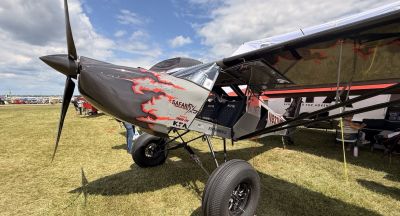
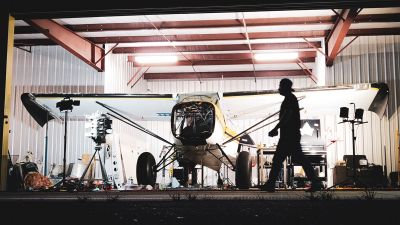
First attempt at narration so any feedback is welcomed, english is not my native language as its easy noticeable.



albravo wrote:
If I pull the power, the plane drops at a very steep angle, to the point that I wonder if I have enough energy to flare to compensate.
EZFlap wrote:albravo wrote:
If I pull the power, the plane drops at a very steep angle, to the point that I wonder if I have enough energy to flare to compensate.
This is the reason why many many aircraft have been damaged in hard landings in STOL operations. Pilot technique and expert fingertip control over power and pitch are used by expert level pilots who can make these airplanes sing and dance. BUT, this tap dancing on the edge of controlled flight carries a lot of risk with it, because gusts, "wind shadow", low altitude shear, and other environmental factors can pull the rug out from under even the best pilots' max performance landing approaches.
From a technology standpoint, the way to overcome or minimize this risk is to follow the same path that the military did with planes that have to do routine aircraft carrier "spot landings". All modern naval aircraft are equipped with enormous speed/drag brakes operated by fast response hydraulic systems. Snap the brake closed and you are almost configured for an emergency go-around.
Of course it may not be appropriate or viable for a 182 to have spoilers or a drag brake like an F-14, but this type of thing is the only method you could use to have any better precision control over a high power, minimum speed, flapped short final.

contactflying wrote:Piston engines are not the most responsive flight control, but plenty responsive to handle gusts messing with our glide angle and rate of descent. Big problem is that many pilots are taught not to use it. Unteaching reluctance to use the throttle as a control is harder than teaching pilots to use it as a control.
Users browsing this forum: No registered users and 4 guests