In an accident you may have to exit the aircraft quickly and leave your survival kit behind while escaping an impending fire or you could be trapped inside not able to reach your survival kit.
In any event you would need to be able to reach your survival kit.
I wear my survival kit in a fisherman's vest. You know. The one with all the pockets.
I bought one for about $20 years ago for flying in the back country.
I have numbered all the pockets with a permanent sharpie. Pocket #1 contains an index that tells what is in all the other pockets.
On the back, on the outside I have marked my name, blood type and emergency contact numbers.
I wear it when I'm flying in the back country or anywhere where a crash would go unnoticed. I don't have a personal locator unit since I always fly with at least one wingman who can call in my position.
John M
Survival Vest
Sat Mar 27, 2021 8:00 am
Sat Mar 27, 2021 8:22 am
Sun Mar 28, 2021 6:01 am
Re: Survival Vest
Just this weekend, I went out to start the fire pit. “This is an opportunity,” I thought, “to test the fire starting parts of my survival vest.” What a miserable failure. The lessons:
1) Everything is always wet in the woods.
2) It takes more cotton balls than I’d planned for.
3) The flint thing I have sucks.
4) It’s good to learn these lessons at home.
Starting a fire is a big deal and not easy. Yet somehow, any idiot can toss a cigarette out a car window and burn down half of a national forest.
1) Everything is always wet in the woods.
2) It takes more cotton balls than I’d planned for.
3) The flint thing I have sucks.
4) It’s good to learn these lessons at home.
Starting a fire is a big deal and not easy. Yet somehow, any idiot can toss a cigarette out a car window and burn down half of a national forest.
Sun Mar 28, 2021 9:30 am
Re: Survival Vest
StuBob wrote:Just this weekend, I went out to start the fire pit. “This is an opportunity,” I thought, “to test the fire starting parts of my survival vest.” What a miserable failure. The lessons:
1) Everything is always wet in the woods.
2) It takes more cotton balls than I’d planned for.
3) The flint thing I have sucks.
4) It’s good to learn these lessons at home.
Starting a fire is a big deal and not easy. Yet somehow, any idiot can toss a cigarette out a car window and burn down half of a national forest.
You’re absolutely right. The videos on here describe one person’s ideas of HIS preferred contents of HIS vest. His fire starting “tools”, as described in the videos, are in my opinion, woefully inadequate.
I carry four (4) completely different sources of ignition in my vest.
First, I carry “lifeboat matches”, which are treated to provide protection from moisture, AND they burn hot for many times longer than conventional matches. Find them at REI in several flavors....the bigger ones burn that much longer.
Second, like Greg, I carry a Bic lighter. Works fine in perfect conditions, but useless in wet or wind.
Third, I carry a BlastMatch, which is an all in one flint and steel, which throws off a significant spark, when properly used. The reason I carry this device is IF I have a busted hand/wrist/arm, the BlastMatch can start a fire one handed.
Finally, I carry a small butane torch. If nothing else works, that sucker will light a fire.....maybe.
I also carry fire starting aids....and not just cotton balls. Small ignition balls are available and all sorts of fire starters. Don’t want that stuff on your bid in case of a fire? If that’s a risk, you’re likely in really big trouble anyway, frankly. I’ll take the risk, it’s actually amazing to me how few light aircraft burn after accidents. It happens, of course, but when it does, you need to egress....ASAP. And, then, that survival vest MAY save your life.
BUT, first, you have to know how to start a fire properly, which takes patience and sometimes determination. And, frankly, in some conditions, it’s just not going to happen.
I was used as a Guinea pig by the Coast Guard many years ago. I was working with them on designing a “Wet weather survival course” for their air crews in Kodiak. So, they dumped a group of us off the back of a forty footer just off shore, in survival suits.
We paddled to shore in a downpour, and took our survival bags and skills out and went to work. Three teams of two each, all fairly experienced, and three days later, not one of us got a fire going.
Now, the heavy rain never let up there, and this was winter, so everything was soaking wet.
I still carry lots of ways to ignite a fire in my vest. Along with a good knife, it’s something I always carry.
And, good for you for trying this out at home! You’re right....this isn’t something you want to do the first time when the chips are down.
Same applies to other survival skills. Try them out at or close to home, where if it doesn’t work, you can go into the house or car and be safe.
I had to laugh last night, I read an article on “Airplane camping” in the EAA Sport Aviation magazine. The author said all you need is a +40 F sleeping bag. Written by a guy from Phoenix who’s likely never camped in the mountains. Last year, friends from the Midwest were coming west and going camping in Montana’s Schafer Meadows airstrip. I told them to bring AT LEAST -20F sleeping bags. They thought I was kidding, but all three used their winter weight bags there.
So, be careful what you take as gospel both in print and on the internet.
That also applies to this post, BTW.....
MTV


Sun Mar 28, 2021 1:12 pm
Re: Survival Vest
When I attended the FAA AME course at Oklahoma City, they suggested carrying Doritos not only as food but as a fire source. They lighted them up in the demonstration and they burned nicely and long enough to get a real fire started.
Sun Mar 28, 2021 7:13 pm
Re: Survival Vest
nodrama wrote:When I attended the FAA AME course at Oklahoma City, they suggested carrying Doritos not only as food but as a fire source. They lighted them up in the demonstration and they burned nicely and long enough to get a real fire started.
I'm not sure what Doritos would look like after being carried in a survival vest for a few months....

MTV
Mon Mar 29, 2021 1:05 pm
Re: Survival Vest
I think the lesson here isn't Doritos specifically, but just thinking outside the box in general. It's amazing how many flammable materials we carry around with us once you start thinking about it. I've used chap stick, potato chips, pocket lint and all sorts of things to get a fire going in a pinch while camping. I usually carry my trusty cotton balls too, but it's fun to experiment! 

Mon Mar 29, 2021 2:32 pm
Re: Survival Vest
When talking cotton balls I assume we're talking about cotton balls that have been saturated with vaseline right? While the first thing out of my pocket is a butane lighter they have a lot of limitations.
I've been lighting fires for decades and I use what is in my kit. Between the saturated cotton balls, magnesium block and the flint to make sparks I can absolutely get a fire going with damp materials. Like any good boy scout knows, you need to gather all of your materials and work on your setup so your first try is successful. Nothing saps resources and morale like a half hearted attempt followed by a fizzled out fire.
As a dad, when I travel travel with my (now grown) sons I offer up a $20 bill for the first sustainable fire. In my experience greased up cotton balls which are old enough that they aren't so sticky anymore, but more of a thick waxy feel work better than the fresh ones.
Besides the fire starting materials in my kit, I also stress the importance of using the other things in your kit too. Ever used your water purification set up? I have a gravity filter system which I use on every trip, and those stupid pills as a backup.
Ever spent a night in one of those krinkly mylar survival bags? Hint: Screw that. They're super noisy, tear easily, trap every molecule of moisture inside. I still keep one in my kit because it may come in handy (they're shiny, can be shared with someone else, used as part of a shelter, etc).
My go to "bag" is one of those orange/silver thermal bags that reminds me of the old "space blankets" from the Apollo program. I used mine to probably save my own life from heat stroke last September in Canyonlands, UT. I was barely conscious when I used it to block the intense sun while still allowing air flow between me and the bottom side of the bag. The guys I traveled with were impressed enough they planned on buying one immediately.
My other lesson from decades ago is that a sleeping bag at the stated lower temperature limit will provide you the longest night of your life.
I've been lighting fires for decades and I use what is in my kit. Between the saturated cotton balls, magnesium block and the flint to make sparks I can absolutely get a fire going with damp materials. Like any good boy scout knows, you need to gather all of your materials and work on your setup so your first try is successful. Nothing saps resources and morale like a half hearted attempt followed by a fizzled out fire.
As a dad, when I travel travel with my (now grown) sons I offer up a $20 bill for the first sustainable fire. In my experience greased up cotton balls which are old enough that they aren't so sticky anymore, but more of a thick waxy feel work better than the fresh ones.
Besides the fire starting materials in my kit, I also stress the importance of using the other things in your kit too. Ever used your water purification set up? I have a gravity filter system which I use on every trip, and those stupid pills as a backup.
Ever spent a night in one of those krinkly mylar survival bags? Hint: Screw that. They're super noisy, tear easily, trap every molecule of moisture inside. I still keep one in my kit because it may come in handy (they're shiny, can be shared with someone else, used as part of a shelter, etc).
My go to "bag" is one of those orange/silver thermal bags that reminds me of the old "space blankets" from the Apollo program. I used mine to probably save my own life from heat stroke last September in Canyonlands, UT. I was barely conscious when I used it to block the intense sun while still allowing air flow between me and the bottom side of the bag. The guys I traveled with were impressed enough they planned on buying one immediately.
My other lesson from decades ago is that a sleeping bag at the stated lower temperature limit will provide you the longest night of your life.
Mon Mar 29, 2021 5:19 pm
Re: Survival Vest
I don't spend as much time out as I used to but I still spend more time in the wilderness than most. In all my years, I have only not been able to start a fire once. I do burn stuff for part of my income, so getting fires going is not something I do infrequently, I think I'm pretty good at it.
I was elk hunting, last couple of days of August. The valley I was going to hunt had no elk, so I kept on going over a pass to the next drainage. I crested the pass at about 12,500 in the dark, as it started to rain. I got far enough down the other side to get into the scrub right at treeline. It rained all night, my bivy bag was not fully waterproof, and by morning I was pretty well soaked. There was about an inch of snow on the ground. I used up all my matches trying to get a fire started. I was using the pine needles and tiny branches from the treeline scrub, while still in my sleeping bag. I got out of the sleeping bag and tried to put on my nearly frozen pants, I couldn't do it, I got back in the sleeping bag, trying to warm up, I had no options left and finally managed to get my clothes on and load up all my stuff. I was definitely hypothermic. I pushed hard hiking to generate heat, while pushing through the willows I would get soaked by the snow and water coming off the branches. I walked out the 3 or 4 miles to a road and bummed a ride back to my car.
Ever since then, I carry a lighter or two or three, and lots more matches than I ever thought I'd need, and a magnesium block. I also bought a much better waterproof bivy bag. When all the wood is wet, you need more than a fire starter, you need something that will burn for a while until it dries out the tinder. I also now keep my hunting license and other paper in a ziplock bag for fire starter.
In an airplane, provided it did not burn or sink to the bottom, there is plenty to use for fire.
I was elk hunting, last couple of days of August. The valley I was going to hunt had no elk, so I kept on going over a pass to the next drainage. I crested the pass at about 12,500 in the dark, as it started to rain. I got far enough down the other side to get into the scrub right at treeline. It rained all night, my bivy bag was not fully waterproof, and by morning I was pretty well soaked. There was about an inch of snow on the ground. I used up all my matches trying to get a fire started. I was using the pine needles and tiny branches from the treeline scrub, while still in my sleeping bag. I got out of the sleeping bag and tried to put on my nearly frozen pants, I couldn't do it, I got back in the sleeping bag, trying to warm up, I had no options left and finally managed to get my clothes on and load up all my stuff. I was definitely hypothermic. I pushed hard hiking to generate heat, while pushing through the willows I would get soaked by the snow and water coming off the branches. I walked out the 3 or 4 miles to a road and bummed a ride back to my car.
Ever since then, I carry a lighter or two or three, and lots more matches than I ever thought I'd need, and a magnesium block. I also bought a much better waterproof bivy bag. When all the wood is wet, you need more than a fire starter, you need something that will burn for a while until it dries out the tinder. I also now keep my hunting license and other paper in a ziplock bag for fire starter.
In an airplane, provided it did not burn or sink to the bottom, there is plenty to use for fire.
- StillLearning offline

- Posts: 469
- Joined: Mon Nov 05, 2018 6:22 pm
- Location: Salmon
- Aircraft: Cessna 180 Skywagon 1953
Tue Jun 08, 2021 9:26 pm
Re: Survival Vest
"Survival kit contents check. In them you'll find:
- One forty-five caliber automatic
- Two boxes of ammunition
- Four days' concentrated emergency rations
- One drug issue containing antibiotics, morphine,
vitamin pills, pep pills, sleeping pills, tranquilizer pills
- One miniature combination Russian phrase book and Bible
- One hundred dollars in rubles
- One hundred dollars in gold
- Nine packs of chewing gum
- One issue of prophylactics
- Three lipsticks
- Three pair of nylon stockings.
Shoot, a fella' could have a pretty good weekend in Vegas with all that stuff."
- One forty-five caliber automatic
- Two boxes of ammunition
- Four days' concentrated emergency rations
- One drug issue containing antibiotics, morphine,
vitamin pills, pep pills, sleeping pills, tranquilizer pills
- One miniature combination Russian phrase book and Bible
- One hundred dollars in rubles
- One hundred dollars in gold
- Nine packs of chewing gum
- One issue of prophylactics
- Three lipsticks
- Three pair of nylon stockings.
Shoot, a fella' could have a pretty good weekend in Vegas with all that stuff."
- Oh-six-Lima offline
- Posts: 30
- Joined: Thu May 13, 2021 11:31 pm
- Location: Huntsville TX
- Aircraft: Maule M-5-210C (on 2440s)
Thu Aug 19, 2021 2:24 pm
Re: Survival Vest
StillLearning wrote:I don't spend as much time out as I used to but I still spend more time in the wilderness than most. In all my years, I have only not been able to start a fire once. I do burn stuff for part of my income, so getting fires going is not something I do infrequently, I think I'm pretty good at it.
I was elk hunting, last couple of days of August. The valley I was going to hunt had no elk, so I kept on going over a pass to the next drainage. I crested the pass at about 12,500 in the dark, as it started to rain. I got far enough down the other side to get into the scrub right at treeline. It rained all night, my bivy bag was not fully waterproof, and by morning I was pretty well soaked. There was about an inch of snow on the ground. I used up all my matches trying to get a fire started. I was using the pine needles and tiny branches from the treeline scrub, while still in my sleeping bag. I got out of the sleeping bag and tried to put on my nearly frozen pants, I couldn't do it, I got back in the sleeping bag, trying to warm up, I had no options left and finally managed to get my clothes on and load up all my stuff. I was definitely hypothermic. I pushed hard hiking to generate heat, while pushing through the willows I would get soaked by the snow and water coming off the branches. I walked out the 3 or 4 miles to a road and bummed a ride back to my car.
Ever since then, I carry a lighter or two or three, and lots more matches than I ever thought I'd need, and a magnesium block. I also bought a much better waterproof bivy bag. When all the wood is wet, you need more than a fire starter, you need something that will burn for a while until it dries out the tinder. I also now keep my hunting license and other paper in a ziplock bag for fire starter.
In an airplane, provided it did not burn or sink to the bottom, there is plenty to use for fire.
I'm with you on multiple sources of fire. I'm just starting to get into the backcountry flying scene but take this topic seriously as someone that spends more than a few days a year 'out there.' Nature has no sympathy and will exploit and weakness in the survival chain. Rather than put all of my eggs in one basket, I've taken to layers for survival similar to what Hill People Gear advocates https://www.hillpeoplegear.com/Education/Equipage. I keep a tin on my person that has a sharp, cordage, three ways to make fire, signal mirror, button compass small flashlight, a boo boo kit along with a couple of odds and ends. Whole lot fits in a jacket or cargo pant pocket. The tin itself has a foldover handle so that I can melt snow if need be. Inreach is physically clipped to me so that I don't have to think about it should a hasty egress be required.
The biggest thing I can advocate is that everyone should work on making fire on a semi-regular basis. It is a skill that should be ingrained to the point where it can be done by feel in total darkness.
Wed Sep 22, 2021 4:41 pm
Re: Survival Vest
With regards to fire starting, I wanted to share my love of fatwood. It can be shaved into a fine sawdust tinder that will take a spark rapidly. Cut into feather sticks that will light with one match. A piece the size of a shotgun shell will burn for 20 minutes or more and hot enough to start wet kindling. It's naturally waterproof and will take flame even in the worst conditions. Even if you don't carry any with you it can be found in any coniferous/ pine forest. Like many of you I carry several methods to start a fire and every kit of mine has some fatwood, typically a piece about the size of a candy bar. It also doubles as an excellent air freshener.
- JulietWhiskyandMe offline
- Posts: 3
- Joined: Wed Jun 23, 2021 4:19 pm
- Location: Deer Park
- Aircraft: Aviat Husky A-1C
Wed Sep 22, 2021 10:51 pm
Re: Survival Vest
I get to talk to Coast Guard survival trainers when they come through the store every now and then and pick their brain about survival gear. One guy was pretty adamant that the best thing to have on the coast was a tarp. He said that people expend so much energy trying to get a fire going in wet conditions that they would have been better just trying to stay dry and warm. That is something to think about, get too focused on one task and forget other solutions.
Fri Sep 24, 2021 11:25 pm
Re: Survival Vest
Make your gear fit your mission...
Pile one up in my backyard, and what kind of sleeping bag you have is not only going to have zero impact on whether you survive or not, but it's going to likely be wasted energy on planning for what fits the mission... and that's all that really matters. Same goes for how you elect to light the forest on fire.
In real estate, it's location, location. location.
In successful flying it's mission, mission, mission. (I know I am preaching to the choir Mike, as you have been there done that)
Stuff one in the dirt here, and have to spend more than three nights waiting on a ride, and I can guarantee you, how much water you can achieve will be greater than whatever is sewn on the side of your favorite sleeping arrangements or what kind of lighter you are carrying ...
My .02sense... If it's in your airplane or on your body, don't make it eye candy for bragging rights on the net, make it stuff that you've actually used (a bunch)... to the point of proficiency, and make it stuff you really need.... Not one of the airplanes that fit the bill of a backcountry boondocker haul much, so why waste valuable payload on things you'll not only never use, but stuff you'll likely choke under the pressure of having to use...
When I want to relieve stress in my cub I fly in some off the wall holes. Getting stuck here would suck on day one. by day two, I'd be hungry and pissed, and someone with anything but less than perfect health would probably perish after drinking their own piss after another day or two. And yet they would survive for months without any sleeping bag, or even a single match if everything else was ok....
stuff to think about
Take care, Rob
Pile one up in my backyard, and what kind of sleeping bag you have is not only going to have zero impact on whether you survive or not, but it's going to likely be wasted energy on planning for what fits the mission... and that's all that really matters. Same goes for how you elect to light the forest on fire.
In real estate, it's location, location. location.
In successful flying it's mission, mission, mission. (I know I am preaching to the choir Mike, as you have been there done that)
Stuff one in the dirt here, and have to spend more than three nights waiting on a ride, and I can guarantee you, how much water you can achieve will be greater than whatever is sewn on the side of your favorite sleeping arrangements or what kind of lighter you are carrying ...
My .02sense... If it's in your airplane or on your body, don't make it eye candy for bragging rights on the net, make it stuff that you've actually used (a bunch)... to the point of proficiency, and make it stuff you really need.... Not one of the airplanes that fit the bill of a backcountry boondocker haul much, so why waste valuable payload on things you'll not only never use, but stuff you'll likely choke under the pressure of having to use...
When I want to relieve stress in my cub I fly in some off the wall holes. Getting stuck here would suck on day one. by day two, I'd be hungry and pissed, and someone with anything but less than perfect health would probably perish after drinking their own piss after another day or two. And yet they would survive for months without any sleeping bag, or even a single match if everything else was ok....
stuff to think about
Take care, Rob
Sat Sep 25, 2021 6:21 am
Re: Survival Vest
Rob wrote:Make your gear fit your mission...
Pile one up in my backyard, and what kind of sleeping bag you have is not only going to have zero impact on whether you survive or not, but it's going to likely be wasted energy on planning for what fits the mission... and that's all that really matters. Same goes for how you elect to light the forest on fire.
In real estate, it's location, location. location.
In successful flying it's mission, mission, mission. (I know I am preaching to the choir Mike, as you have been there done that)
Stuff one in the dirt here, and have to spend more than three nights waiting on a ride, and I can guarantee you, how much water you can achieve will be greater than whatever is sewn on the side of your favorite sleeping arrangements or what kind of lighter you are carrying ...
My .02sense... If it's in your airplane or on your body, don't make it eye candy for bragging rights on the net, make it stuff that you've actually used (a bunch)... to the point of proficiency, and make it stuff you really need.... Not one of the airplanes that fit the bill of a backcountry boondocker haul much, so why waste valuable payload on things you'll not only never use, but stuff you'll likely choke under the pressure of having to use...
When I want to relieve stress in my cub I fly in some off the wall holes. Getting stuck here would suck on day one. by day two, I'd be hungry and pissed, and someone with anything but less than perfect health would probably perish after drinking their own piss after another day or two. And yet they would survive for months without any sleeping bag, or even a single match if everything else was ok....
stuff to think about
Take care, Rob
True Dat ^^^
MTV
Sat Sep 25, 2021 12:15 pm
Re: Survival Vest
jprax wrote:I get to talk to Coast Guard survival trainers when they come through the store every now and then and pick their brain about survival gear. One guy was pretty adamant that the best thing to have on the coast was a tarp. He said that people expend so much energy trying to get a fire going in wet conditions that they would have been better just trying to stay dry and warm. That is something to think about, get too focused on one task and forget other solutions.
What he said!
Also - agreed on what Rob said. Know your environment's demands. Obtaining water isn't typically a problem in Alaska; staying warm and dry is. There's a reason I and my family don't venture into the woods without a durable tarp/space blanket. I feel that these 5'x7' laminated ones are the best on the market for weight, durability and price. We've been using them for years for quick shelters, warming/reflection of fire heat, and ground cloths. They are very tough.
https://amzn.to/3CGGSh6
Fold up and work great within a daypack/jump pack as pad between pack contents and your back.
And 3x fire starting apparatus - one in your pocket, one in your flight vest, one in your survival kit.
And don't just carry a kit, but also know how to create a fire. It's surprising how many folks carry a bunch of stuff and have never used it, expecting the survival skillset to suddenly appear when needed. Everyone know how to baton dry starter wood from wet wood with a knife? You'd be hard pressed to get a fire going around here during the wet season without that knowledge.
Last edited by Zzz on Sat Sep 25, 2021 1:59 pm, edited 1 time in total.
Reason: Inserted affiliate link
Reason: Inserted affiliate link

Sat Sep 25, 2021 5:30 pm
Re: Survival Vest
For decades I’ve told people to take their airplane “survival kit” out in their back yard, and try a “survival exercise”. If your stuff doesn’t work, go inside, and figure out what didn’t work and why.
Then try it again, and make it work this time.
Now, consider that when this no shit happens, you may be injured, or????
THAT is how you figure out if your shit is piled in a neat little stack, or scattered all over creation.
MTV
Then try it again, and make it work this time.
Now, consider that when this no shit happens, you may be injured, or????
THAT is how you figure out if your shit is piled in a neat little stack, or scattered all over creation.
MTV
Sun Nov 07, 2021 10:28 am
Re: Survival Vest
I recently put together a variation of the Survival Vest. I went with a small chest pack. I wanted something that would ride between the shoulder harnesses with nothing under them. And I wanted it to be compact and comfortable enough that I will actually wear it all the time.
I looked at tons of dimensions and ended up getting this Umpqua ZS2 chest pack.
Stuff in it:
- InReach outside pocket. On a lanyard attached to the pack, if I need to hit the SOS while flying to the crash I don’t need to bother getting it back in the pocket.
- Cell phone other outside pocket
- Fallkniven F1 accessible from outside
- Whistle on the external retractor near InReach
- Signal mirror
- Yellow Rain poncho
- 25ft para cord
- Adventure Kit Quick Clot pack
- Small first kit in a tin
- Pain Killers
- Tourniquet
- Big hot burn waterproof matches, flint, lighter
- Compass
- Headlamp and extra batteries
- A couple energy bars
It’s out of the way and comfortable while flying. It doesn’t interfere with shoulder belts. It’s not an exhaustive kit, but keeps the most important things to be found quickly (InReach and phone) on me and gives me some tools to try and stay alive if it’s all I have.
I looked at tons of dimensions and ended up getting this Umpqua ZS2 chest pack.
Stuff in it:
- InReach outside pocket. On a lanyard attached to the pack, if I need to hit the SOS while flying to the crash I don’t need to bother getting it back in the pocket.
- Cell phone other outside pocket
- Fallkniven F1 accessible from outside
- Whistle on the external retractor near InReach
- Signal mirror
- Yellow Rain poncho
- 25ft para cord
- Adventure Kit Quick Clot pack
- Small first kit in a tin
- Pain Killers
- Tourniquet
- Big hot burn waterproof matches, flint, lighter
- Compass
- Headlamp and extra batteries
- A couple energy bars
It’s out of the way and comfortable while flying. It doesn’t interfere with shoulder belts. It’s not an exhaustive kit, but keeps the most important things to be found quickly (InReach and phone) on me and gives me some tools to try and stay alive if it’s all I have.
Last edited by Zzz on Sun Nov 07, 2021 2:11 pm, edited 2 times in total.
Reason: Add affiliate link to get some pennies for a neat idea
Reason: Add affiliate link to get some pennies for a neat idea
Wed Nov 10, 2021 4:36 pm
Re: Survival Vest
I really don’t like the fishing vest solution so may try this… Please let us know how it evolves…
Best,
Tommy
Best,
Tommy
Wed Nov 10, 2021 5:35 pm
Re: Survival Vest
Professionally I've flown in far more inhospitable and remote areas than what I'm flying in now, and we never carried any of that stuff on our person. Lifejacket with a PLB in the pocket if offshore, add a survival suit if the water was cold. These days, just a PLB and reasonable clothing. Exactly how long are you guys thinking it is going to take to get rescued? Will you actually have time to catch any fish with that hand-line?
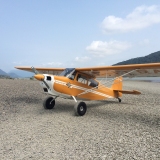
'74 7GCBC, 26" ABW, Aera 660 feeding G5 and FC-10 FF.
DISPLAY OPTIONS
Who is online
Users browsing this forum: No registered users and 0 guests
Latest Features
-
-
Featured Bush Planes
As one of the undisputed legends of bush flying, the Cessna 180 hauls a…Read More -
Aircraft Ownership and Maintenance
9 modification mistakes aircraft owners make when trying to "bush out" their birds—why some…Read More -
Live to Tell
A Minnesota pilot is surprised to learn that the sudden asymmetric drag of an…Read More




Latest Knowledge Base
-
Destinations
Canada offers some of the most spectacular backcountry flying on the continent. Here's what you need to know before you go.Read More -
Safety and Survival
Hope that you never have to use your survival vest but knowing you have it and knowing how to use…Read More -
Destinations
A regional guide with ideas for winter camping destinations in California, Nevada, New Mexico, and Arizona.Read More -
Aircraft
Finding an affordable aircraft that can handle the backcountry for $80K or less? A challenge for sure, but with the…Read More



